Why Mining Hurts Our Environment
Electric cars often carry the promise of a cleaner, greener future, but the story behind their batteries tells a more complex tale. Beneath the sleek…
By Rooks Hill Editorial4 min read
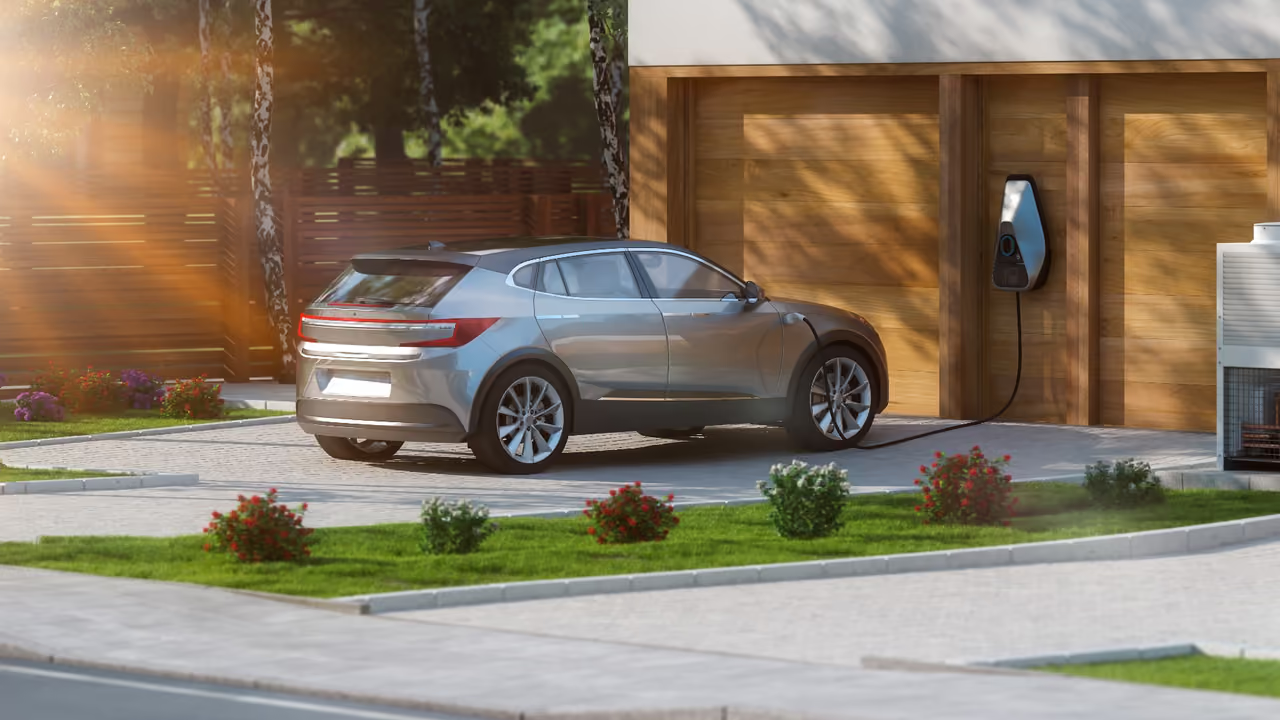
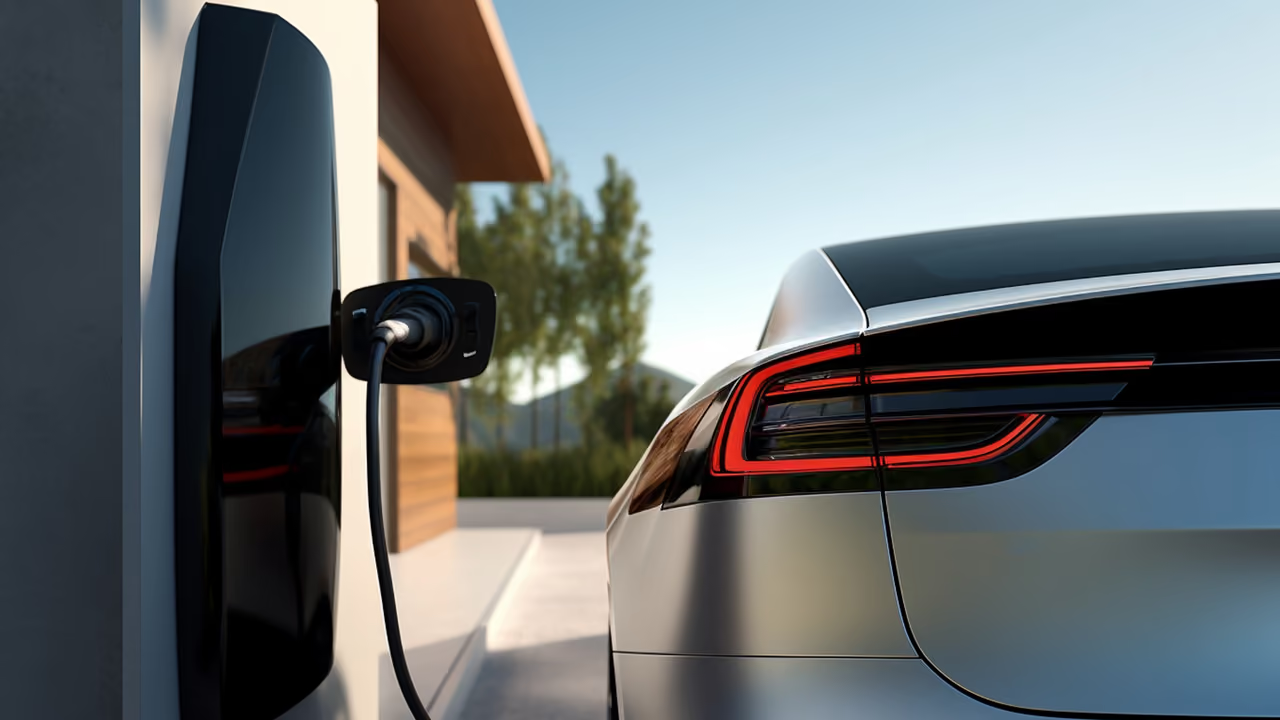
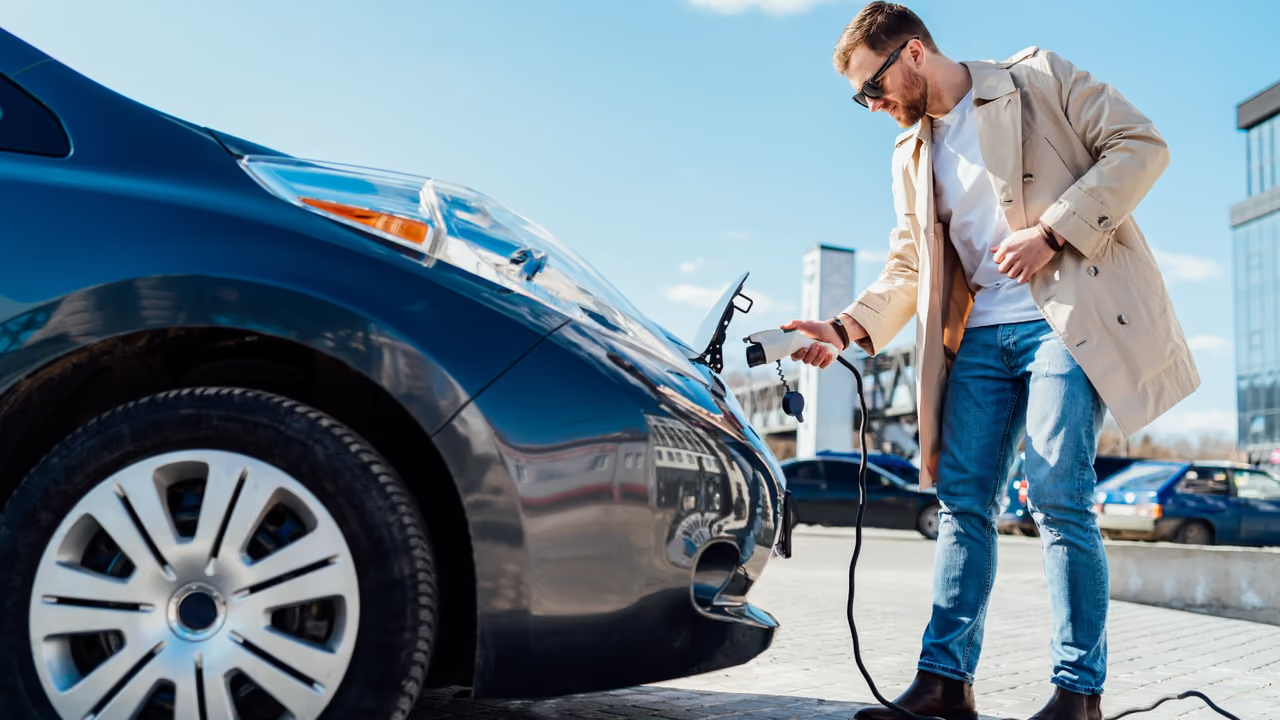
Electric cars often carry the promise of a cleaner, greener future, but the story behind their batteries tells a more complex tale. Beneath the sleek exteriors and quiet rides lies a process full of environmental challenges, from raw material extraction to battery disposal. Knowing these hidden costs matters if electric vehicles (EVs) are truly to lead the way toward sustainable transportation.
The Environmental Impact of Mining Raw Materials
At the heart of every electric car battery is a mix of metals—lithium, cobalt, nickel, and manganese—that must be mined from the Earth. Mining these materials is far from harmless. Lithium extraction mainly happens in South America’s “Lithium Triangle,” where huge salt flats are drained to get lithium-rich brine. This uses massive amounts of water, putting pressure on fragile ecosystems and local communities already struggling with water shortages.
Cobalt mining paints an even darker picture. Much of the world’s cobalt comes from the Democratic Republic of Congo, where mining has been linked to serious human rights abuses and child labor. Environmentally, cobalt mining damages land, pollutes water, and releases toxic substances into nearby areas.
Nickel mining, another key source for EV batteries, often uses open-pit methods that scar landscapes and create large amounts of waste. The damage caused by these activities challenges the idea of EVs as purely clean technology right from the start.
Environmental and Social Trade-offs
- Water depletion Lithium extraction in dry regions can reduce water for farming and local people.
- Habitat destruction Mining often clears large land areas, threatening plants and animals.
- Pollution Toxic runoff from mines contaminates soil and water, harming humans and wildlife.
- Ethical concerns Child labor and poor working conditions in cobalt mining show the social cost behind batteries.
Battery Manufacturing and Energy Use
The environmental toll does not stop at mining. Making lithium-ion batteries uses a lot of energy. Producing one battery pack can emit hundreds of kilograms of CO2, depending on the energy source of the factory’s country. Factories powered by coal plants increase emissions, cutting into the carbon savings electric cars offer while driving.
Battery production also needs complex chemical processing and strict quality control, both requiring large amounts of energy and resources. The global push to increase EV production risks raising electricity demand, which, if not from renewables, could strain power grids and boost greenhouse gases.
Energy Footprint of Battery Production
- Refining raw materials uses high heat processes.
- Cell manufacturing needs clean rooms and controlled environments with constant energy use.
- Battery assembly includes testing and quality checks, adding to energy use.
Manufacturers know these challenges. Some invest in cleaner energy and more efficient methods, but current demand still causes a large environmental footprint.
Recycling and Second-Life Uses for Batteries
EV batteries have a limited life, raising urgent questions about waste and resource use. When a battery’s capacity falls below what cars need, it may still work in less demanding roles. “Second-life” uses include stationary energy storage for homes or helping the power grid.
But the systems for battery recycling and second-life use are still growing. Recycling lithium-ion batteries is hard and costly. Recovering lithium, cobalt, and nickel is not yet efficient at scale. Current recycling often recovers only some materials, and poor recycling can create hazardous waste.
Still, governments and companies are starting rules and projects to boost recycling rates and build markets for second-life batteries. This could cut demand for new raw materials and reduce environmental harm.
Challenges and Opportunities in Battery Recycling
- Technical hurdles Complex battery types need advanced recycling methods.
- Economic viability Recycling costs can be higher than profits without help or rules.
- Infrastructure gaps Collection and recycling centers are few, especially outside big markets.
- Second-life potential Using batteries longer in stationary roles delays recycling and eases resource pressure.
Innovations and Future Prospects for Sustainable Electric Vehicles
The problems with battery production have sparked new ideas to cut environmental harm. Researchers are testing battery types that use less cobalt and nickel, like lithium iron phosphate (LFP) batteries, which are safer and have fewer supply risks.
Solid-state batteries promise higher energy and may have smaller environmental footprints by using safer, more common materials. Advances in direct lithium extraction could also cut water use and damage in lithium mining.
On the circular economy side, companies are creating better recycling methods, such as hydrometallurgical and direct recycling, which could recover more materials with less pollution. Better battery designs that are easier to take apart may also change how EV batteries are handled over their lifetime.
Policy is playing a role too. Tougher rules on battery sourcing, emissions, and recycling are pushing the industry toward greener practices. Electric cars, combined with renewable energy for charging and cleaner battery making, might finally live up to their promise as truly sustainable transport.