Can EVs Redefine Suburban Living and Work?
It’s hard to ignore the quiet revolution on the roads. Electric cars, once a niche curiosity, are now reshaping how people think about driving and car…
By Rooks Hill Editorial3 min read
It’s hard to ignore the quiet revolution on the roads. Electric cars, once a niche curiosity, are now reshaping how people think about driving and car ownership. Beyond the obvious environmental benefits, these vehicles are influencing daily routines, energy habits, and even community values. The changes go deeper than just swapping gas for electrons.
Reduction in Routine Maintenance and Its Impact on Car Ownership
One of the most immediate shifts electric vehicle (EV) owners notice is how much less time and money they spend on maintenance. Without an internal combustion engine, many traditional repair points disappear. No oil changes, no spark plugs, no timing belts. The fewer moving parts mean fewer things that can break down.
This simplicity changes the relationship drivers have with their cars. The dread of unexpected repair bills fades, replaced by a more predictable upkeep routine. Tires, brakes, and windshield wipers remain, but brakes last longer thanks to regenerative braking systems common in EVs.
The result? People feel less burdened by owning a car. This reduced maintenance hassle can make car ownership more appealing, especially for those who previously avoided it due to repair anxiety or costs. It also encourages longer ownership periods, as EVs tend to hold up well mechanically over time.
Changing Patterns of Daily Commuting with Increased Range Capacities
Early EVs sparked anxiety about range—would you make it to work or run out of power halfway? But with advances in battery technology, many new models can comfortably cover 200 to 300 miles on a single charge. This leap has transformed commuting habits.
Longer range means more flexibility. Drivers feel less pressure to plan every trip meticulously around charging stations. This freedom encourages some to take routes they might have avoided, explore new areas, or even consider longer-distance jobs without the stress of fuel stops.
For many, this has led to a rethinking of where they live and work. The increased confidence in EV range supports suburban or even rural living while maintaining access to urban jobs. It also encourages carpooling and ride-sharing within EV communities, as range anxiety diminishes.
The Role of Home Charging in Shaping Household Energy Consumption
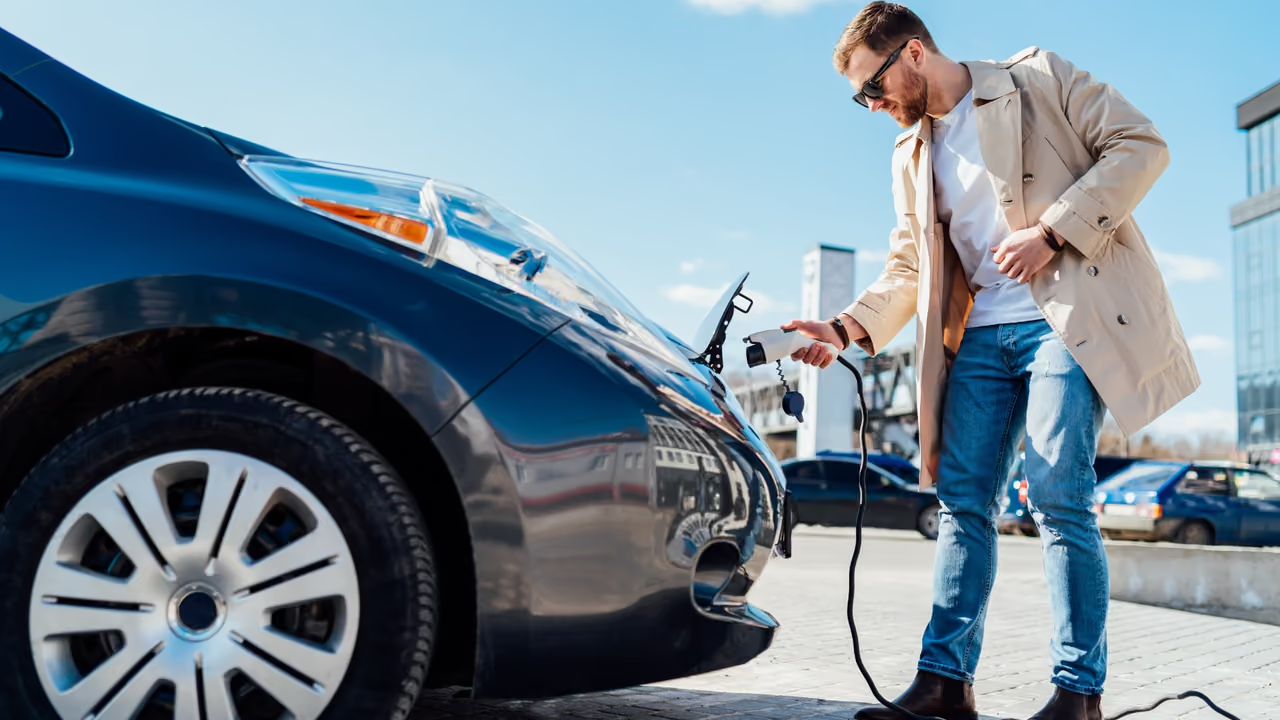
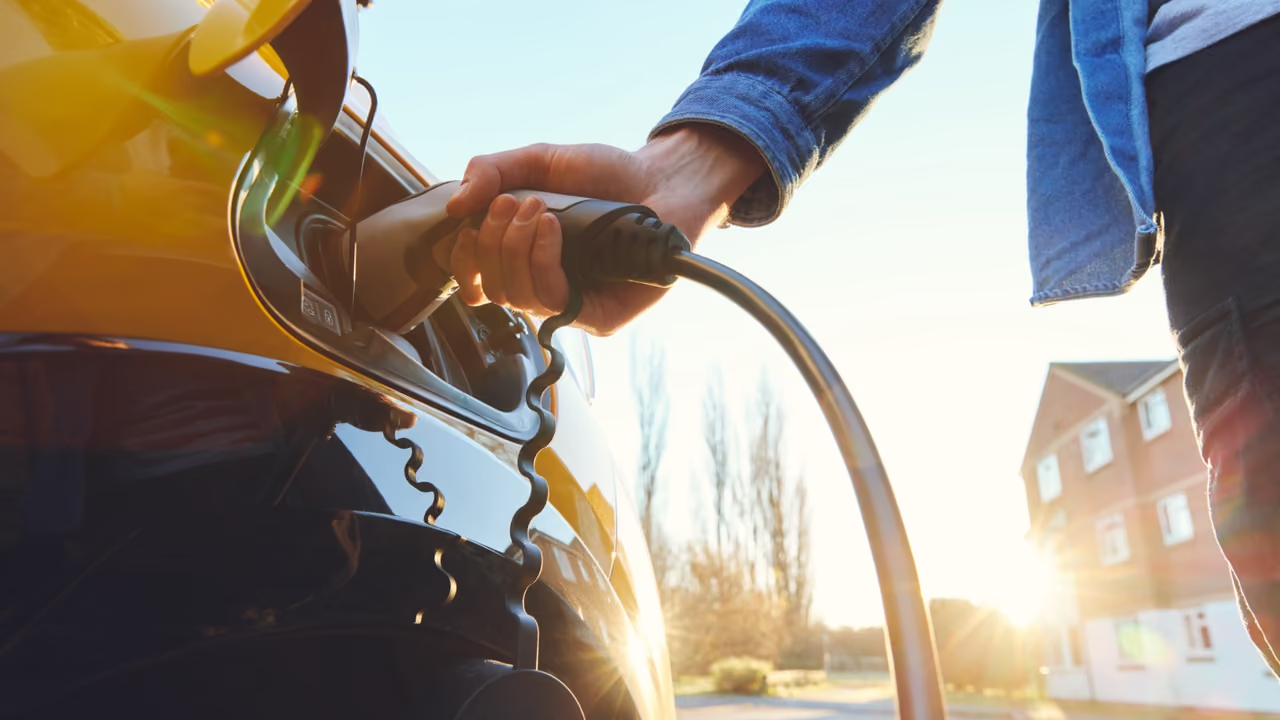
Charging an EV at home introduces a new dynamic to household energy use. Suddenly, a home’s electricity consumption spikes, especially overnight when many owners plug in. This shift prompts people to become more aware of their overall energy habits.
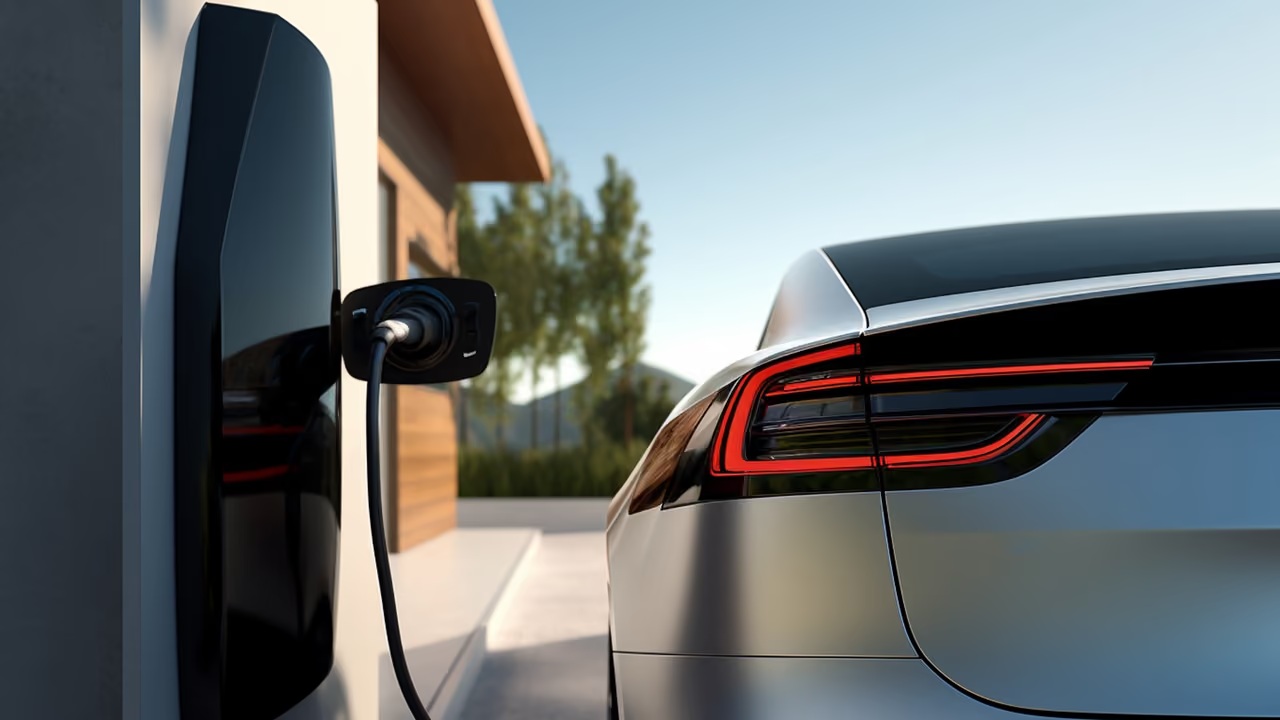
Some households invest in solar panels or home energy storage systems to offset this increase, aiming to keep their electricity use sustainable and cost-effective. Smart chargers that schedule charging during off-peak hours help reduce strain on the grid and lower energy bills.
This integration of car and home energy systems changes how families think about consumption. It’s no longer just about the car or the house separately—it’s a combined ecosystem. This can lead to broader lifestyle adjustments, like prioritizing energy efficiency in other areas or adopting more conscious consumption habits.
How EV Ownership Influences Environmental Awareness and Community Engagement
Owning an electric car often goes hand in hand with heightened environmental awareness. Many EV drivers find themselves more attuned to issues like air quality, fossil fuel dependence, and climate change. Driving an EV can feel like a personal statement or commitment to sustainability.
This awareness frequently spills over into other parts of life. EV owners might advocate for cleaner public transportation, participate in local environmental groups, or engage in community discussions about sustainable development.
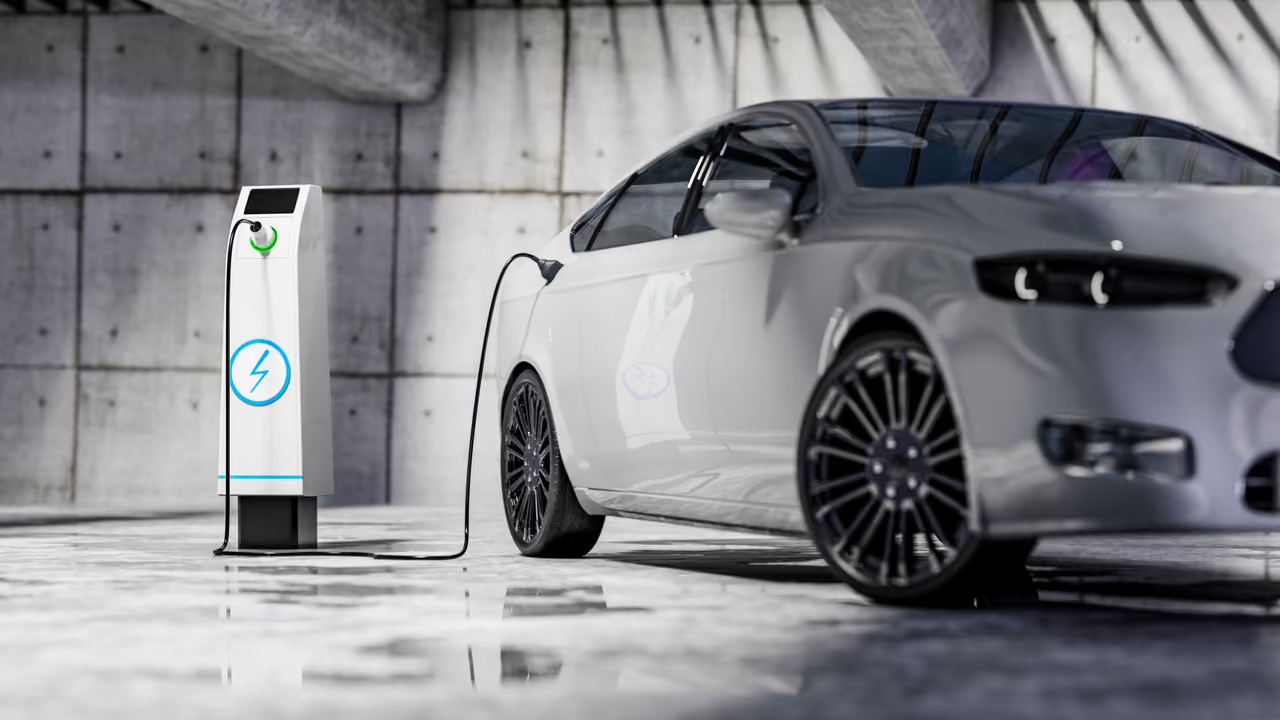
Communities with higher EV adoption rates sometimes see new social dynamics emerge. Charging stations become informal gathering spots, sparking conversations and connections among neighbors. Local governments may respond with green initiatives, improving infrastructure and promoting renewable energy projects.
In essence, electric cars are doing more than just changing how we drive. They’re quietly shifting how we live, think, and interact with our environment and each other.