Electric Cars Shape Future City Mobility
How Electric Cars Are Redefining Urban Planning and Infrastructure Development Walk through any major city today, and you’ll notice subtle shifts in the urban…
By Rooks Hill Editorial4 min read
How Electric Cars Are Redefining Urban Planning and Infrastructure Development
Walk through any major city today, and you’ll notice subtle shifts in the urban landscape. Sleek electric vehicles (EVs) share the roads with traditional cars, but more telling are the new structures and systems emerging to support them. The rise of electric cars is no longer just a story of cleaner transportation; it’s reshaping how cities think about their very design and infrastructure.
Integrating EV Charging Stations into Cityscapes
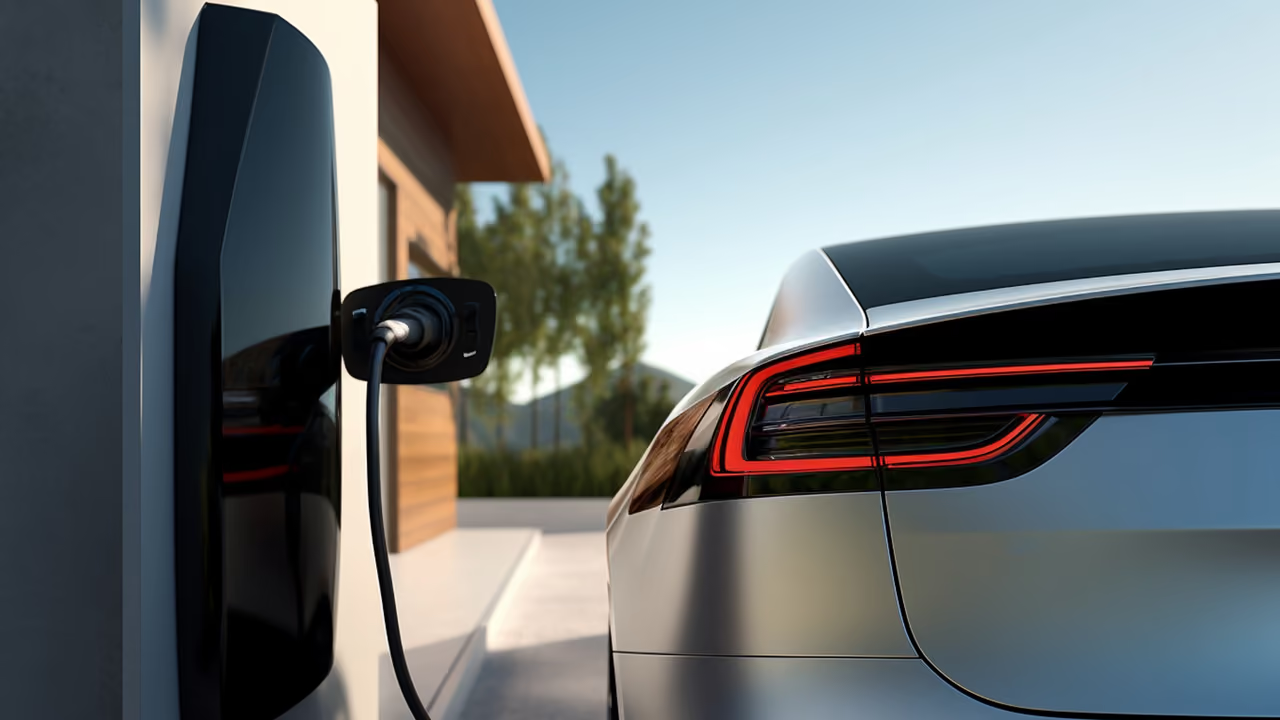
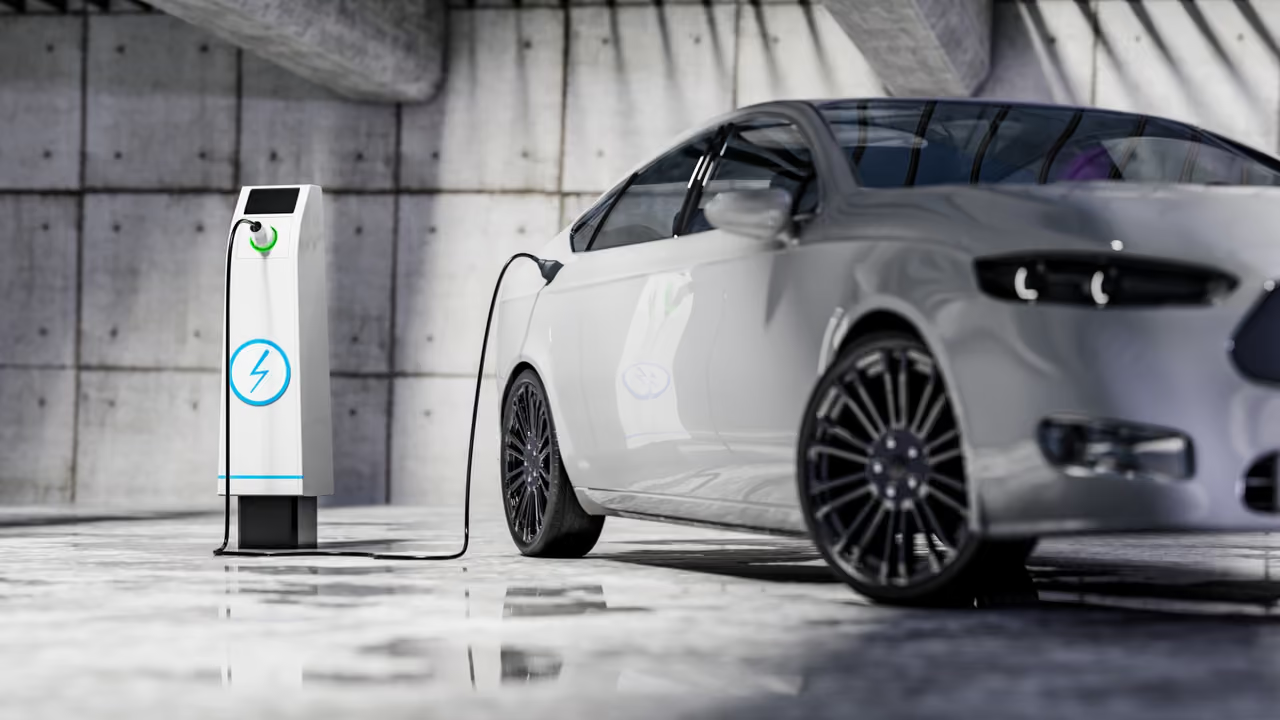
One of the most visible changes prompted by electric vehicles is the proliferation of charging stations. Unlike gas pumps, which have long been a familiar fixture, EV chargers require a different approach to placement and integration. Urban planners face the challenge of embedding these stations seamlessly into existing environments without sacrificing aesthetics or convenience.
Charging infrastructure isn’t just about quantity; it’s about smart placement. Residential neighborhoods, commercial hubs, parking garages, and public spaces are all becoming sites for charging points. Many cities are experimenting with curbside chargers, effectively turning what used to be parking spots into mini fuel stations for the electric age. This shift demands new zoning laws and coordination between municipalities, utility providers, and private companies.
Moreover, the design of charging stations is evolving. Gone are the bulky, industrial-looking units. Instead, cities are encouraging sleek, unobtrusive designs that blend with street furniture or even incorporate artistic elements. This approach reflects a broader commitment to making EV adoption not just functional but also a positive urban experience.
Impact on Public Transportation and Mobility Patterns
The rise of electric cars is influencing more than just personal vehicle use; it’s altering public transportation and mobility habits as well. Electric buses and shared EV fleets are becoming staples in many cities, reducing emissions and noise pollution. This development pushes planners to rethink transit routes, stops, and infrastructure to accommodate new vehicle types and charging needs.
EVs also encourage a shift in how people move around cities. With the convenience of electric scooters, bikes, and car-sharing programs, urban dwellers are less reliant on owning a personal vehicle. This shift has prompted cities to redesign streetscapes, expanding pedestrian zones and bike lanes, and reducing parking spaces in favor of multi-modal transit hubs.
Interestingly, the availability of EV charging can influence travel behavior. Drivers with easy access to charging points might opt for longer trips or choose electric car-sharing options over traditional taxis, subtly changing traffic flows and congestion patterns. Urban planners must anticipate these new mobility rhythms to ensure efficient and sustainable city operations.
Adapting Power Grids for Widespread EV Adoption
Electric vehicles draw power from the grid, and as their numbers grow, so does the strain on urban electrical infrastructure. The existing power grid in many cities was not designed to handle the sudden increase in electricity demand that comes with mass EV adoption. This reality forces utilities and city planners to collaborate closely to upgrade and modernize grid systems.
Smart grid technology is at the forefront of this adaptation. These systems can balance supply and demand dynamically, optimizing when and how EVs are charged to prevent overloads during peak hours. Vehicle-to-grid (V2G) technology, which allows EVs to feed electricity back into the grid, is gaining attention as a potential solution for managing fluctuations and storing renewable energy.
Renewable energy integration also plays a critical role. Cities aiming for sustainability are investing in solar, wind, and other green sources to power EV charging stations. This approach not only reduces the carbon footprint of electric vehicles but also lessens the burden on traditional power plants during peak charging times.
Future-Proofing Cities for an Electric Vehicle-Dominated Era
Looking ahead, the challenge for urban planners is ensuring that cities remain adaptable and resilient as EV technology evolves. This means building infrastructure with flexibility in mind. For example, modular charging stations that can be upgraded or relocated easily, and road designs that accommodate autonomous electric vehicles, which many experts predict will dominate in the coming decades.
Urban development projects now often include EV readiness as a core requirement. New buildings incorporate charging capabilities in parking areas, and public projects allocate space for future expansion of EV infrastructure. This proactive approach prevents costly retrofits and supports smoother transitions as EV adoption accelerates.
Furthermore, data-driven planning is becoming essential. By analyzing traffic patterns, charging habits, and energy consumption, cities can better predict where to invest in infrastructure. Open data initiatives and collaborations with tech companies are creating smarter, more responsive urban environments tailored to the needs of electric vehicle users.
In many ways, electric cars are the catalyst for a broader reimagining of urban life. They compel cities to rethink not only transportation but also energy, space, and technology integration. The road ahead will require bold decisions and creative problem-solving, but the payoff could be cities that are cleaner, quieter, and more efficient places to live.