Five Challenges Facing EV Repair Shops
What happens to the auto repair industry when the engine under the hood is replaced by a complex network of software and batteries? Electric cars are no…
By Rooks Hill Editorial3 min read
What happens to the auto repair industry when the engine under the hood is replaced by a complex network of software and batteries? Electric cars are no longer a niche market; they are rapidly reshaping how vehicles are maintained and repaired. This shift is forcing traditional mechanics to rethink their skills and business models.
The Shift From Mechanical to Software-Driven Repairs
Electric vehicles (EVs) operate on fundamentally different principles than their gasoline-powered counterparts. Instead of hundreds of moving parts in a combustion engine, EVs rely on electric motors, battery packs, and sophisticated software systems. This means that many of the traditional mechanical problems that once dominated repair shops are becoming less common.
Most issues in EVs today stem from software glitches, battery management systems, or electronic control units. Diagnosing these problems often requires specialized diagnostic tools and software updates rather than a wrench and screwdriver. This software-centric approach means that repairs increasingly involve coding and recalibrating rather than replacing physical components.
Challenges Faced by Traditional Auto Repair Shops
For decades, auto repair shops thrived on their expertise in mechanical systems—rebuilding engines, fixing transmissions, and tuning carburetors. The rise of EVs threatens to render many of these skills obsolete. Traditional shops face several challenges:
- Equipment Investment: Repairing EVs requires expensive diagnostic tools licensed by automakers. Independent shops must decide whether to invest heavily in this technology or risk losing EV customers.
- Skill Gap: Mechanics trained in internal combustion engines may lack the knowledge to handle high-voltage electrical systems or software diagnostics safely.
- Manufacturer Restrictions: Some EV manufacturers control access to repair manuals and software updates, limiting what independent shops can do.
- Safety Concerns: High-voltage batteries pose new risks for untrained technicians, necessitating specialized training and strict safety protocols.
These challenges force many shops to either specialize in traditional vehicles or invest heavily to stay relevant in the new landscape.
Opportunities for Specialization in EV Maintenance
While EVs present hurdles, they also open doors for new business opportunities. The shift to electric creates niches for shops willing to adapt and specialize. Some promising areas include:
- Battery Health Diagnostics and Repair – Batteries degrade over time and can sometimes be repaired or recalibrated rather than replaced entirely, offering a lucrative service.
- Software Updates and Cybersecurity – As EVs rely heavily on software, keeping systems updated and secure is critical. Shops offering these services can become trusted partners for EV owners.
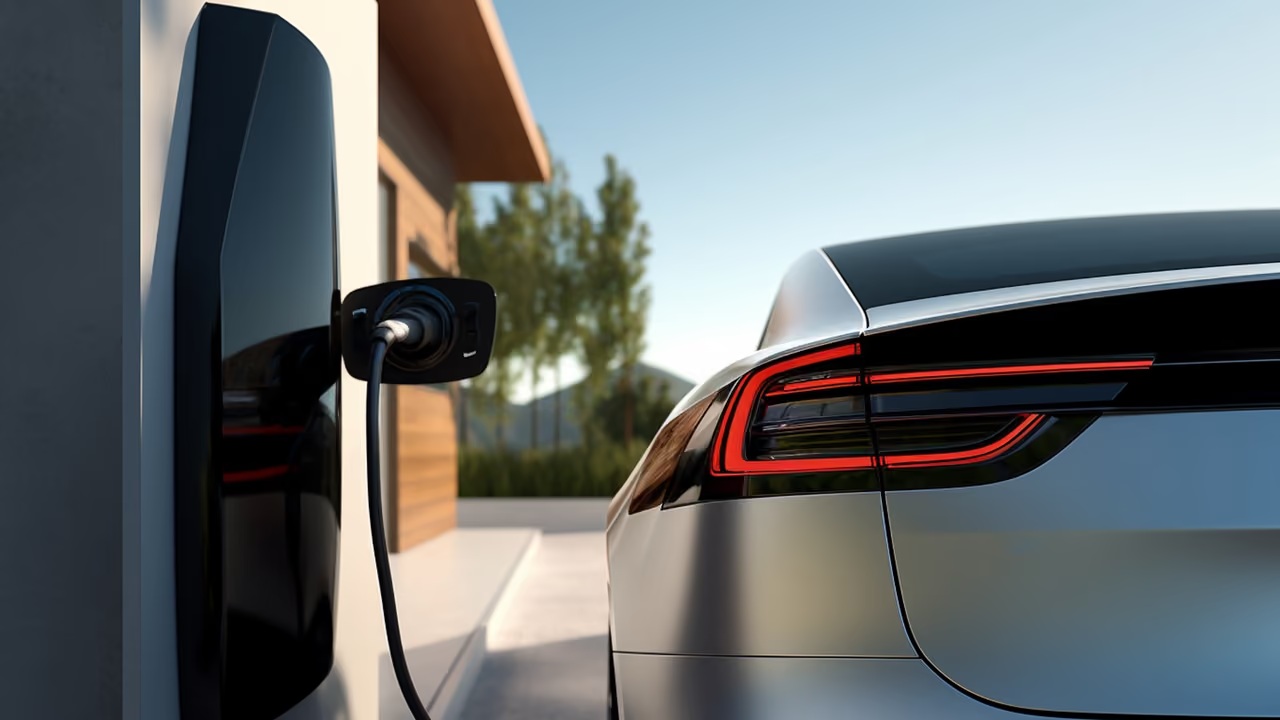
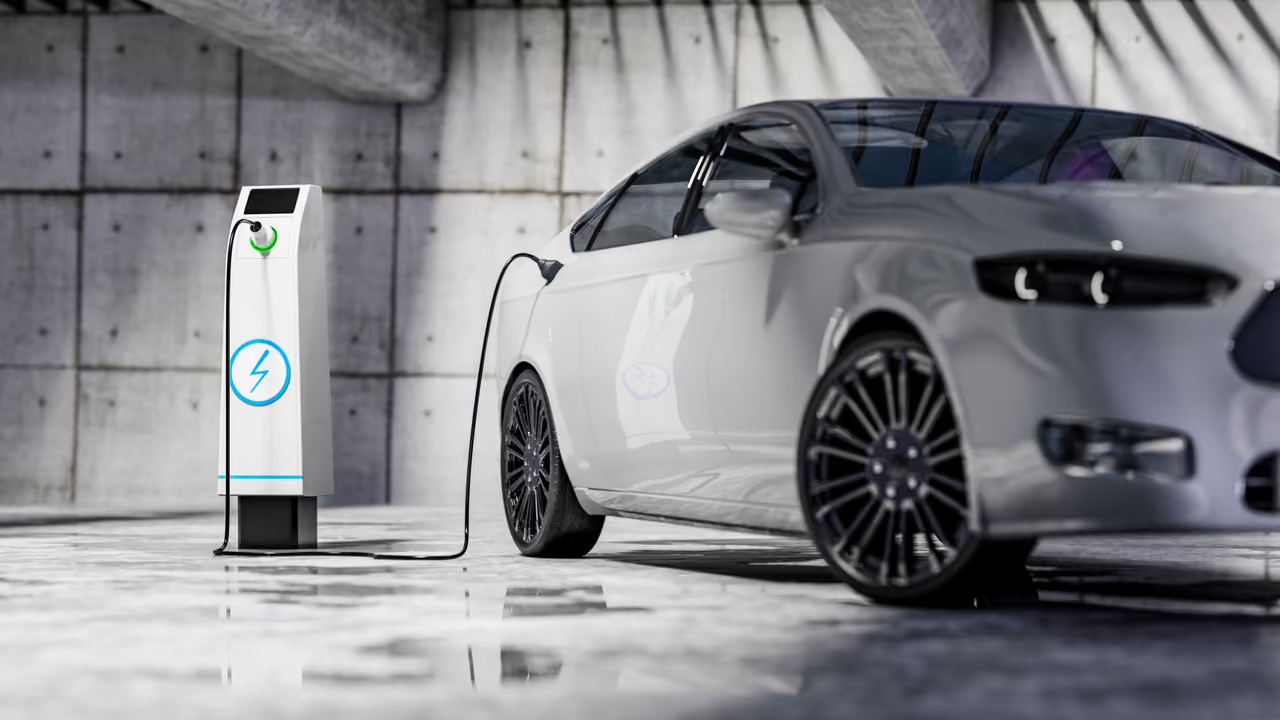
- Charging Equipment Installation and Maintenance – Installing home or commercial charging stations requires electrical expertise, an area many auto shops can expand into.
- Specialized Tire and Brake Services – EVs have unique wear patterns due to instant torque and regenerative braking, creating demand for specialized maintenance.
Mechanics who embrace ongoing education and certification in EV technologies will find themselves at the forefront of this new era.
The Future Outlook for the Auto Repair Industry in an Electrified World
The auto repair landscape is evolving quickly. As electric vehicles become the norm, repair shops will need to transform from traditional garages into tech-forward service centers. Expect partnerships between automakers and independent shops to increase, with shared access to software platforms and diagnostic tools becoming more common.
Moreover, the rise of over-the-air updates means many issues might be fixed remotely, reducing the need for some types of in-person repairs. Shops will need to focus on services that cannot be automated, like battery replacements, collision repairs, and hardware upgrades.
In the long run, the repair industry may become more specialized and segmented, with some shops focusing on EVs exclusively and others catering to classic and hybrid vehicles. The key for survival is adaptation: those who can navigate the blend of mechanical skill and digital expertise will dominate the repair bays of the future.