Smart Grids Transform EV Charging Today
How will electric vehicle charging change when paired with smart grid technology? As more people switch to EVs worldwide, the need for smart, efficient…
By Rooks Hill Editorial4 min read
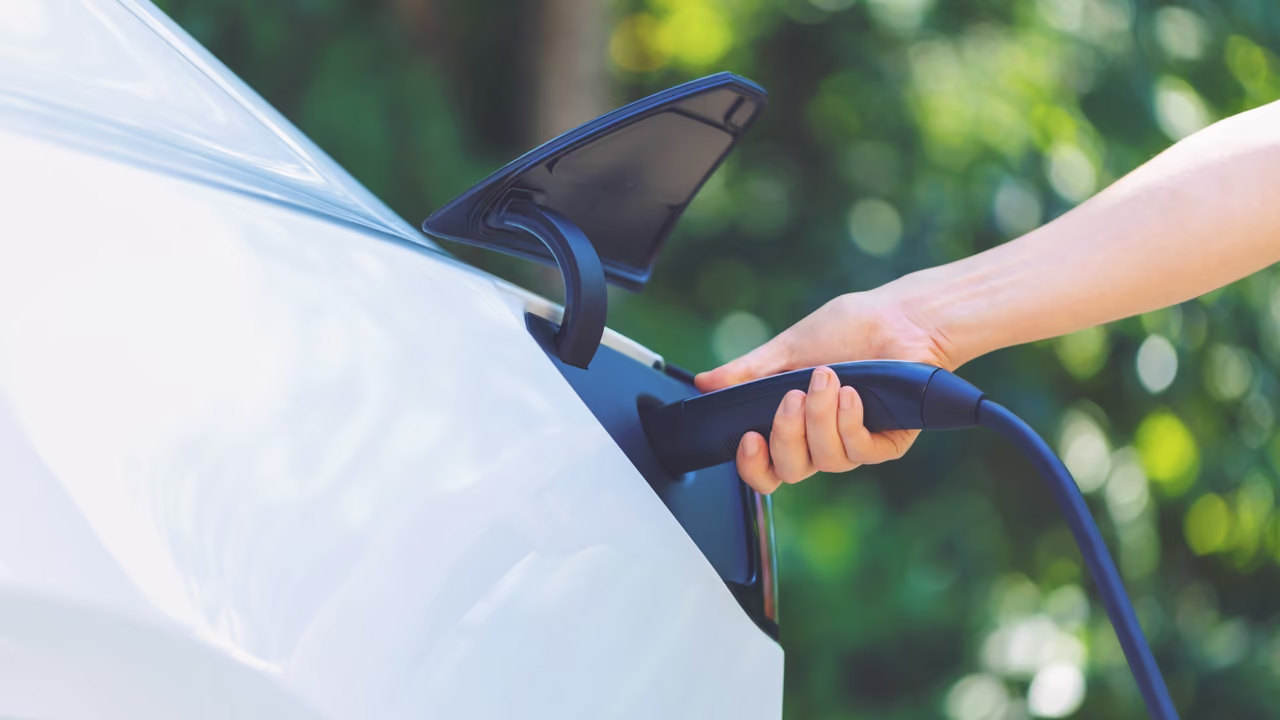
How will electric vehicle charging change when paired with smart grid technology? As more people switch to EVs worldwide, the need for smart, efficient charging grows fast. Connecting EV charging to smart grids does more than manage energy better. It changes how drivers and utilities work with the power system.
What is smart grid technology and how does it affect EV charging
A smart grid is an electricity network upgraded with digital communication tools. This lets utilities and consumers talk to each other in real time. The grid can monitor energy use and adjust flows automatically. When EV chargers plug into smart grids, they stop being just energy users. They become active parts of the energy system.
Instead of charging cars whenever, smart grids control when and how much power an EV takes. This helps balance the load and stops the grid from getting overloaded, especially during busy times. Smart grids also work better with renewable energy. They can tell EVs to charge when solar or wind power is strong and cheap.
How smart grid EV charging helps drivers and utilities
For drivers, smart grid chargers cut costs and add convenience. Time-of-use pricing means charging during off-peak hours costs less, lowering bills. Some chargers let EVs send power back to the grid when demand is high. This vehicle-to-grid (V2G) feature turns parked cars into mobile batteries that help the grid.
For utilities, smart grid EV charging makes the grid more stable and flexible. Shifting charging times smooths out demand spikes, reducing the need to build expensive new power lines or plants. It also helps bring more renewable energy online, cutting carbon emissions. Utilities get better data on when and where power is used, which helps them plan and maintain the grid more efficiently.
Challenges and ways to solve them
Smart grid EV charging sounds great, but it comes with challenges. One big hurdle is the cost. Installing smart meters, communication gear, and smart chargers is expensive. Many drivers hesitate to pay upfront without clear benefits or support.
Security is another concern. Connected chargers create new points for hackers to attack. This could disrupt the grid or steal user data. Strong encryption and security rules are needed to keep systems safe.
Compatibility also causes problems. Different EVs, chargers, and grid systems often don’t talk to each other well. Without shared standards, it’s hard to scale smart charging nationwide.
Solutions are on the way. Governments and utilities offer subsidies and pilot projects to lower costs. Security frameworks designed for smart grids are being built. Industry groups push for open standards like OCPP (Open Charge Point Protocol) to make devices work together smoothly.
Cities leading the way with smart grid EV charging
- Amsterdam, Netherlands: Amsterdam has rolled out thousands of smart chargers linked to its grid. The system focuses on using renewable energy and managing demand. It sends alerts to EV owners about the best times to charge based on solar forecasts and grid load.
- Los Angeles, USA: LA’s program includes vehicle-to-grid tests that let EVs feed energy back to the grid during peak hours. The city also offers incentives to encourage charging at night or other off-peak times. This helps ease stress on its aging power network.
- Oslo, Norway: Oslo uses smart charging to get the most from its hydroelectric power. The city shares real-time data between grid operators, chargers, and drivers. This coordination optimizes energy use and cuts emissions.
Digging deeper into Amsterdam’s approach
Amsterdam’s smart charging network is tied closely to its renewable energy goals. The city’s system uses weather data to predict solar power availability. When the sun is shining, EV owners get notifications to plug in and charge cheaply. This not only saves money but also reduces reliance on fossil fuels. The city also integrates demand response programs that lower charging speeds during peak grid times, preventing overloads without inconveniencing drivers.
Los Angeles and vehicle-to-grid in action
LA’s V2G trials show how EVs can become energy suppliers. During hot summer afternoons, when air conditioning drives up electricity use, EVs plugged into smart chargers can send stored power back to the grid. This helps prevent blackouts and reduces the need for backup generators. The city pairs this with rebates for EV owners who charge at night, smoothing demand and protecting the grid.
Oslo’s real-time data sharing model
Oslo’s success comes from tight integration between all players. Grid operators monitor hydroelectric output and communicate with charging stations. EV owners receive live updates on when to charge or discharge their batteries. This system balances energy flows dynamically, maximizing renewable use and cutting emissions. The city’s approach shows how data transparency can make smart grid EV charging work well for everyone.