The Rise of New Players in the White Label Vehicle Charging Industry
In recent years, a number of major car brands have made significant investments in electric vehicles (EVs) as they look to capitalize on the growing demand…
By Rooks Hill Editorial4 min read
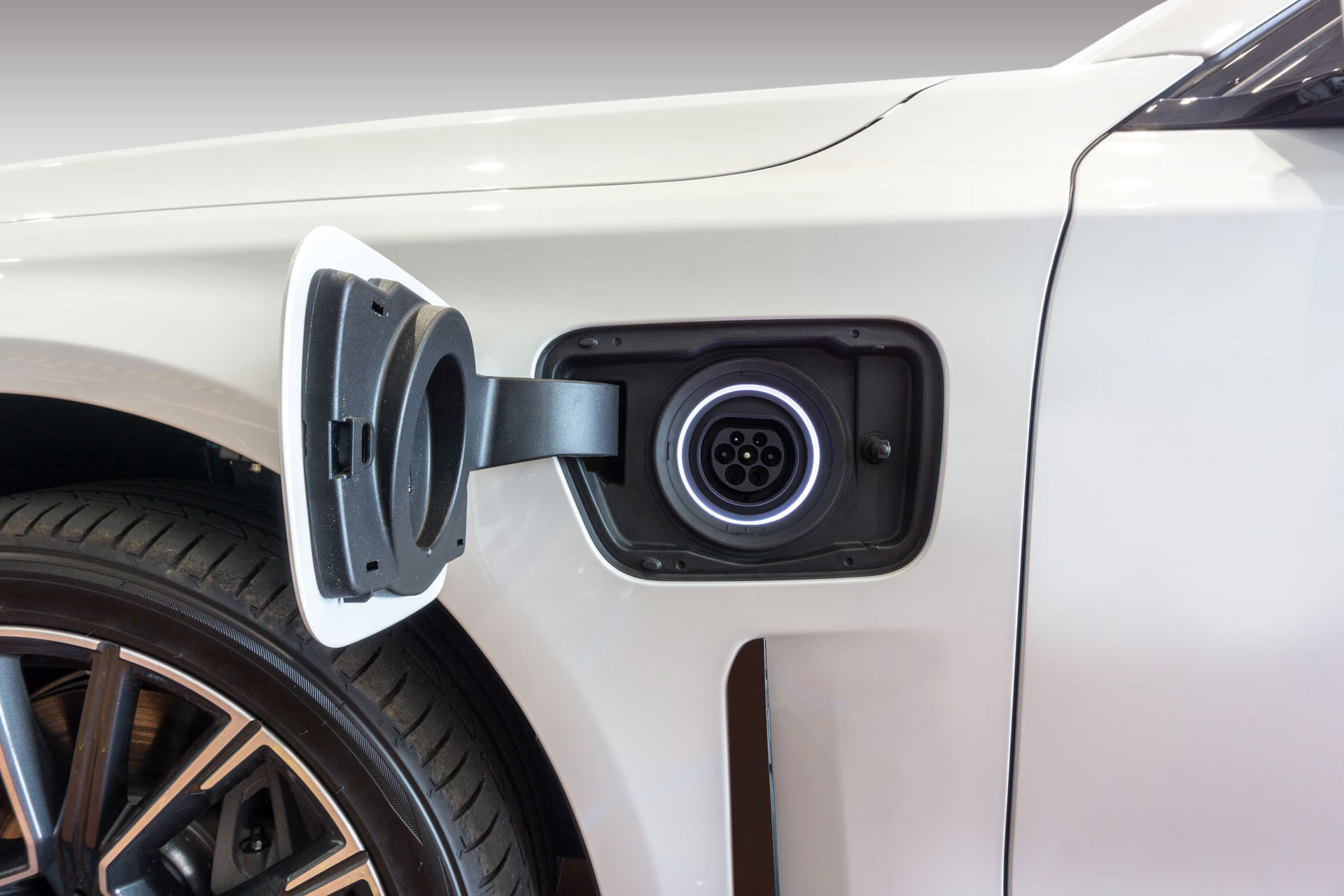
In recent years, a number of major car brands have made significant investments in electric vehicles (EVs) as they look to capitalize on the growing demand for sustainable transport options. Companies like Tesla, Nissan, and BMW have led the way in this regard, but other players like Ford, Volkswagen, and General Motors have also made significant strides in the EV market.
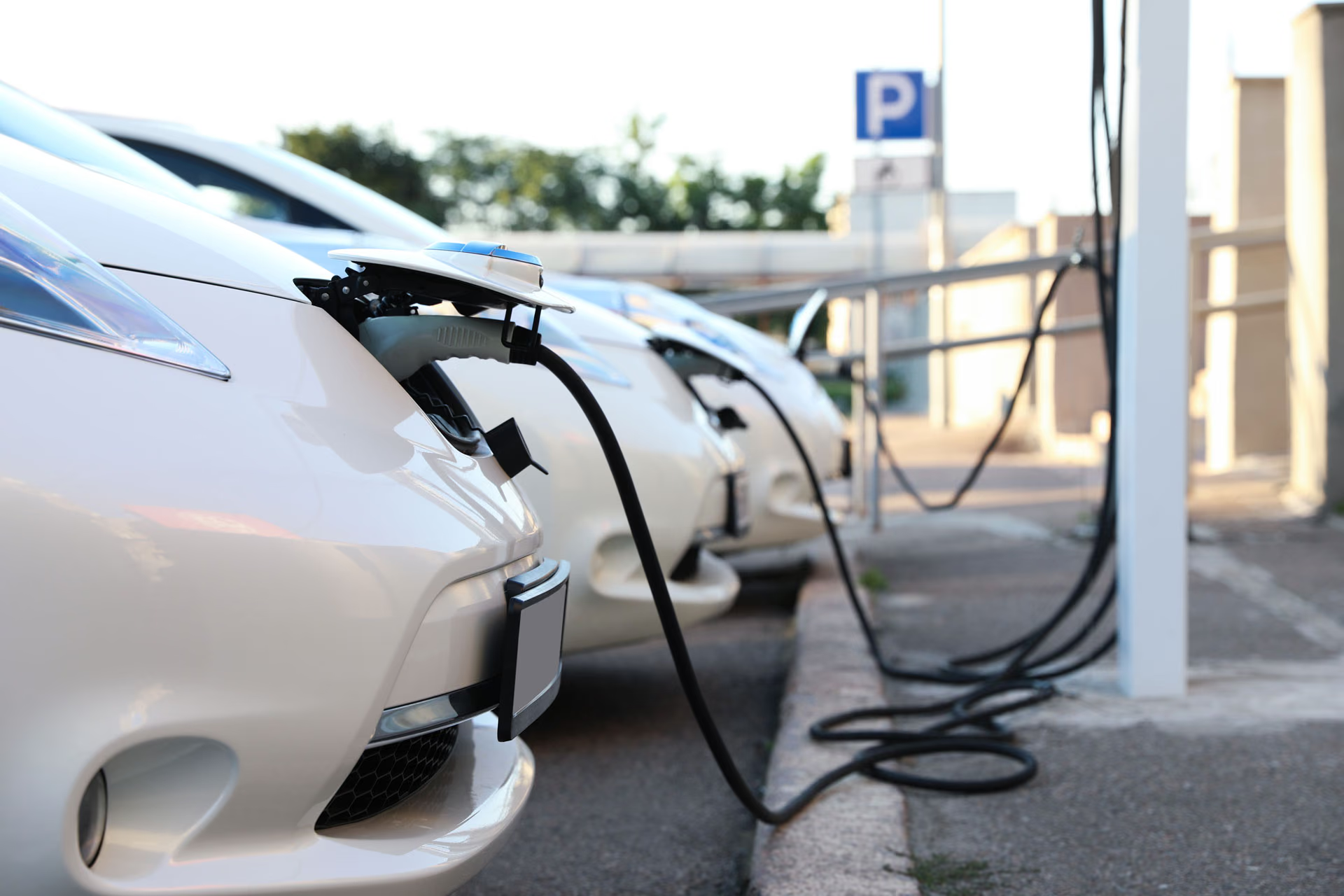
However, for electric car sales to truly take off, there are a number of key requirements that need to be met. One of the most important is the need for a robust charging infrastructure that makes it easy for EV drivers to recharge their vehicles on the go.
Currently, the availability of charging stations remains a major bottleneck for the wider adoption of electric cars. While there has been significant progress in recent years, there are still major gaps in the charging network that need to be filled. This is particularly true in rural areas and other parts of the world where charging infrastructure is still in its infancy.
In addition to charging infrastructure, there are other key factors that will be critical in driving EV adoption. These include the cost and performance of EVs relative to traditional gasoline-powered cars, as well as the availability of government incentives and other policies that support the transition to electric transportation.
Despite these challenges, the long-term outlook for the EV market remains positive. As car companies continue to invest in electric vehicles and charging infrastructure, and as governments around the world put in place policies to encourage EV adoption, it seems likely that electric cars will play an increasingly important role in the future of transportation.
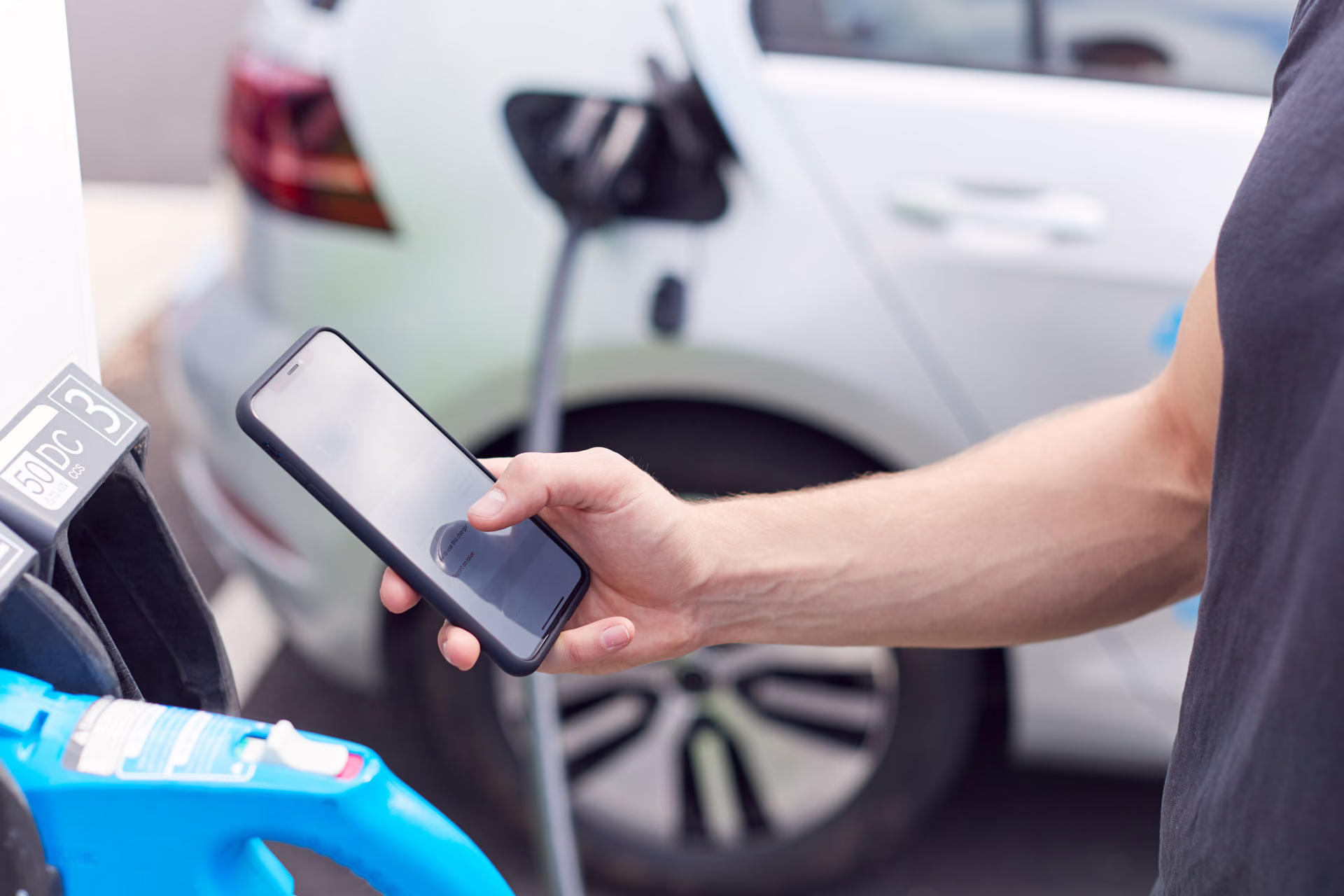
The charging boxes used for commercial charging are different from those used for home charging in several ways. Commercial charging boxes are typically more powerful and designed to handle the high volume of charging that occurs in public areas. They are also equipped with additional features such as billing and payment systems to facilitate payment for the charging service.
In the news article above, it is mentioned that car manufacturers such as Ford, GM, and Volkswagen are investing heavily in electric cars, but one major barrier to widespread adoption of electric cars is the lack of charging infrastructure. While home charging is convenient for many electric car owners, the availability of fast and reliable public charging stations is essential for those who need to travel longer distances or don’t have access to home charging.
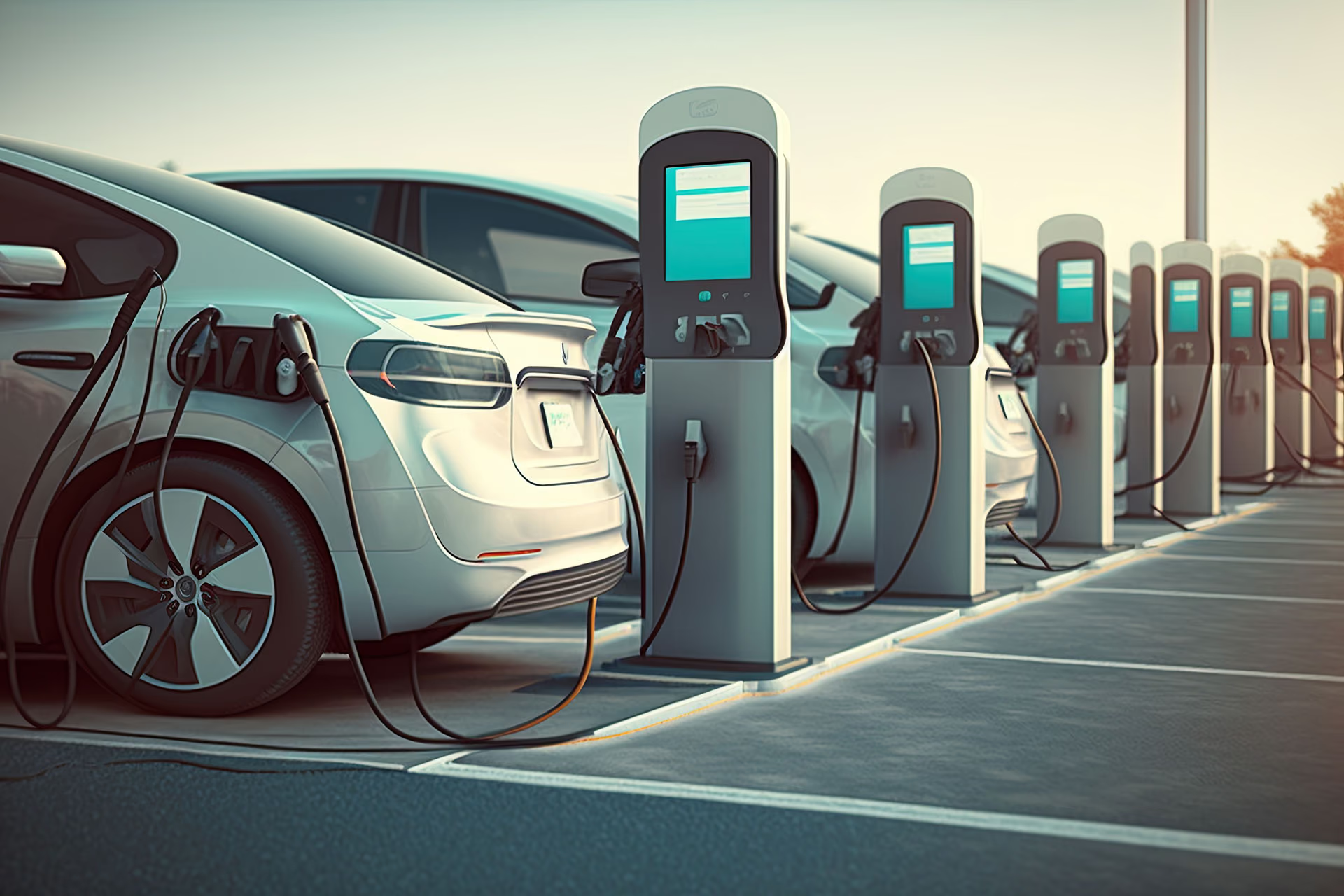
This highlights the importance of commercial charging infrastructure to support the growth of the electric vehicle market. As more car manufacturers produce electric cars and consumers begin to switch to electric vehicles, the demand for public charging stations will continue to increase. In order to meet this demand, businesses and governments will need to invest in the development and installation of commercial charging stations that can handle high volumes of charging and provide a seamless charging experience for electric vehicle drivers.
Switching to green electricity is a crucial step in meeting our climate goals. It is no secret that the current state of our planet is in crisis, and climate change is one of the most pressing issues we face today. The majority of the world’s greenhouse gas emissions come from burning fossil fuels, such as coal, oil, and natural gas. These fuels are used to generate electricity, power transportation, and heat our homes and buildings.
To address this issue, it is important that we shift away from fossil fuels and towards cleaner, renewable sources of energy like wind, solar, and hydro power. By doing so, we can significantly reduce greenhouse gas emissions and help slow the pace of climate change.
In addition to reducing our reliance on fossil fuels, switching to green electricity also offers a number of other benefits. It can improve air quality by reducing pollution, create new jobs in the renewable energy sector, and increase energy security by diversifying our energy sources.
There are a number of ways that we can promote the use of green electricity, such as government policies that incentivize renewable energy development and investment, the adoption of clean energy standards, and consumer choices. Consumers can choose to purchase green energy from their utility providers or install their own renewable energy systems, like solar panels, on their homes or businesses.
Overall, the shift to green electricity is a necessary step in our fight against climate change. By transitioning away from fossil fuels and towards clean, renewable sources of energy, we can protect our planet and secure a better future for generations to come.
Source: https://www.chargepanel.com/, https://afdc.energy.gov/fuels/electricity_infrastructure.html