Enabling Seamless and Interoperable Charging for Electric Vehicles
E-roaming is the term used to describe the seamless and interoperable charging of electric vehicles (EVs) at different charging networks. E-roaming makes it…
By Rooks Hill Editorial3 min read
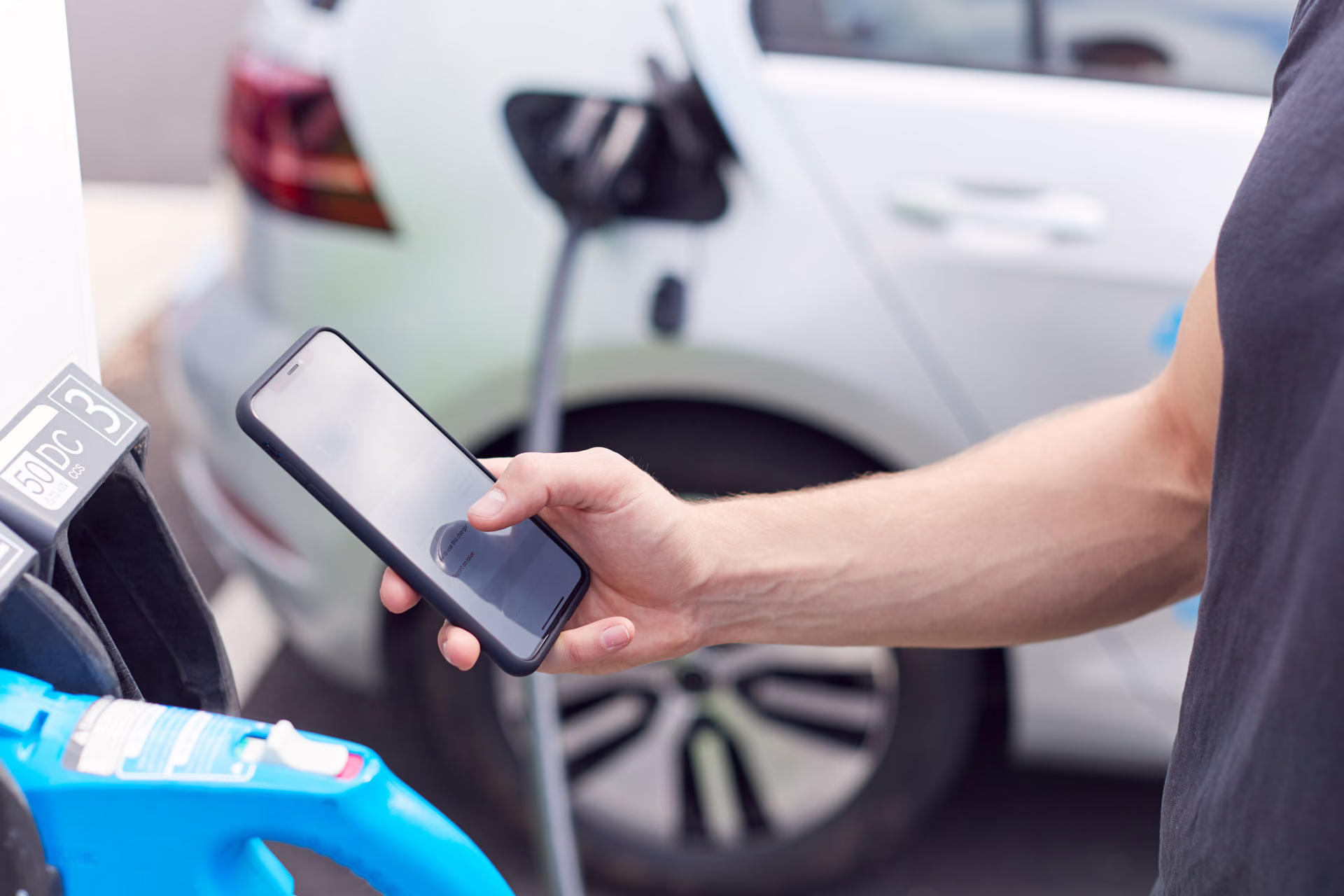
E-roaming is the term used to describe the seamless and interoperable charging of electric vehicles (EVs) at different charging networks. E-roaming makes it possible for EV drivers to use a single access card, app, or other means of identification to access and pay for charging at different charging networks.
E-roaming is beneficial for EV drivers for several reasons. Firstly, it allows drivers to travel further and with more ease, without having to worry about finding a compatible charging network or carrying multiple access cards. This makes long-distance travel in an electric vehicle more convenient and accessible. E-roaming also encourages the use of EVs by making it more convenient for drivers to charge their vehicles, which can help to accelerate the adoption of EVs and reduce reliance on fossil fuels.
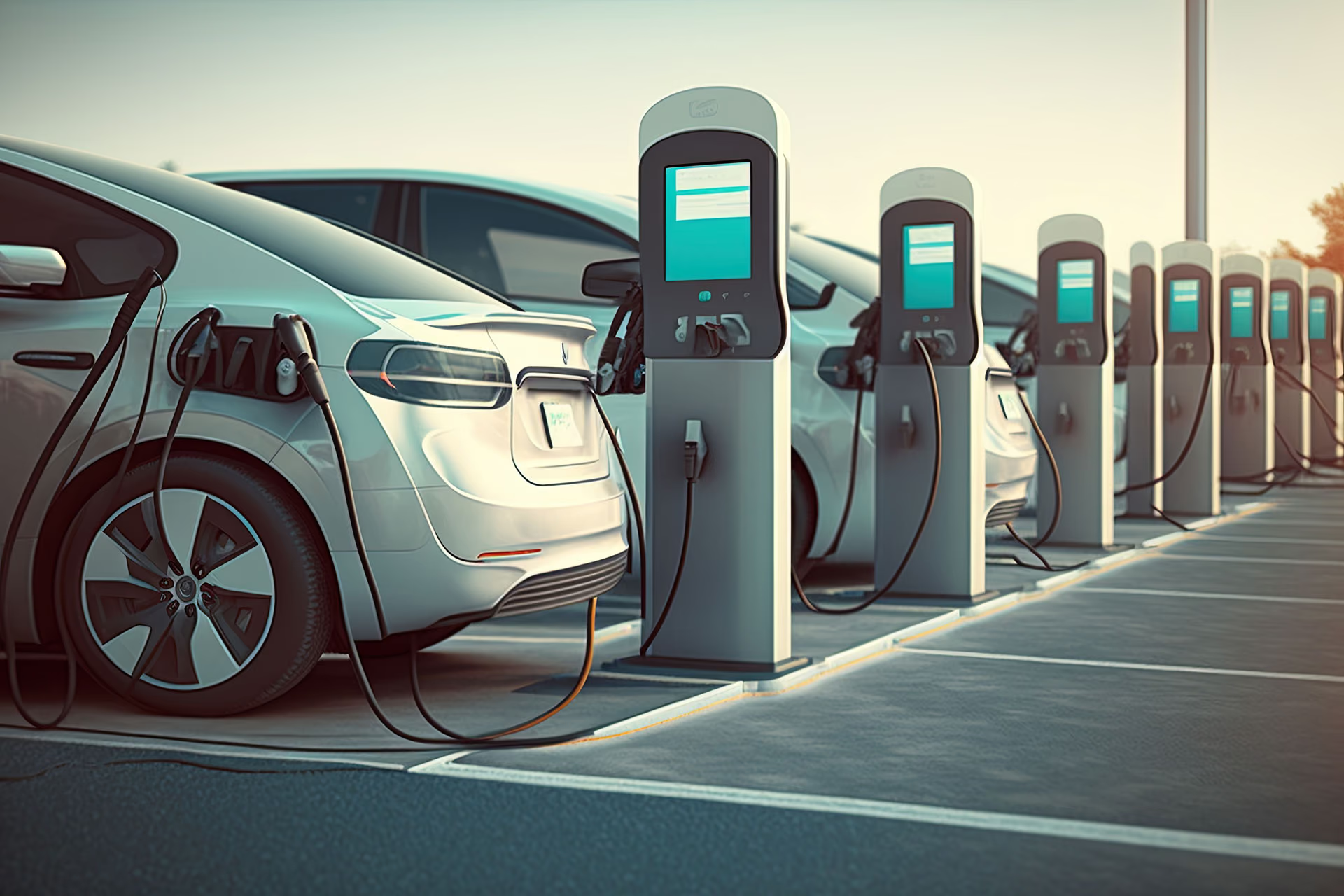
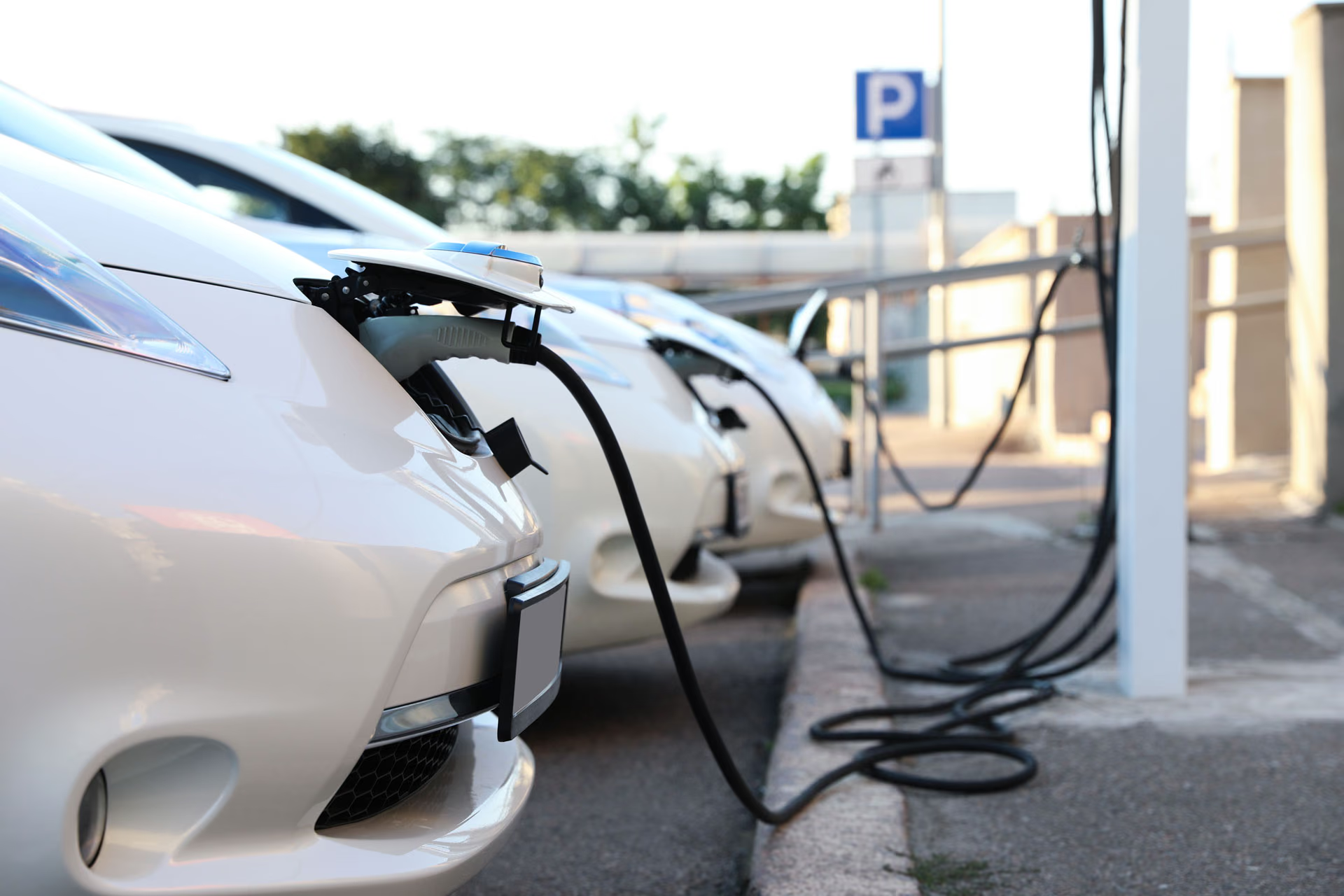
Moreover, e-roaming can also benefit charging station operators and service providers by increasing the utilization of their charging infrastructure. By joining a roaming platform, charging station operators can gain access to a larger pool of potential customers and increase the visibility of their charging network. This can lead to increased revenue and business growth.
One of the leading e-roaming platforms is Hubject. Hubject connects more than 200 charging networks globally and provides a single point of access for EV drivers to locate and pay for charging. Hubject’s platform allows drivers to access charging stations using a single app or card, regardless of the charging network they are using. Hubject also provides a range of additional services, such as payment processing, billing, and data analytics.
In summary, e-roaming is a vital component of the electric vehicle charging infrastructure, making it more convenient and accessible for EV drivers to charge their vehicles. E-roaming enables long-distance travel, reduces range anxiety, and accelerates the adoption of electric vehicles. Charging station operators can also benefit from e-roaming by increasing the utilization of their charging infrastructure and expanding their customer base. With e-roaming platforms such as Hubject, EV drivers can enjoy a seamless and interoperable charging experience, regardless of the charging network they use.
Connecting Your Charging Station to a Roaming Network
To connect a charging station to a roaming network, there are several requirements that need to be met. These requirements may vary depending on the specific roaming platform and the type of charging station, but in general, they include:
- Communication protocol: Charging stations must be equipped with a communication protocol that allows them to exchange information with the roaming platform. The most common communication protocols used in the industry are OCPP (Open Charge Point Protocol) and ISO 15118.
- Backend system: Charging station operators must have a backend system that can communicate with the roaming platform and process charging transactions. The backend system is responsible for managing user accounts, processing payments, and generating reports.
- Authentication: Charging stations must be able to authenticate EV drivers using the roaming platform’s authentication method, which may include access cards, mobile apps, or other means of identification.
- Payment processing: Charging station operators must have a payment processing system in place that can handle transactions from different payment providers and settle payments with the roaming platform.
- Data exchange: Charging station operators must be able to exchange data with the roaming platform, such as charging session information, status updates, and error messages.
Connecting a charging station to a roaming network requires careful planning and implementation to ensure that all the requirements are met. It is important to work with a reputable roaming platform provider and follow industry standards and best practices to ensure a seamless and interoperable charging experience for EV drivers.