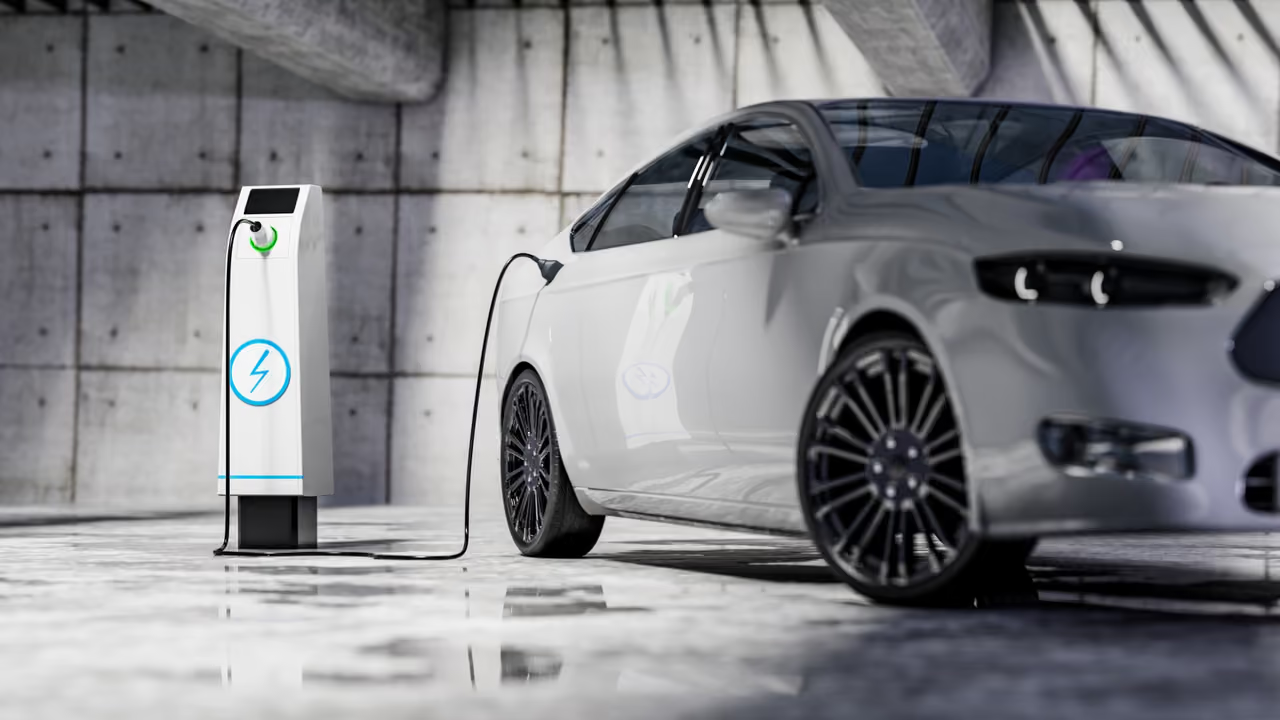
The Hidden Costs of EV Battery Waste
Electric cars are often hailed as the solution to reducing carbon emissions, but their environmental impact extends beyond the tailpipe. The batteries…
By Rooks Hill Editorial4 min read
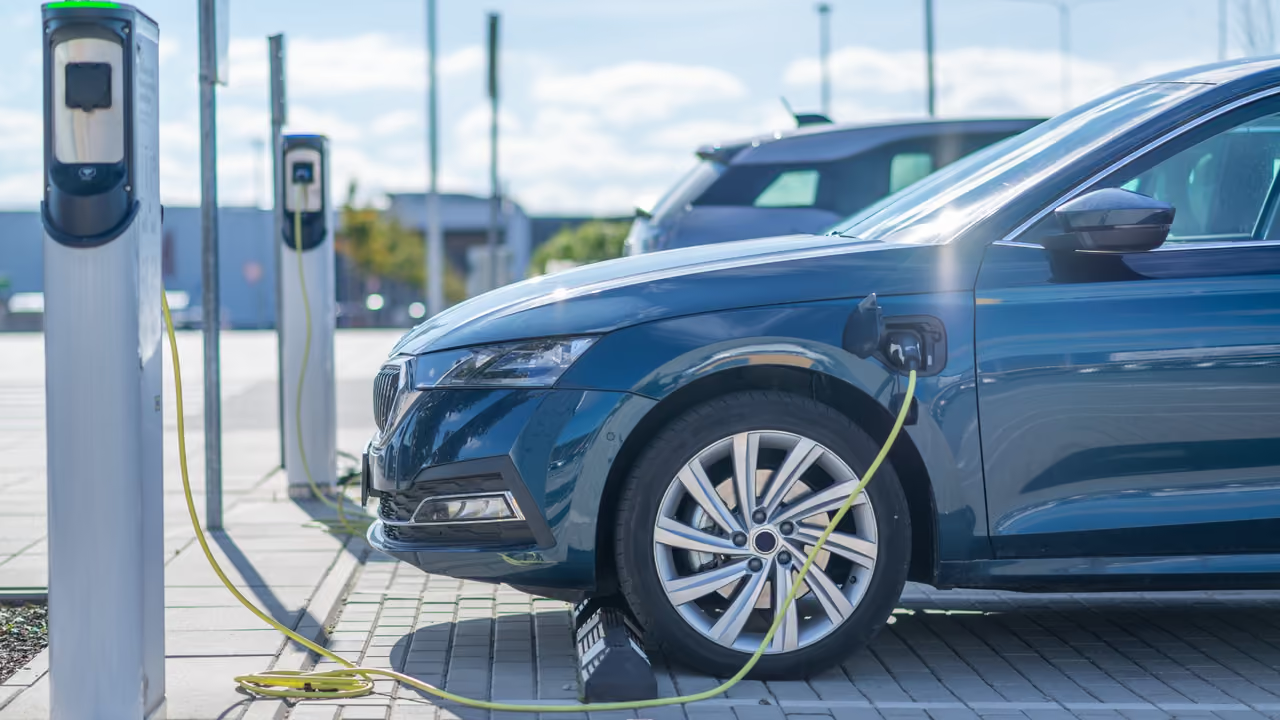
Electric cars are often hailed as the solution to reducing carbon emissions, but their environmental impact extends beyond the tailpipe. The batteries powering these vehicles pose significant challenges when it comes to disposal and recycling, demanding attention to sustainability practices in the entire lifecycle of electric vehicles (EVs).
The Environmental Impact of Electric Car Batteries
At the heart of most electric cars lies a lithium-ion battery, a complex assembly of metals like lithium, cobalt, nickel, and manganese. Mining and processing these raw materials leave a heavy environmental footprint. Extracting cobalt, for example, has been linked to habitat destruction and severe human rights concerns in certain regions. The energy-intensive manufacturing process adds to the carbon footprint, somewhat offsetting the emissions saved by driving an EV instead of a gasoline car.
Once an EV battery reaches the end of its useful life—typically after 8 to 15 years—it becomes an environmental concern. Improper disposal can lead to toxic substances leaching into soil and water. Moreover, the sheer volume of batteries expected to retire in the coming decades demands effective recycling systems to recover valuable materials and reduce the need for fresh mining.
Current Methods for Recycling EV Batteries
Recycling of electric car batteries is still evolving, but several methods are currently in use:
- Pyrometallurgical processes: These involve high-temperature smelting to recover metals like cobalt, nickel, and copper. While established, this method can lose lithium in the process and emits significant greenhouse gases.
- Hydrometallurgical processes: Using acid or other solvents, this approach dissolves battery materials to extract metals more selectively. It tends to be more efficient and environmentally friendly than pyrometallurgy but requires complex chemical management.
- Direct recycling: This emerging technique aims to preserve the battery’s cathode materials for reuse without breaking them down into raw metals. It promises to save energy and reduce material loss but is still in the research and pilot phase.
Currently, recycling rates for lithium-ion batteries vary widely. While metals like cobalt and nickel have relatively high recovery rates, lithium often escapes efficient reclamation, posing a risk for future supply shortages. The challenge is that batteries come in different chemistries and designs, complicating standardized recycling approaches.
Innovations and Future Technologies in Battery Recycling
Innovation is crucial to making battery recycling more sustainable and economically viable. Some promising developments include:
- Automated disassembly: Robotics and AI-driven systems are being developed to safely and efficiently disassemble batteries. This reduces labor costs and the risk of accidents from handling hazardous materials.
- Advanced hydrometallurgy: Researchers are refining solvent mixtures and processes to increase lithium recovery and reduce chemical waste. New, greener solvents are also under investigation.
- Second-life applications: Before recycling, used EV batteries can be repurposed for energy storage in homes or grid systems. This extends battery life and defers recycling needs.
- Direct recycling pilot projects: Companies and universities are testing ways to refurbish cathode materials directly, which could drastically cut energy use and costs.
- Bioleaching: Using microbes to extract metals from battery waste is an emerging eco-friendly technique, still largely experimental but promising for low-impact metal recovery.
These innovations could transform battery recycling from a costly afterthought into a core part of the EV industry’s sustainability strategy.
Policy and Industry Roles in Promoting Sustainable Battery Life Cycles
Governments and industry players have vital roles in shaping the future of battery sustainability. Several regions have introduced regulations targeting battery recycling:
- Extended Producer Responsibility (EPR): Mandating manufacturers to take back and recycle batteries encourages design for recyclability and invests in recycling infrastructure.
- Recycling targets: The European Union, for instance, requires a minimum recovery rate of 65% for lithium-ion batteries by weight, with plans to increase this threshold.
- Standards and certification: Creating consistent standards for battery designs helps recyclers process different models more efficiently.
- Investment in recycling facilities: Public funding and incentives are crucial to scaling recycling operations to meet the anticipated influx of retired EV batteries.
- Collaboration across the supply chain: Automakers, battery makers, recyclers, and policymakers must work together to close the loop on battery materials.
Some car manufacturers are already adopting closed-loop systems where they recover materials from old batteries to build new ones. This reduces dependence on virgin materials and cuts environmental impact. However, such initiatives remain limited and costly without broader industry and policy support.