Cities Transforming with Electric Vehicles
How will the rise of electric cars reshape the cities we live in? The need for EV-friendly urban infrastructure Electric vehicles (EVs) are no longer just a…
By Rooks Hill Editorial4 min read
How will the rise of electric cars reshape the cities we live in?
The need for EV-friendly urban infrastructure
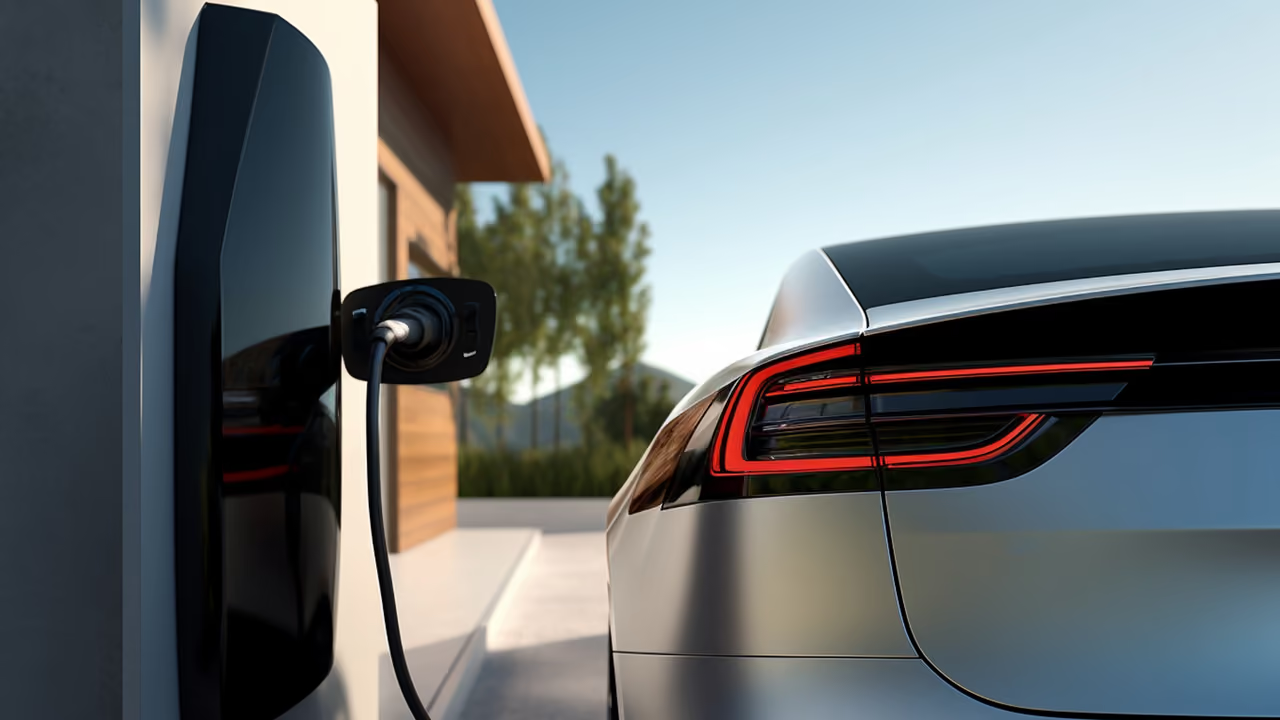
Electric vehicles (EVs) are no longer just a niche market for eco-conscious drivers; they are rapidly becoming a central piece of urban mobility. But for electric cars to truly transform city life, urban infrastructure must evolve. Traditional gas stations are giving way to charging stations, and the simple act of parking is morphing into an opportunity to recharge both the vehicle and the grid.
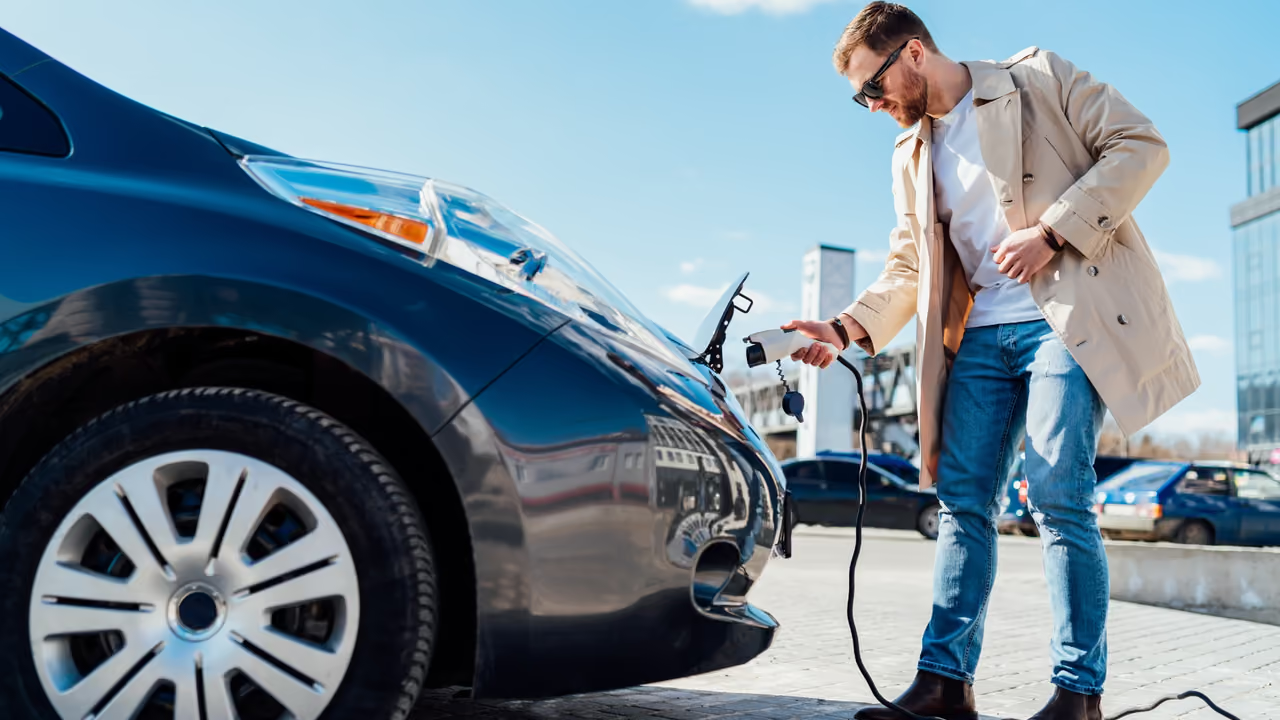
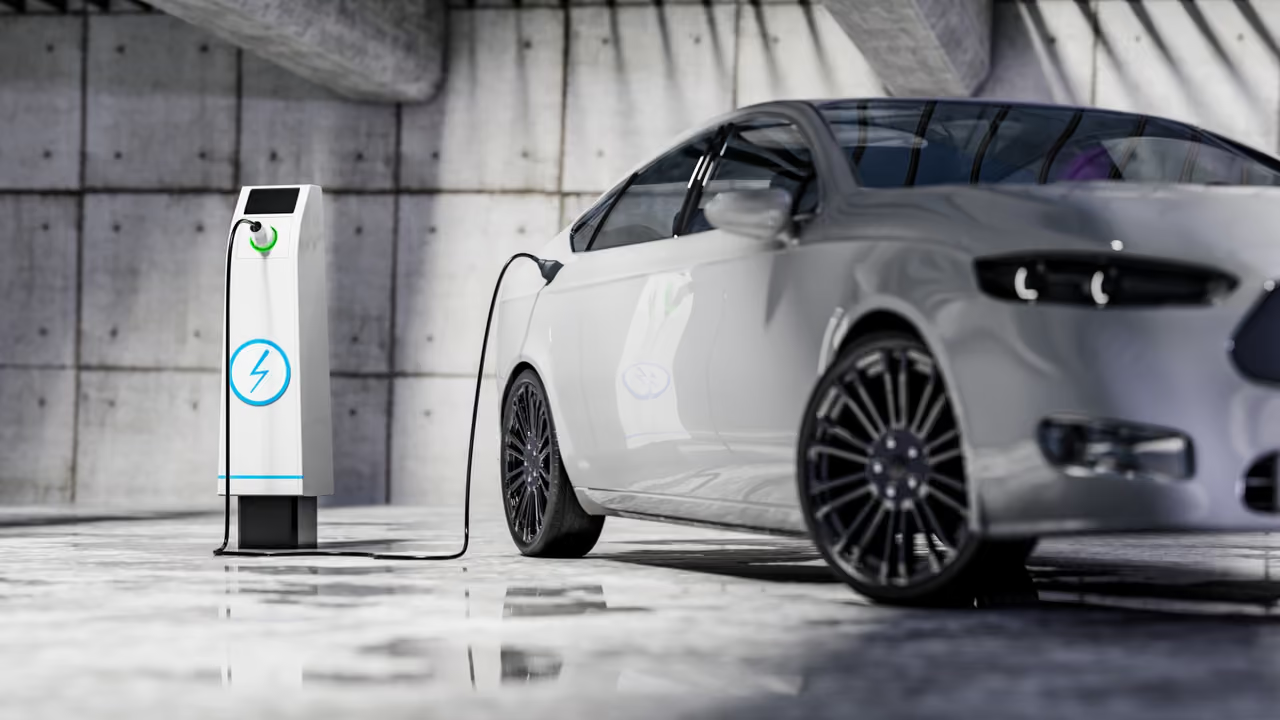
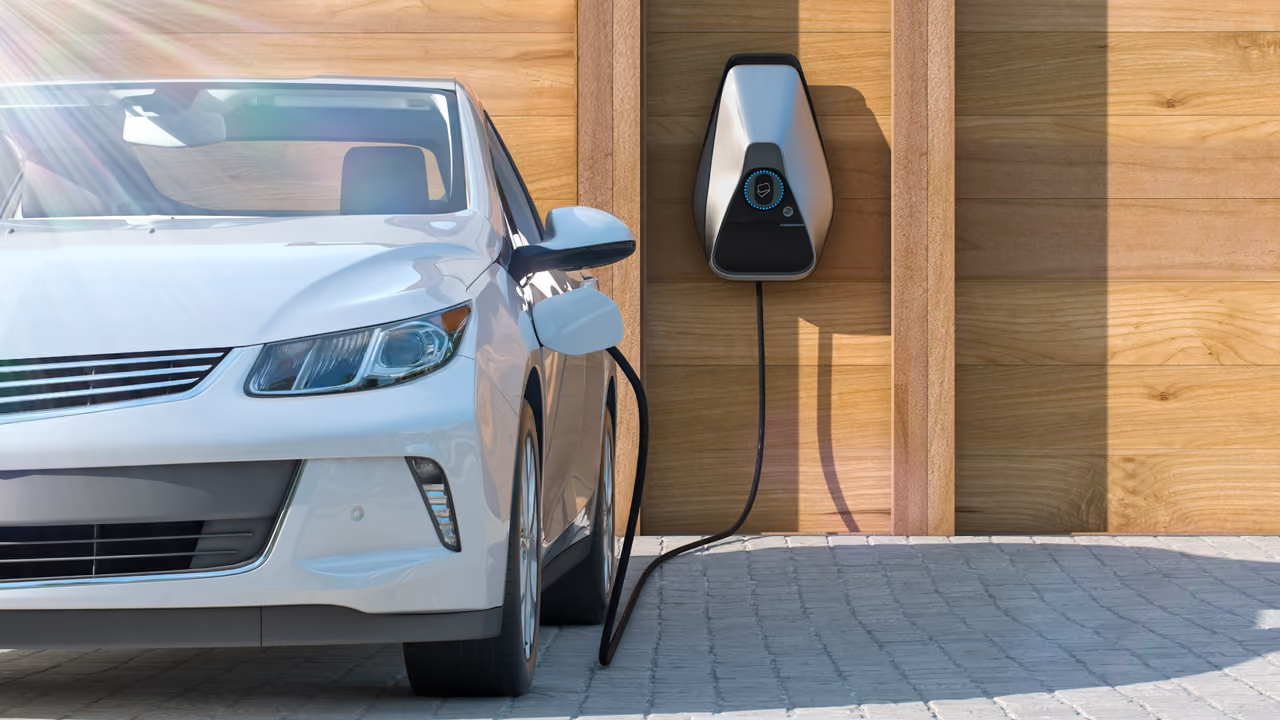
City planners face the urgent task of embedding EV-friendly infrastructure seamlessly into existing urban fabrics. This means expanding the network of public charging points, integrating fast chargers in high-traffic areas, and ensuring residential zones have accessible options for overnight charging. Without these changes, electric cars risk being more of a burden than a solution in dense urban environments.
Charging infrastructure also brings up the issue of electricity supply. Cities must upgrade their grids to handle peak loads from simultaneous EV charging. Smart grid technologies and renewable energy sources need to be part of this equation if urban centers want to avoid swapping one pollution problem for another.
How electric cars influence public transportation planning
The growth of electric cars doesn’t just affect private vehicle users; it ripples through public transportation systems as well. For starters, many cities are electrifying their bus fleets, reducing noise and air pollution on busy streets. This shift demands new charging depots and maintenance facilities tailored to electric buses.
Moreover, the rise of EVs encourages planners to rethink the relationship between private and public transport. With electric car-sharing programs gaining popularity, the lines blur between owning a vehicle and using public transit. This hybrid model could lead to more flexible, demand-driven transit options that complement traditional bus and rail networks.
Urban planners must consider how to integrate EV car-sharing hubs with public transit stops, creating seamless transfer points that encourage people to leave their personal cars behind. This integration could reduce congestion and improve air quality in city centers.
Challenges of integrating EVs into existing city layouts
Retrofitting cities for electric vehicles is no small feat. Many urban areas were designed around the automobile’s gas-powered past, with sprawling suburbs and limited space for new infrastructure. Finding room for charging stations in crowded streets, parking garages, and residential areas poses logistical and political challenges.
Residents often resist the installation of charging points near their homes due to concerns about noise, aesthetics, or potential increases in traffic. Local governments need to navigate these community concerns while pushing forward necessary upgrades.
Another challenge lies in equitable access. Wealthier neighborhoods tend to adopt EVs faster, potentially creating pockets of well-served zones while lower-income areas lag behind. Cities must ensure that EV infrastructure doesn’t deepen existing inequalities but instead promotes inclusive mobility options.
Finally, integrating electric vehicle infrastructure with other urban systems—like traffic management, pedestrian zones, and cycling paths—requires a holistic approach. Cities can’t simply bolt on charging stations; they must rethink the entire transportation ecosystem to accommodate the unique demands of EVs.
Future city designs shaped by electric vehicle adoption
Looking ahead, the widespread adoption of electric cars could inspire a new generation of urban design. Imagine streets where silent EVs glide past, integrated with lush green spaces that absorb noise and pollution from fewer combustion engines. Parking lots might shrink or transform into multi-use spaces, as electric car-sharing reduces the need for personal vehicles.
Urban planners are already envisioning “smart streets” equipped with embedded charging pads and sensors that communicate with vehicles to optimize traffic flow and energy use. These innovations will not only change how cities look but how they function on a day-to-day basis.
Mixed-use developments could prioritize EV infrastructure from the start, blending residential, commercial, and transit hubs with easy access to charging and car-sharing services. This integration could encourage residents to rely less on owning a vehicle and more on flexible, sustainable mobility solutions.
In some cases, entire neighborhoods might be designed as EV zones, where only electric vehicles are allowed, dramatically reducing noise and improving air quality. These zones could serve as testing grounds for new technologies and urban policies aimed at creating healthier, more livable cities.
The electric car revolution is about more than just cleaner vehicles; it’s a catalyst for reimagining urban life. Cities that embrace this challenge will not only support the growing EV population but also create more dynamic, equitable, and sustainable environments for everyone.