Can Electric Cars Clean City Air Fast
What if the car you drive every day could actually help clean the air you breathe? The idea sounds almost too good to be true, yet electric cars are proving…
By Rooks Hill Editorial4 min read
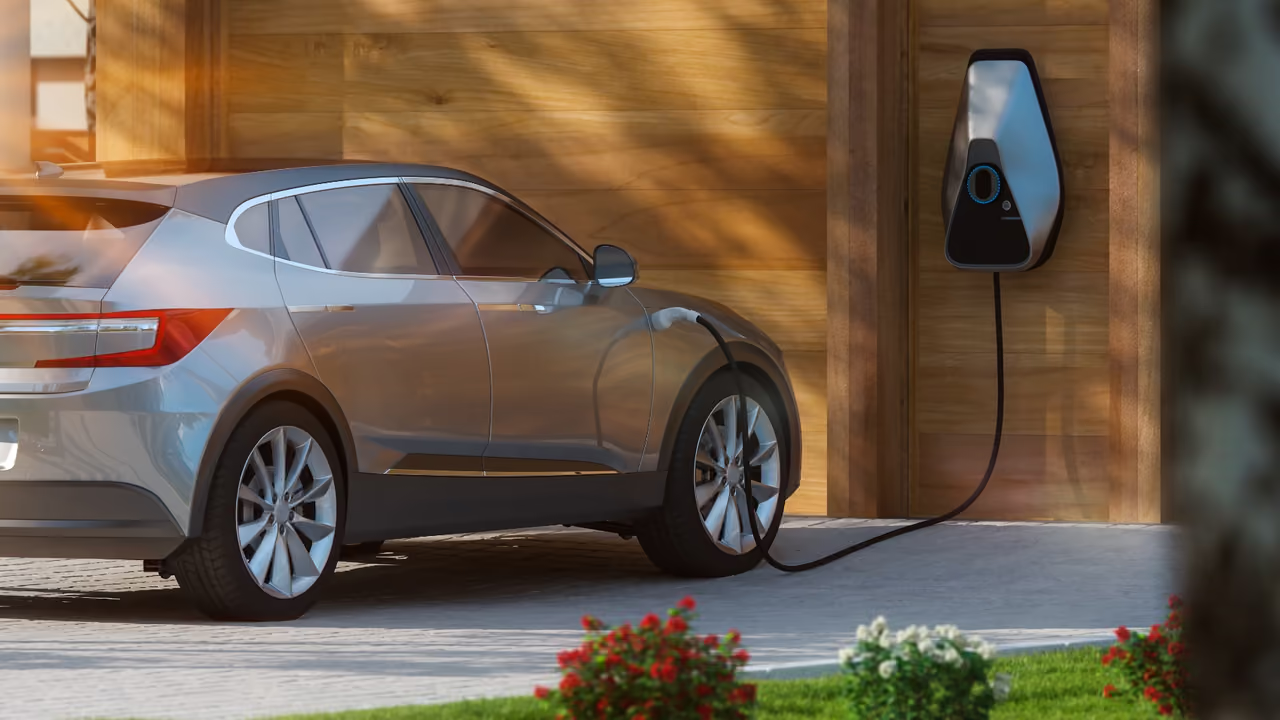
What if the car you drive every day could actually help clean the air you breathe? The idea sounds almost too good to be true, yet electric cars are proving to be a powerful tool in the fight against urban air pollution and its devastating effects on public health.
The Impact of Vehicle Emissions on Urban Air Quality
Urban areas around the world struggle with air pollution, a problem largely driven by emissions from vehicles using internal combustion engines. These engines burn fossil fuels such as gasoline and diesel, releasing a toxic mix of pollutants into the atmosphere. Among the most harmful are nitrogen oxides (NOx), particulate matter (PM), carbon monoxide (CO), and volatile organic compounds (VOCs).
These pollutants don’t just hang in the air; they infiltrate our lungs, exacerbate respiratory illnesses like asthma, and increase the risk of heart disease and stroke. According to the World Health Organization, outdoor air pollution is responsible for millions of premature deaths annually, a grim statistic heavily influenced by vehicle emissions in cities.
Traffic congestion worsens the problem by concentrating emissions in densely populated areas. This means the people who live, work, and go to school near busy roads face the greatest health risks.
How Electric Cars Reduce Harmful Pollutants in Cities
Electric vehicles (EVs) offer a clear advantage: they produce zero tailpipe emissions. Unlike traditional cars, they don’t emit NOx, PM, or CO while running. This makes a noticeable difference in urban air quality, especially when EVs replace a significant number of internal combustion engine vehicles.
It’s important to acknowledge that EVs are not entirely emissions-free. The electricity used to charge them may come from power plants that burn fossil fuels, contributing indirectly to pollution. However, as the energy grid becomes greener with more renewables, the overall emissions associated with EVs continue to drop dramatically.
Besides reducing harmful pollutants, electric cars also cut down on noise pollution, which is another urban health hazard linked to stress and sleep disorders. Their quieter operation helps create more livable city environments.
Key Pollutants Reduced by Switching to Electric Cars
- Nitrogen Oxides (NOx) – Known to cause respiratory problems and contribute to smog formation.
- Particulate Matter (PM) – Tiny particles that penetrate deep into the lungs and bloodstream.
- Carbon Monoxide (CO) – A poisonous gas that reduces oxygen delivery in the body.
- Volatile Organic Compounds (VOCs) – Chemicals that contribute to ozone formation and respiratory irritation.
Case Studies of Cities Benefiting from Electric Vehicle Adoption
Several cities have already seen tangible benefits from encouraging electric vehicle use, often through a mix of incentives, infrastructure investments, and policy changes.
Oslo, Norway
Oslo stands out as a global leader in EV adoption. The city’s aggressive policies—such as exempting electric cars from tolls, providing free parking, and building extensive charging networks—have resulted in electric cars making up more than half of new car sales. The impact on air quality has been measurable, with significant reductions in NOx and PM levels in the city center over the past decade.
Los Angeles, USA
Los Angeles has struggled with smog for decades, but the introduction of electric buses and incentives for EV ownership is helping to turn the tide. The city’s commitment to zero-emission vehicles is reducing toxic exhaust fumes, crucial for a city where asthma rates are among the highest in the country.
Shenzhen, China
Shenzhen’s transformation of its entire public bus fleet to electric vehicles—over 16,000 buses—has drastically cut down urban air pollution. This switch is estimated to reduce particulate emissions by thousands of tons annually, improving air quality for millions of residents.
Future Potential of Electric Cars in Combating Air Pollution
The future of electric cars in improving urban air health looks promising but hinges on several factors. First, expanding EV adoption beyond affluent early adopters to mainstream consumers is critical. As battery prices fall and vehicle ranges improve, electric cars will become accessible to more people.
Second, the decarbonization of the electricity grid is essential. The cleaner the power that charges EVs, the greater the net reduction in pollution. Investments in solar, wind, and other renewable energies directly enhance the environmental benefits of electric vehicles.
Lastly, integrating electric cars with other sustainable transportation options—like public transit, cycling, and walking—can amplify the benefits. Urban planning that prioritizes clean mobility and reduces reliance on personal vehicles will maximize air quality improvements.
By transforming the vehicles we rely on daily, electric cars offer a tangible way to make our cities healthier places to live. They are not just a technological upgrade but a vital piece in the puzzle of combating urban air pollution and protecting public health.