Workplace EV Chargers Boost Employee Loyalty
Workplace electric vehicle (EV) charging stations have moved beyond being a rare perk. They are now a key part of the modern employee experience and a clear…
By Rooks Hill Editorial4 min read

Workplace electric vehicle (EV) charging stations have moved beyond being a rare perk. They are now a key part of the modern employee experience and a clear sign of corporate responsibility. As more workers switch to EVs, companies see that offering charging spots at work not only makes employees happier but also fits with bigger sustainability goals.
The Rise of EV Charging at Workplaces and Its Impact on Employee Satisfaction
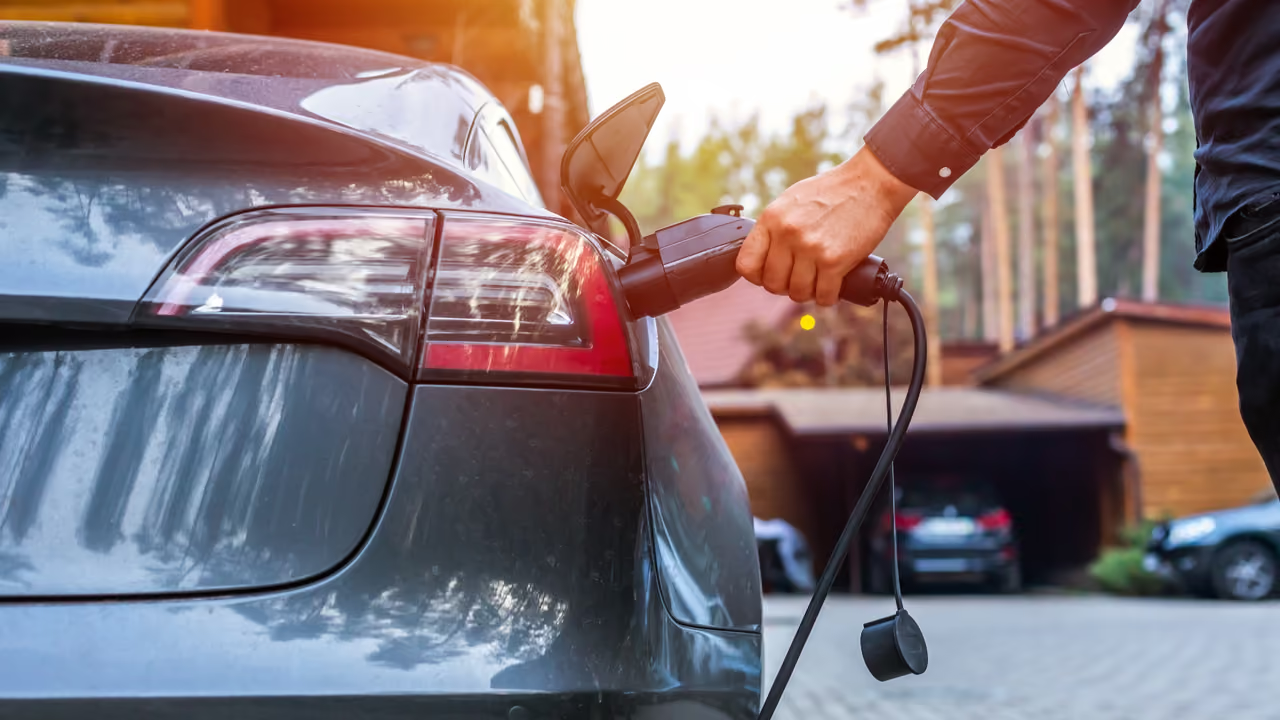
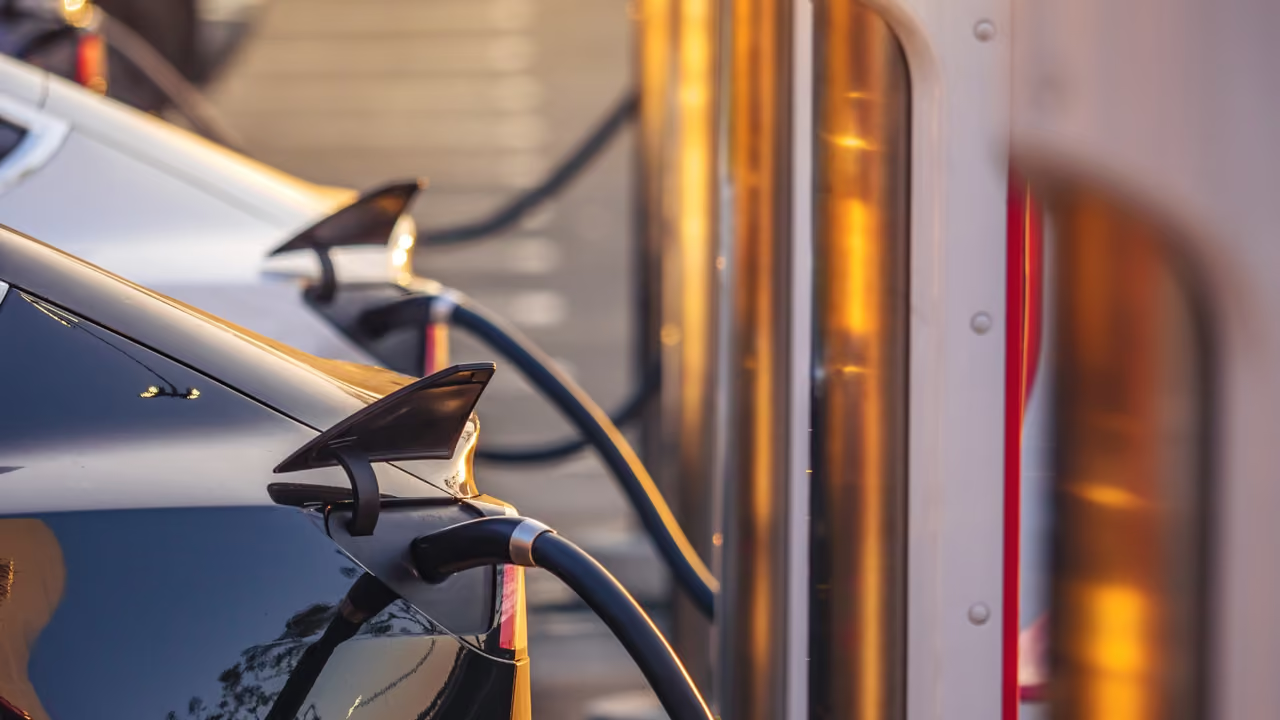
Electric vehicles are becoming more common, and the need for easy charging options is growing fast. Public charging stations are spreading, but the workplace has become a top spot for EV owners to recharge during their day. Having chargers at work solves a real problem and shows what a company stands for.
Employees notice when their employer puts money into EV chargers. It is a clear benefit that offers convenience and shows the company is thinking ahead. For many, being able to charge at work is the reason they choose an EV. It removes worries about running out of power and the hassle of hunting for public chargers. This benefit helps keep current staff and attracts new hires, especially younger workers who care about the environment.
Consider a mid-sized tech firm that installed EV chargers last year. Since then, several employees have switched to electric cars, citing the workplace charging as a major factor. The company reports fewer late arrivals and happier staff, showing how this simple perk can make a real difference.
Corporate Sustainability Goals Driving Investment in EV Infrastructure
Workplace charging is more than just a perk—it’s a smart move for sustainability. Many companies have set tough carbon-cutting targets and want to go beyond the usual steps. Helping employees switch to EVs directly cuts Scope 3 emissions, which cover commuting and business travel.
Installing EV chargers sends a visible signal that a company is serious about green goals. It encourages employees to choose cleaner transport and fits well with other efforts like using renewable energy and cutting waste. For businesses aiming to improve their environmental, social, and governance (ESG) scores, workplace EV charging stations offer clear results and boost public image.
One large retailer, for example, linked its EV charging rollout to its goal of cutting emissions by 50% in five years. The company tracked employee EV use and found a steady rise, helping it meet its targets faster than expected.
Challenges Companies Face When Installing and Managing EV Chargers
Even with clear benefits, setting up EV charging isn’t simple. The first hurdle is cost. Installing chargers, especially fast ones, can be pricey. Costs depend on the building’s electrical system and how many stations are needed.
Upgrades may be needed, such as boosting electrical panels or digging trenches for wiring. Companies must also handle permits, work with utilities, and hunt for incentives—a tricky process that needs know-how.
After installation, managing the chargers brings more challenges. Companies must ensure fair access, figure out how to bill for electricity, and keep the hardware working well. Without smart management, chargers might sit unused or be hogged by a few, defeating the goal of sharing the benefit.
Scalability is another concern. EV use is expected to grow fast, so companies should invest in flexible, upgradeable chargers. This avoids costly replacements down the line.
For example, a financial firm that installed a small number of chargers found demand quickly outpaced supply. They had to scramble to add more stations, which cost extra and disrupted staff. Planning for growth from the start would have saved time and money.
Future Outlook Integrating Smart Charging and Grid Interaction in Business Environments
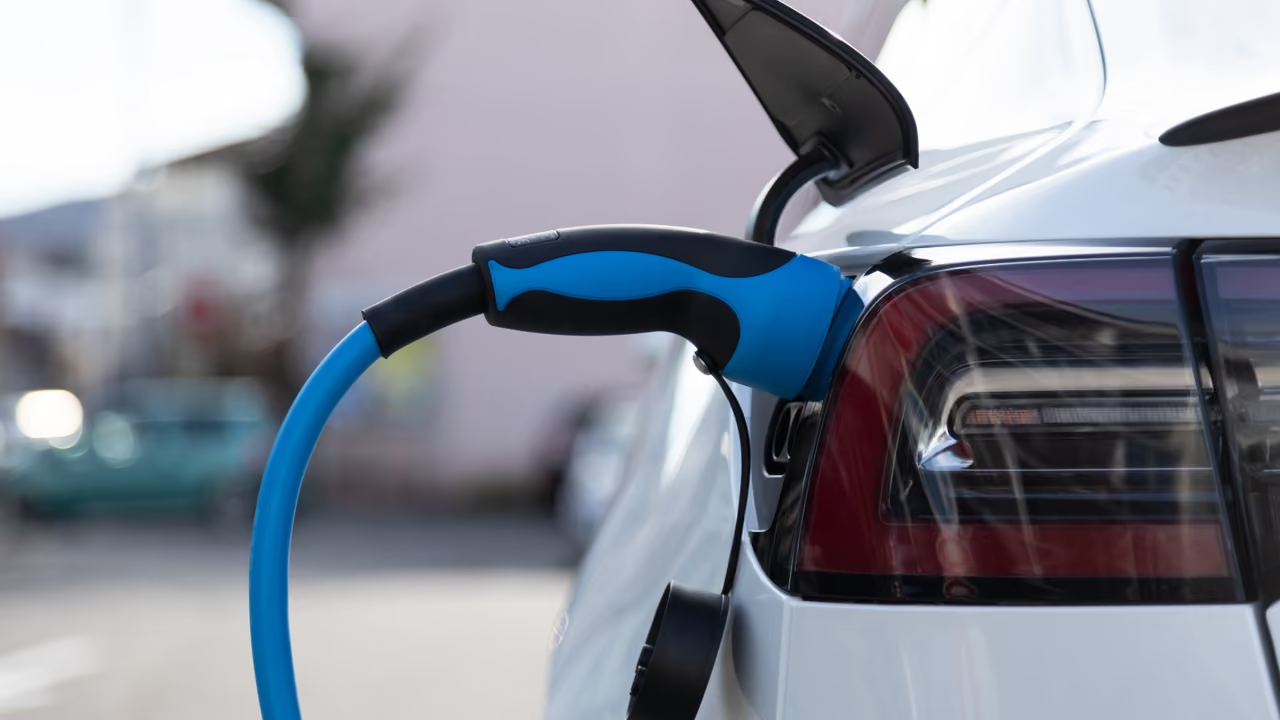
The future of workplace EV charging is smart technology and grid connection. Smart chargers can control when cars charge, choosing off-peak hours or times when renewable energy is plentiful. This cuts electricity bills and eases pressure on the power grid.
Vehicle-to-grid (V2G) technology is starting to gain ground. It lets EVs act as mobile batteries, sending energy back to the grid when needed. Businesses could use V2G-enabled company cars and employee vehicles to help stabilize the grid and even earn money by selling energy.
Using these technologies takes skill and planning, but the rewards are big: better energy use, stronger green credentials, and happier employees. Companies that adopt smart charging and grid interaction will lead the way in workplace benefits and environmental care.
One manufacturing company recently piloted a smart charging system that shifts charging to times when solar panels on-site produce the most power. The result was a 20% cut in electricity costs and a smoother load on the local grid. Employees appreciated the system too, as it kept their cars ready without extra effort.