



Unlocking the Power of EV Charging Analytics
EV Charging Platform Analytics: Unlocking the Power of Data As the popularity of electric vehicles (EVs) continues to rise, so does the need for efficient and…
By Rooks Hill Editorial3 min read
EV Charging Platform Analytics: Unlocking the Power of Data
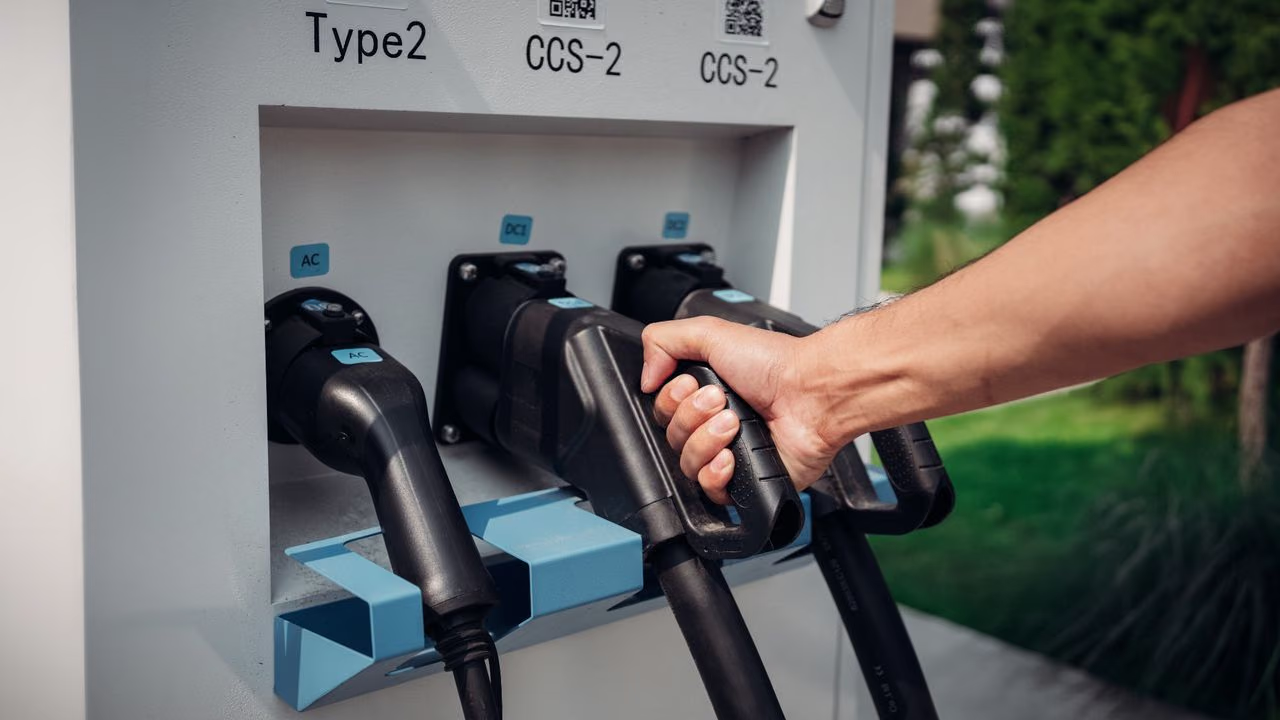
As the popularity of electric vehicles (EVs) continues to rise, so does the need for efficient and reliable EV charging infrastructure. To meet this demand, charging platform providers have emerged, offering a range of services to enable seamless charging experiences for EV owners. But how can these providers ensure their platforms are performing optimally? This is where EV charging platform analytics comes into play.
Understanding Charging Platform KPIs
Key Performance Indicators (KPIs) are essential metrics that help charging platform providers gauge the effectiveness of their services. By tracking and analyzing these KPIs, providers can identify areas for improvement and make data-driven decisions to enhance the charging experience. Some common KPIs for charging platforms include:
- Charging Session Duration: This metric measures the average time it takes for an EV to complete a charging session. Providers can use this data to optimize charging station availability and reduce waiting times.
- Charging Station Utilization: By monitoring the utilization rate of charging stations, providers can identify high-demand locations and allocate resources accordingly. This helps prevent congestion and ensures a smooth charging process.
- Charging Revenue: Tracking the revenue generated from charging sessions provides valuable insights into the financial performance of the platform. Providers can use this information to evaluate pricing strategies and identify opportunities for revenue growth.
Exploring Charging Platform Data
Charging platform data exploration involves delving into the vast amounts of data collected from EV charging sessions. This process allows providers to uncover patterns, trends, and correlations that can help optimize their services. By leveraging advanced analytics tools, providers can gain valuable insights, such as:
- Peak Usage Times: Analyzing charging session data can reveal the busiest times of the day or week. Armed with this knowledge, providers can schedule maintenance and upgrades during off-peak hours to minimize disruptions.
- User Behavior: Understanding how users interact with the charging platform can help providers improve the overall user experience. By analyzing data on user preferences, session durations, and charging habits, providers can tailor their services to better meet customer needs.
- Station Performance: Monitoring the performance of individual charging stations is crucial for maintaining a reliable network. By analyzing data on station uptime, charging speeds, and error rates, providers can proactively address any issues and ensure a seamless charging experience for users.
Reporting for Success
Charging platform reporting plays a vital role in communicating the performance and value of the platform to stakeholders. By generating comprehensive reports, providers can showcase their achievements, identify areas for improvement, and demonstrate the return on investment. Some key components of effective charging platform reports include:
- Executive Summary: A concise overview of the platform’s performance, highlighting key achievements and challenges.
- KPI Analysis: Detailed analysis of the KPIs, providing insights into the platform’s strengths and weaknesses.
- Recommendations: Actionable recommendations based on data analysis, outlining strategies for improving the platform’s performance.
- Visualizations: Clear and visually appealing charts, graphs, and tables that help stakeholders understand complex data at a glance.
In conclusion, EV charging platform analytics is a powerful tool that enables providers to optimize their services and deliver an exceptional charging experience for EV owners. By tracking KPIs, exploring data, and generating insightful reports, providers can make data-driven decisions that drive success in the rapidly evolving EV market.



