



Unleashing the Power of Electric Motors
Electric Motors: Unlocking the Power of Longevity, Torque, and Regenerative Braking Electric motors have revolutionized the way we think about transportation…
By Rooks Hill Editorial2 min read
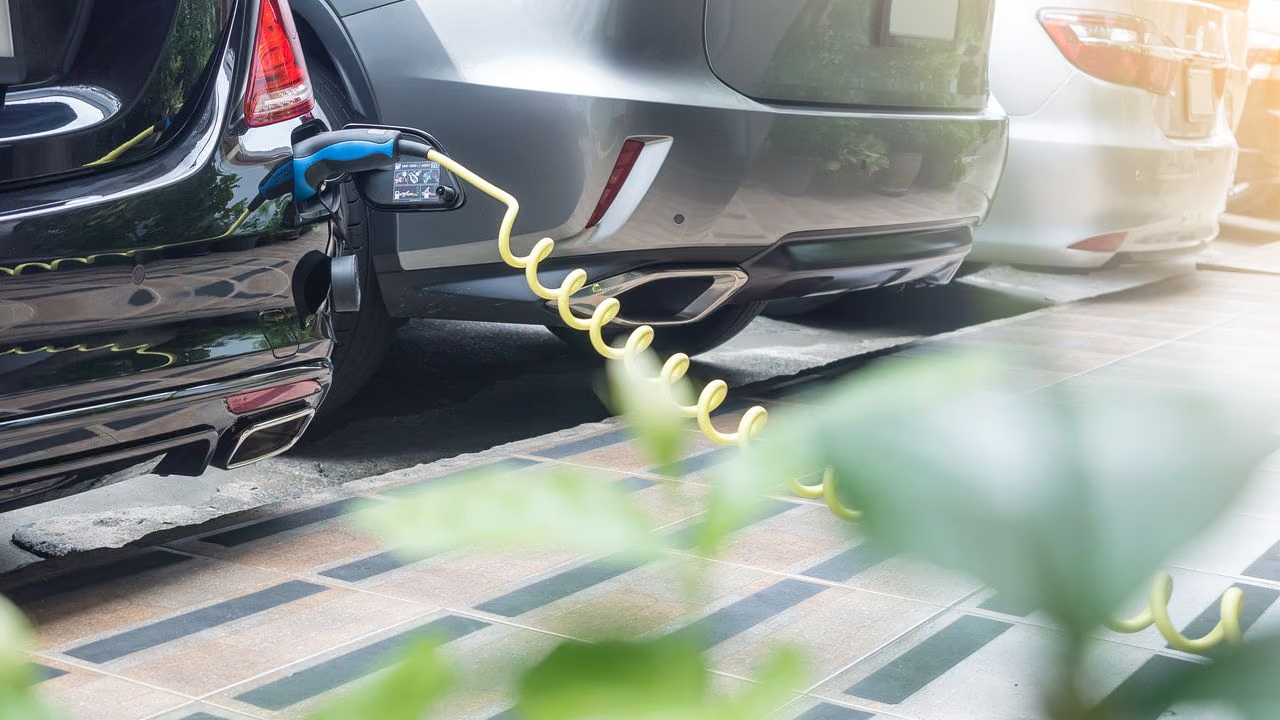
Electric Motors: Unlocking the Power of Longevity, Torque, and Regenerative Braking
Electric motors have revolutionized the way we think about transportation and energy consumption. From electric cars to household appliances, these marvels of engineering have proven to be a game-changer in terms of longevity, torque, and regenerative braking. In this article, we will delve into the benefits of electric motors and why they are shaping the future of various industries.
Longevity: The Endurance Champions
One of the key advantages of electric motors is their impressive longevity. Unlike traditional combustion engines that require frequent maintenance and replacement of parts, electric motors are built to last. With fewer moving parts and a simpler design, they are less prone to wear and tear.
Electric motors are also not subject to the same harsh conditions as internal combustion engines. The absence of explosive fuels and extreme temperatures allows them to operate smoothly and efficiently for extended periods. This longevity not only reduces the need for frequent repairs but also contributes to a significant decrease in overall maintenance costs.
Torque: The Power to Accelerate
When it comes to acceleration, electric motors have a clear advantage over their combustion counterparts. Electric motors deliver instant torque, providing a quick and responsive driving experience. This immediate power delivery allows electric vehicles to accelerate rapidly, making them ideal for city driving and highway overtaking.
The torque advantage of electric motors also translates into enhanced towing capacity. Whether it’s hauling heavy loads or towing trailers, electric vehicles equipped with electric motors can handle the task with ease. This makes them a preferred choice for industries such as logistics and construction where heavy-duty performance is essential.
Regenerative Braking: Harnessing the Power of Efficiency
Regenerative braking is a feature unique to electric motors that further enhances their efficiency. Unlike traditional braking systems that convert kinetic energy into heat, regenerative braking harnesses the kinetic energy of the vehicle and converts it back into electrical energy. This energy is then stored in the vehicle’s battery for later use.
By utilizing regenerative braking, electric vehicles can recover a significant amount of energy that would otherwise be wasted. This not only increases the overall efficiency of the vehicle but also extends its range. In stop-and-go traffic or during downhill descents, regenerative braking can make a noticeable difference in the vehicle’s energy consumption.
Conclusion
Electric motors have emerged as a sustainable and efficient alternative to traditional combustion engines. Their longevity, torque, and regenerative braking capabilities make them a clear choice for a wide range of applications, from electric cars to industrial machinery. As technology continues to advance, we can expect even greater improvements in electric motor performance, driving us towards a greener and more sustainable future.



