



Types of Electric Vehicles: BEVs vs PHEVs
Types of electric vehicles (EVs): Battery Electric Vehicles (BEVs) vs. Plug-in Hybrid Electric Vehicles (PHEVs) In recent years, the automotive industry has…
By Rooks Hill Editorial3 min read
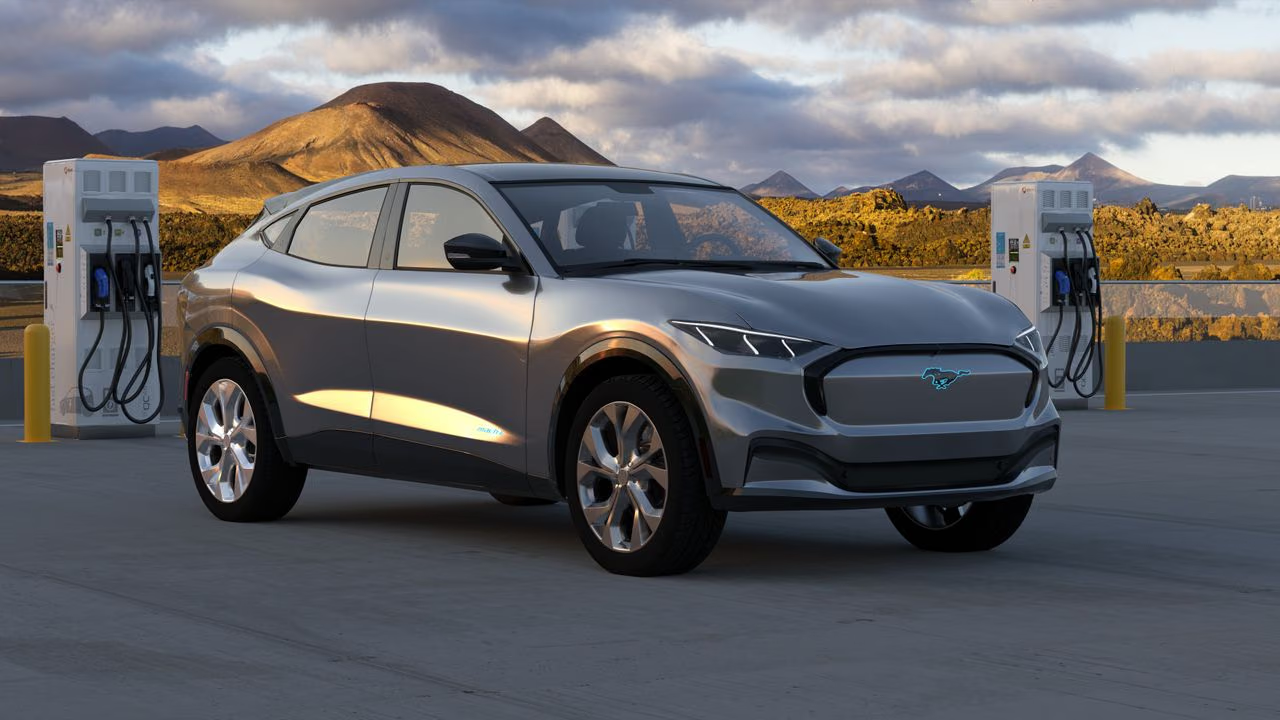
Types of electric vehicles (EVs): Battery Electric Vehicles (BEVs) vs. Plug-in Hybrid Electric Vehicles (PHEVs)
In recent years, the automotive industry has witnessed a significant shift towards electric vehicles (EVs) as a cleaner and more sustainable mode of transportation. As the demand for EVs continues to grow, it is important to understand the different types of electric vehicles available in the market. Two popular categories of EVs are Battery Electric Vehicles (BEVs) and Plug-in Hybrid Electric Vehicles (PHEVs).
Battery Electric Vehicles (BEVs)
BEVs are fully electric vehicles that rely solely on electric motors for propulsion. These vehicles are powered by rechargeable battery packs, which store electricity to be used by the electric motors. BEVs do not have an internal combustion engine (ICE) and therefore produce zero tailpipe emissions, making them environmentally friendly.
One of the key advantages of BEVs is their simplicity. With no need for a traditional engine, BEVs have fewer moving parts, resulting in reduced maintenance costs. Additionally, BEVs offer a smooth and quiet driving experience due to the absence of engine noise and vibrations.
However, BEVs have some limitations. The driving range of BEVs is typically lower compared to PHEVs, as they solely rely on the battery’s capacity. Charging infrastructure is another challenge for BEV owners, as the availability of charging stations may vary depending on the region.
Plug-in Hybrid Electric Vehicles (PHEVs)
PHEVs combine the benefits of both electric and conventional vehicles. These vehicles have both an electric motor and an internal combustion engine (ICE). PHEVs can be charged by plugging them into an external power source, just like BEVs, but they also have a gasoline engine that can be used as a backup when the battery is depleted.
The hybridization of PHEVs allows for increased flexibility and extended driving range. When the battery is fully charged, PHEVs can operate in all-electric mode, producing zero tailpipe emissions. Once the battery charge is depleted, the vehicle seamlessly switches to the gasoline engine, providing additional range and eliminating range anxiety.
PHEVs offer a smooth transition for drivers who are hesitant to fully commit to electric vehicles. With the availability of both electric and gasoline power, PHEVs provide a sense of security and convenience, especially for longer trips or in areas with limited charging infrastructure.
Electric Motors and Emissions
Both BEVs and PHEVs utilize electric motors for propulsion, which offer numerous advantages over conventional internal combustion engines. Electric motors are highly efficient, converting a higher percentage of energy from the battery to power the wheels, compared to the energy lost as heat in ICEs.
Furthermore, electric motors produce zero tailpipe emissions, regardless of whether they are used in BEVs or PHEVs. This means that both types of electric vehicles contribute to reducing air pollution and greenhouse gas emissions, helping combat climate change and improve air quality.
Conclusion
As the world transitions towards a more sustainable future, electric vehicles are playing a crucial role in reducing emissions and dependence on fossil fuels. Battery Electric Vehicles (BEVs) and Plug-in Hybrid Electric Vehicles (PHEVs) are two prominent types of EVs, each with its own advantages and considerations.
BEVs offer zero tailpipe emissions and simplicity, while PHEVs provide increased driving range and flexibility. Both types of electric vehicles utilize electric motors, which are more efficient and produce fewer emissions compared to internal combustion engines.
Ultimately, the choice between a BEV and a PHEV depends on individual needs, driving habits, and the availability of charging infrastructure. Regardless of the type, electric vehicles are a step towards a cleaner and greener future.



