



Types of Electric Vehicles: BEVs vs. PHEVs – A Comparison
Types of electric vehicles (EVs): Battery Electric Vehicles (BEVs) vs. Plug-in Hybrid Electric Vehicles (PHEVs) Electric vehicles (EVs) have become…
By Rooks Hill Editorial3 min read
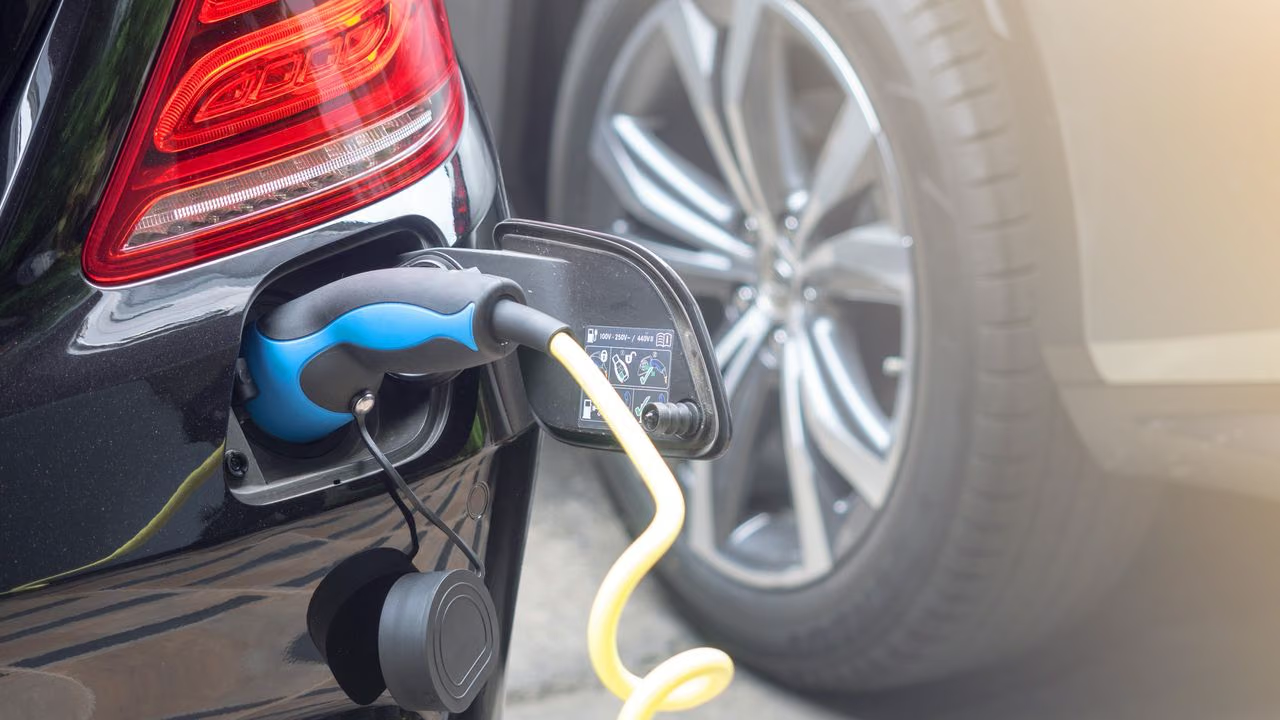
Types of electric vehicles (EVs): Battery Electric Vehicles (BEVs) vs. Plug-in Hybrid Electric Vehicles (PHEVs)
Electric vehicles (EVs) have become increasingly popular in recent years as more people are looking for sustainable transportation options. There are different types of EVs available in the market, including Battery Electric Vehicles (BEVs) and Plug-in Hybrid Electric Vehicles (PHEVs). Understanding the differences between these two types can help you make an informed decision when considering purchasing an electric vehicle.
Battery Electric Vehicles (BEVs)
Battery Electric Vehicles, also known as BEVs, are fully electric vehicles that run solely on electricity. These vehicles are powered by an electric motor and rely on a large battery pack to store the energy needed for operation. BEVs do not have an internal combustion engine and, therefore, produce zero tailpipe emissions.
One of the main advantages of BEVs is their environmental friendliness. Since they do not rely on fossil fuels for propulsion, they contribute significantly to reducing greenhouse gas emissions and improving air quality. Additionally, BEVs are typically more energy-efficient than traditional gasoline-powered vehicles, resulting in lower fuel costs for the owner.
However, one drawback of BEVs is their limited driving range. The range of a BEV depends on the capacity of its battery pack and can vary between models. While technological advancements have increased the range of BEVs in recent years, it is still a factor to consider, especially for long-distance travel.
Plug-in Hybrid Electric Vehicles (PHEVs)
Plug-in Hybrid Electric Vehicles, or PHEVs, combine the benefits of both electric and gasoline-powered vehicles. These vehicles have a dual powertrain, consisting of an electric motor and an internal combustion engine. PHEVs can be charged by plugging them into an electrical outlet, allowing them to run on electricity alone for a certain distance. Once the battery charge is depleted, the internal combustion engine kicks in, providing additional range.
One of the main advantages of PHEVs is their flexibility. The dual powertrain allows drivers to switch between electric and gasoline power, depending on their needs and the availability of charging infrastructure. PHEVs offer a longer driving range compared to BEVs, making them suitable for longer trips without the need for frequent recharging.
However, PHEVs still rely on gasoline as a backup power source, resulting in some tailpipe emissions. While they are generally more fuel-efficient than conventional vehicles, their environmental impact is higher compared to BEVs. Additionally, PHEVs tend to have a higher upfront cost compared to BEVs due to the complexity of their dual powertrain system.
Conclusion
When choosing between a Battery Electric Vehicle (BEV) and a Plug-in Hybrid Electric Vehicle (PHEV), it is essential to consider your driving needs, charging infrastructure availability, and environmental impact. If you have a shorter daily commute and access to charging facilities, a BEV might be the right choice for you. On the other hand, if you require a longer driving range and the flexibility of using gasoline as a backup, a PHEV might be a better fit.
Both BEVs and PHEVs contribute to reducing greenhouse gas emissions and dependence on fossil fuels, promoting a more sustainable future. As technology continues to advance, we can expect further improvements in battery capacity, charging infrastructure, and overall performance of electric vehicles.



