



Types of Electric Vehicles: BEVs vs. PHEVs – A Comparison
Types of Electric Vehicles (EVs): Battery Electric Vehicles (BEVs) vs. Plug-in Hybrid Electric Vehicles (PHEVs) Electric vehicles (EVs) are becoming…
By Rooks Hill Editorial3 min read
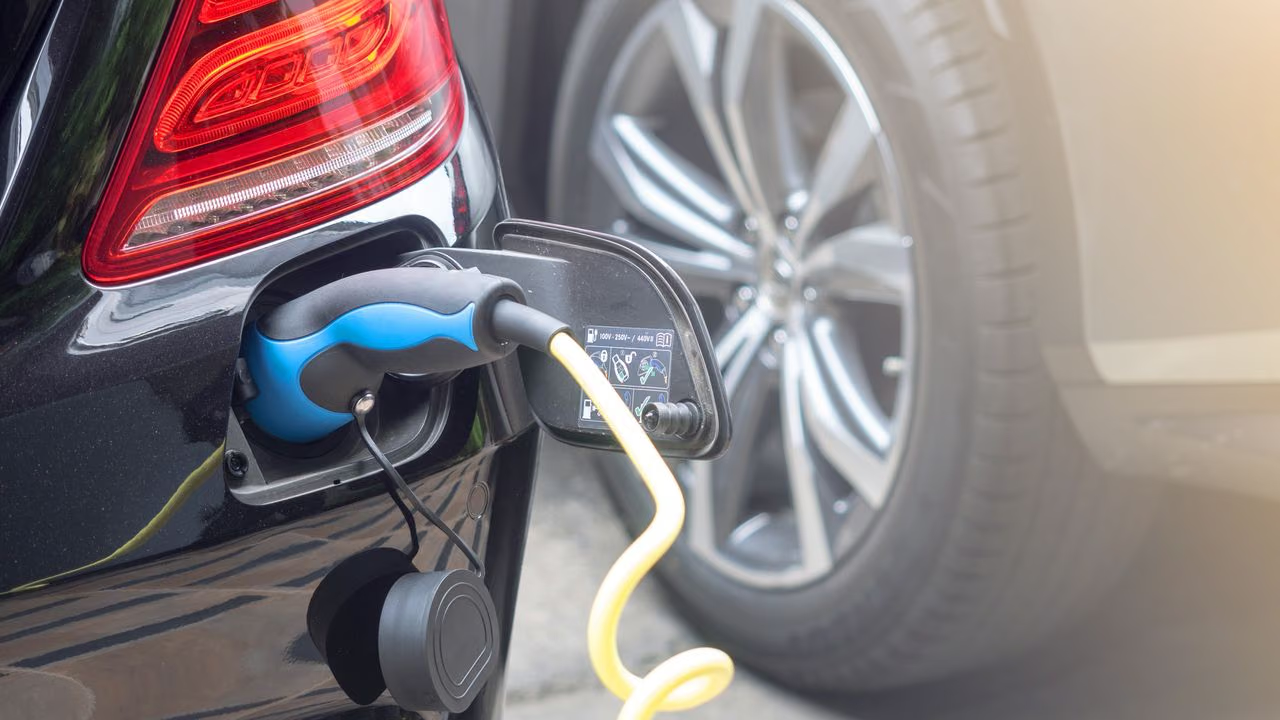
Types of Electric Vehicles (EVs): Battery Electric Vehicles (BEVs) vs. Plug-in Hybrid Electric Vehicles (PHEVs)
Electric vehicles (EVs) are becoming increasingly popular as the world shifts towards more sustainable transportation options. With advancements in technology, there are now different types of EVs available in the market. Two common types are Battery Electric Vehicles (BEVs) and Plug-in Hybrid Electric Vehicles (PHEVs). In this article, we will explore the differences between these two types of electric vehicles.
Battery Electric Vehicles (BEVs)
Battery Electric Vehicles, often referred to as BEVs, are fully electric vehicles that run solely on electricity. These vehicles are powered by an electric motor and rely on a large battery pack for energy storage. BEVs do not have an internal combustion engine and produce zero emissions while driving, making them a greener alternative to traditional gasoline-powered cars.
One of the main advantages of BEVs is their environmental friendliness. By eliminating the need for fossil fuels, BEVs contribute to reducing greenhouse gas emissions and improving air quality. Additionally, BEVs offer a smooth and quiet driving experience due to the absence of engine noise and vibrations.
However, one of the limitations of BEVs is their limited driving range. The range of a BEV depends on the capacity of its battery pack, and recharging the battery can take a significant amount of time. This makes long-distance travel challenging, especially in areas with limited charging infrastructure.
Plug-in Hybrid Electric Vehicles (PHEVs)
Plug-in Hybrid Electric Vehicles, commonly known as PHEVs, combine the benefits of both electric and gasoline-powered vehicles. PHEVs have a dual powertrain, consisting of an electric motor and an internal combustion engine. These vehicles can operate in electric mode, using the electric motor and battery, or switch to gasoline mode when the battery is depleted.
One of the advantages of PHEVs is their extended driving range. With the presence of an internal combustion engine, PHEVs can rely on gasoline as a backup power source, eliminating range anxiety. This makes PHEVs a suitable option for individuals who frequently travel long distances or have limited access to charging infrastructure.
Another advantage of PHEVs is their flexibility. The dual powertrain allows drivers to switch between electric and gasoline modes, depending on their needs and preferences. PHEVs can be charged using a standard electrical outlet or a dedicated charging station, providing convenience and versatility.
Vehicle Electrification
Both BEVs and PHEVs contribute to vehicle electrification, which is the process of transitioning from fossil fuel-powered vehicles to electric-powered vehicles. Vehicle electrification plays a crucial role in reducing greenhouse gas emissions and mitigating climate change.
As the technology continues to evolve, the driving range of BEVs is improving, and charging infrastructure is expanding. This addresses some of the limitations associated with BEVs, making them a viable option for more consumers. On the other hand, PHEVs offer a transitionary solution, allowing drivers to experience electric driving while having the flexibility of a gasoline backup.
Conclusion
In conclusion, both Battery Electric Vehicles (BEVs) and Plug-in Hybrid Electric Vehicles (PHEVs) are important contributors to vehicle electrification. BEVs offer zero-emission driving but have limited range and longer charging times. On the other hand, PHEVs provide extended range and flexibility but still rely on gasoline as a backup. The choice between BEVs and PHEVs depends on individual needs, driving habits, and the availability of charging infrastructure. Regardless of the type, electric vehicles are paving the way for a greener and more sustainable future of transportation.



