



Types of Electric Vehicles: BEVs vs PHEVs
Types of electric vehicles (EVs): Battery Electric Vehicles (BEVs) vs. Plug-in Hybrid Electric Vehicles (PHEVs) Electric vehicles (EVs) have gained…
By Rooks Hill Editorial3 min read
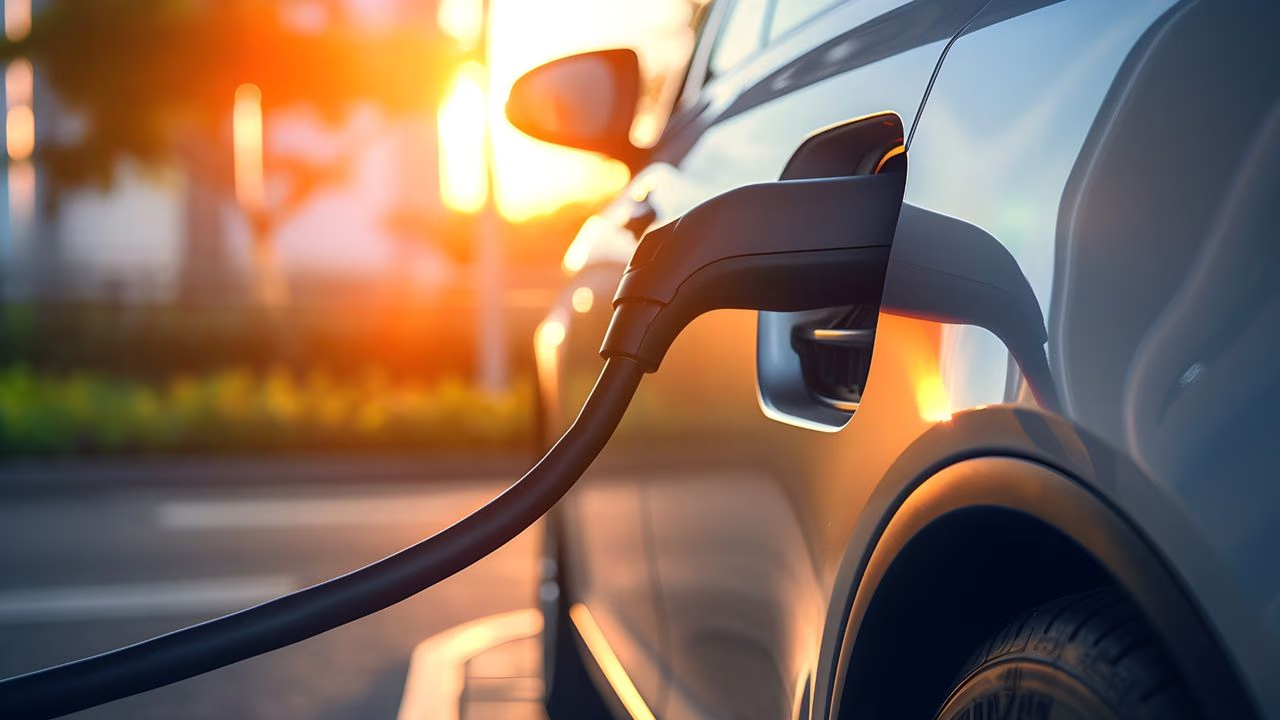
Types of electric vehicles (EVs): Battery Electric Vehicles (BEVs) vs. Plug-in Hybrid Electric Vehicles (PHEVs)
Electric vehicles (EVs) have gained significant popularity in recent years as a sustainable and eco-friendly alternative to traditional gasoline-powered cars. With advancements in technology, there are now various types of electric vehicles available in the market. Two common types of EVs are Battery Electric Vehicles (BEVs) and Plug-in Hybrid Electric Vehicles (PHEVs). While both are powered by electricity, they differ in terms of their powertrain and driving capabilities.
Battery Electric Vehicles (BEVs)
Battery Electric Vehicles, as the name suggests, rely solely on electric power stored in their batteries. They do not have an internal combustion engine and are powered entirely by an electric motor. BEVs are considered fully electric vehicles as they produce zero tailpipe emissions, making them a greener choice for environmentally conscious consumers.
One of the key advantages of BEVs is their simplicity. Without the need for a traditional engine, BEVs have fewer moving parts, resulting in lower maintenance costs. Additionally, BEVs offer a quiet and smooth driving experience due to the absence of engine noise and vibrations.
However, the main limitation of BEVs is their limited driving range. The range of a BEV depends on the capacity of its battery pack, which typically ranges from 100 to 300 miles. While this range is sufficient for daily commuting and short trips, it may not be suitable for long-distance travel without frequent charging stops.
Plug-in Hybrid Electric Vehicles (PHEVs)
Plug-in Hybrid Electric Vehicles combine the benefits of both electric and gasoline-powered vehicles. PHEVs have an electric motor and a battery pack, similar to BEVs, but they also have an internal combustion engine. This hybridization allows PHEVs to switch between electric and gasoline power, providing greater flexibility and extended driving range.
PHEVs offer different driving modes to optimize fuel efficiency and electric range. In all-electric mode, the vehicle runs solely on electric power, drawing energy from the battery pack. This mode is ideal for short commutes and city driving, where zero-emissions are desired. In hybrid mode, the vehicle utilizes both the electric motor and the internal combustion engine, providing extended range and increased power when needed. The hybrid mode is suitable for longer trips or situations where charging infrastructure is limited.
One of the advantages of PHEVs is their longer driving range compared to BEVs. The presence of an internal combustion engine allows PHEVs to rely on gasoline power when the battery is depleted, eliminating range anxiety. PHEVs can be charged using a standard electrical outlet or a dedicated charging station, offering convenience to owners.
However, PHEVs have a higher initial cost compared to BEVs due to the additional components required for the hybrid system. Additionally, PHEVs still produce tailpipe emissions when operating in hybrid mode, although they are generally lower compared to conventional gasoline vehicles.
Conclusion
Both Battery Electric Vehicles (BEVs) and Plug-in Hybrid Electric Vehicles (PHEVs) offer unique advantages and cater to different driving needs. BEVs are suitable for individuals with shorter commutes and access to charging infrastructure, prioritizing zero-emissions and lower maintenance costs. On the other hand, PHEVs provide a balance between electric and gasoline power, offering extended driving range and flexibility for longer trips or areas with limited charging infrastructure.
As the demand for electric vehicles continues to grow, advancements in technology are expected to improve the driving range and charging infrastructure, making EVs even more accessible and convenient for all consumers.



