



Transparent EV Charging Station Billing: Ensuring Compliance and Fairness
EV Charging Station Billing and Payments: Ensuring Transparency and Compliance As the popularity of electric vehicles (EVs) continues to rise, the need for…
By Rooks Hill Editorial3 min read
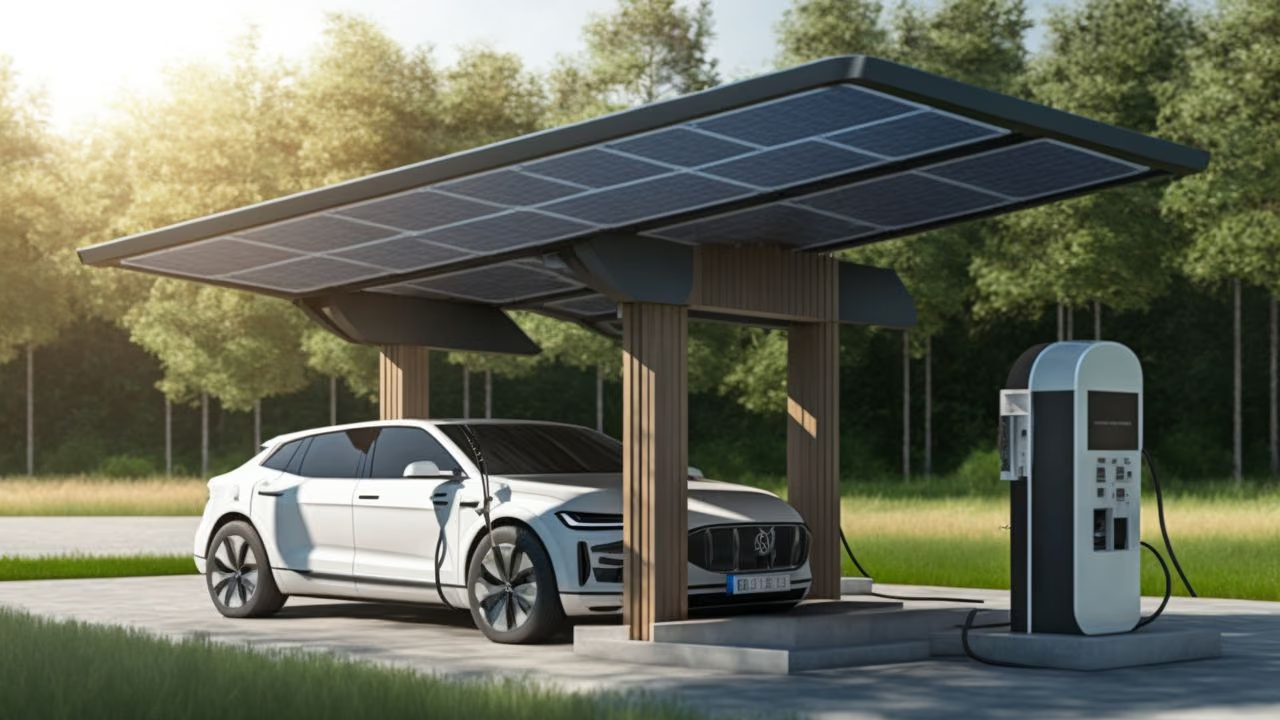
EV Charging Station Billing and Payments: Ensuring Transparency and Compliance
As the popularity of electric vehicles (EVs) continues to rise, the need for efficient and reliable charging infrastructure becomes paramount. EV charging station owners and operators play a crucial role in providing access to charging facilities, but they also face the challenge of implementing fair and transparent billing systems. In this article, we will explore the importance of charging station billing compliance, the significance of charging station billing transparency, and the different pricing models used in the industry.
Charging Station Billing Compliance
Ensuring charging station billing compliance is essential to maintain trust and fairness in the EV charging ecosystem. It involves adhering to local regulations and industry standards, such as accurately measuring the amount of electricity consumed during charging sessions and providing detailed invoices to customers.
By complying with these regulations, charging station owners can avoid legal issues and build a positive reputation among EV drivers. It is crucial to invest in reliable metering systems that accurately record the energy consumption, as any discrepancies can lead to customer dissatisfaction and potential disputes.
Charging Station Billing Transparency
Transparency in charging station billing is vital to establish trust between charging station operators and EV drivers. It involves providing clear and easily understandable information about the pricing structure, billing methods, and any additional fees associated with the charging service.
One way to achieve transparency is by displaying the pricing information prominently at the charging station and on associated mobile applications or websites. This allows EV drivers to make informed decisions about where and when to charge their vehicles based on the cost and availability of charging stations.
Additionally, providing real-time updates on charging session costs and sending detailed invoices to customers can further enhance transparency. This enables EV drivers to track their charging expenses and ensures that they are billed accurately for the services they receive.
Charging Station Pricing Models
There are several pricing models used in the EV charging industry, each with its own advantages and considerations. Here are some common pricing models:
- Flat Rate: Charging stations charge a fixed rate per charging session, regardless of the duration or amount of energy consumed. This model offers simplicity and predictability for EV drivers.
- Time-Based: Charging stations charge based on the duration of the charging session. This model is suitable for locations where EV drivers may need to charge for shorter periods.
- Energy-Based: Charging stations charge based on the amount of energy consumed during the charging session. This model ensures that customers pay for the actual electricity used, but it may require more complex metering systems.
- Membership/Subscription: Charging stations offer membership or subscription plans where EV drivers pay a monthly or annual fee to access discounted charging rates. This model encourages customer loyalty and can be beneficial for frequent users.
It is important for charging station operators to carefully consider their target audience, location, and operational costs when choosing a pricing model. By selecting the right model, they can strike a balance between profitability and affordability for EV drivers.
Conclusion
Ensuring compliance with charging station billing regulations, maintaining transparency in billing practices, and implementing suitable pricing models are crucial for the success of EV charging infrastructure. By prioritizing these aspects, charging station owners and operators can contribute to the growth of the EV industry and provide a seamless charging experience for all electric vehicle drivers.



