



The Role of Electric Cars in GHG Reduction
The Role of Electric Cars in Reducing Greenhouse Gas Emissions As the world grapples with the detrimental effects of climate change, finding sustainable…
By Rooks Hill Editorial3 min read
The Role of Electric Cars in Reducing Greenhouse Gas Emissions
As the world grapples with the detrimental effects of climate change, finding sustainable solutions to reduce greenhouse gas (GHG) emissions has become a top priority. One sector that has gained significant attention in recent years is transportation, which accounts for a substantial portion of global GHG emissions. Electric cars have emerged as a promising solution to combat air pollution and reduce our reliance on fossil fuels.
Air Pollution and its Impact
Air pollution is a major environmental concern that poses serious health risks to both humans and the planet. The burning of fossil fuels in traditional gasoline-powered vehicles releases harmful pollutants into the atmosphere, contributing to the formation of smog and the deterioration of air quality. These pollutants, such as nitrogen oxides (NOx) and particulate matter (PM), have been linked to respiratory diseases, cardiovascular problems, and even premature death.
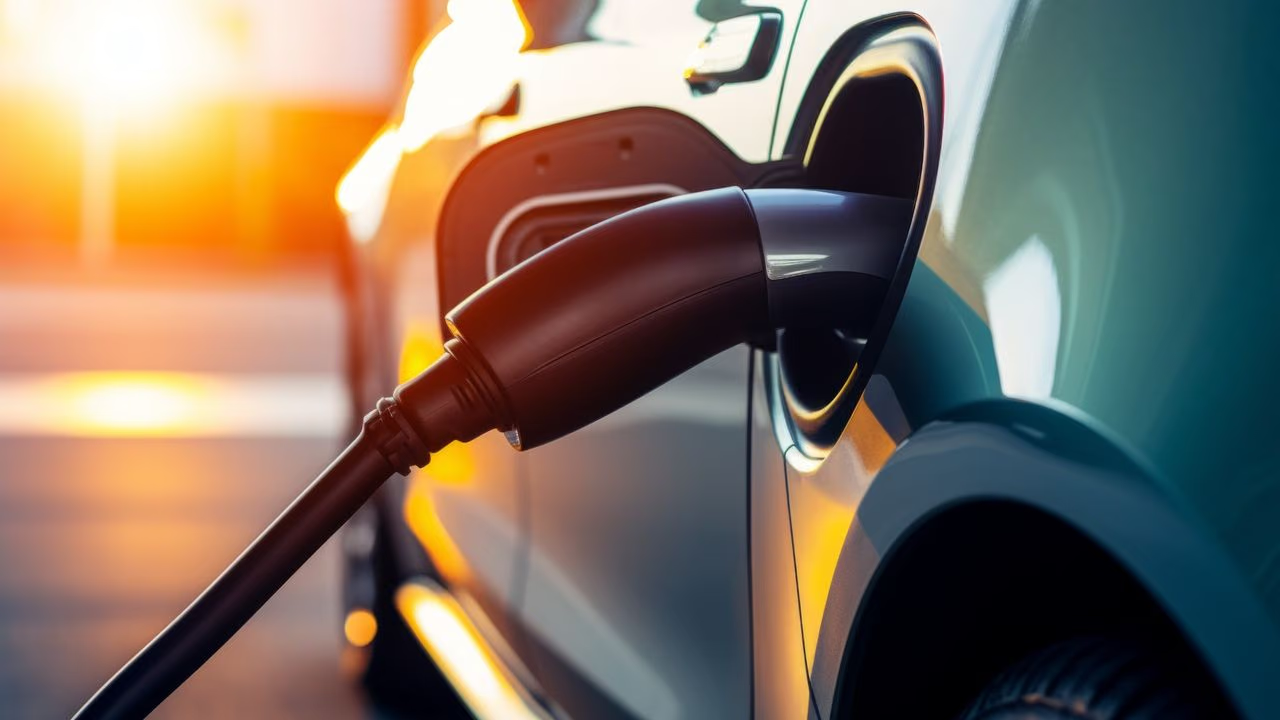
Electric cars, on the other hand, produce zero tailpipe emissions, meaning they do not release any pollutants into the air during operation. By replacing conventional vehicles with electric ones, we can significantly reduce air pollution and improve the quality of the air we breathe.
Reducing Greenhouse Gas Emissions
GHG emissions, particularly carbon dioxide (CO2), are the primary drivers of climate change. The combustion of fossil fuels in transportation is a major contributor to these emissions. Electric cars offer a viable alternative by utilizing renewable resources to power their engines.
Renewable resources, such as solar and wind energy, can be harnessed to generate electricity for charging electric vehicles. Unlike fossil fuels, which are finite and contribute to the accumulation of GHGs, renewable energy sources are sustainable and have a minimal carbon footprint. By transitioning to electric cars and adopting renewable energy sources, we can significantly reduce our dependence on fossil fuels and mitigate the impact of transportation on climate change.
The Benefits of Electric Cars
Aside from their positive environmental impact, electric cars offer several other benefits. Firstly, they are more energy-efficient compared to traditional vehicles. Electric motors convert a higher percentage of energy from the battery to power the wheels, resulting in less energy waste and increased efficiency.
Secondly, electric cars are quieter and produce less noise pollution. The absence of a combustion engine reduces the overall noise levels, making electric vehicles a more peaceful mode of transportation.
Furthermore, the maintenance and operational costs of electric cars are generally lower than those of conventional vehicles. Electric motors have fewer moving parts, reducing the need for regular maintenance and repairs. Additionally, the cost of electricity for charging electric cars is often lower than the cost of gasoline, resulting in potential long-term savings for owners.
The Road Ahead
While electric cars offer numerous benefits and have the potential to revolutionize the transportation sector, there are still challenges to overcome. The limited driving range of electric vehicles and the availability of charging infrastructure are among the key barriers to widespread adoption.
However, advancements in battery technology and the expansion of charging networks are addressing these concerns. The development of fast-charging stations and the increasing range of electric vehicles are making them a more viable option for everyday use.
In conclusion, electric cars play a crucial role in reducing GHG emissions and combating air pollution. By embracing renewable resources and transitioning to electric vehicles, we can create a cleaner and more sustainable future. Governments, industries, and individuals must work together to accelerate the adoption of electric cars and pave the way for a greener transportation system.



