



The Power of Vehicle-to-Grid (V2G) Technology: Energy Storage and Smart Grid Revolution
The Concept of Vehicle-to-Grid (V2G) Technology In recent years, the concept of Vehicle-to-Grid (V2G) technology has gained significant attention in the field…
By Rooks Hill Editorial3 min read
The Concept of Vehicle-to-Grid (V2G) Technology
In recent years, the concept of Vehicle-to-Grid (V2G) technology has gained significant attention in the field of energy storage and smart grid development. V2G technology allows electric vehicles (EVs) to not only consume energy but also to supply it back to the grid, creating a two-way flow of electricity. This innovative approach has the potential to revolutionize the way we store and distribute energy.
V2G Infrastructure
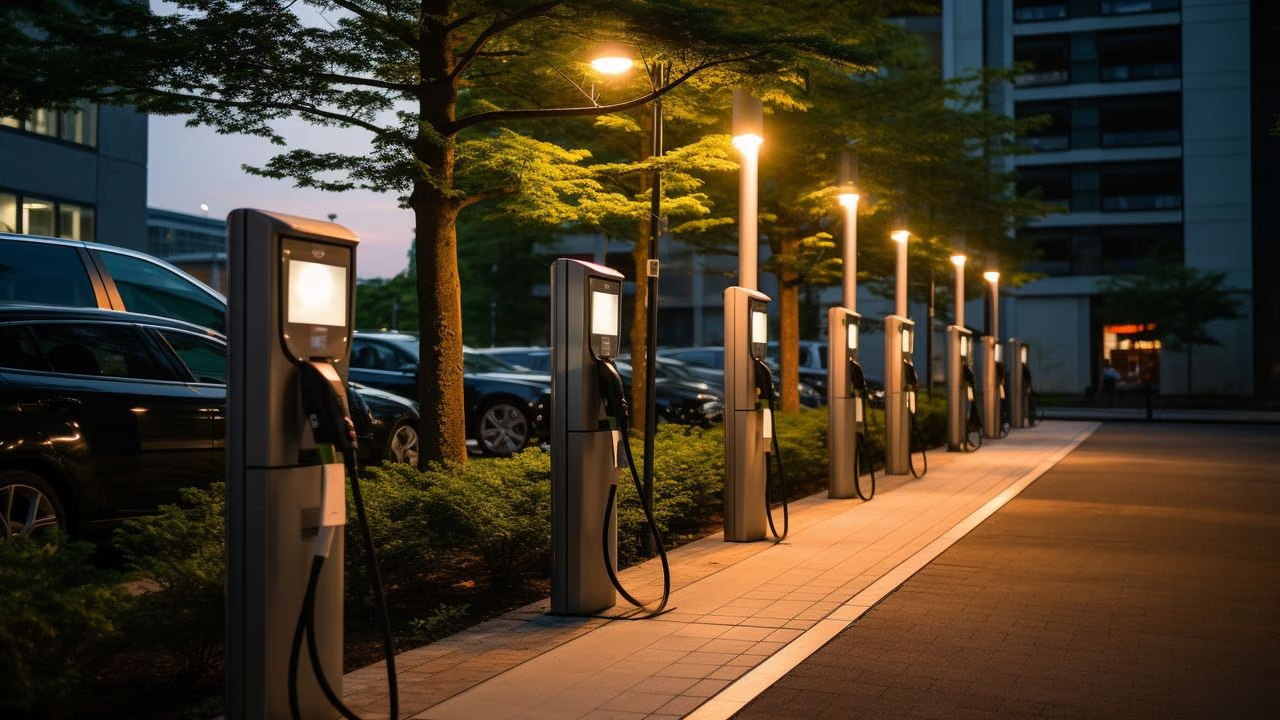
For V2G technology to work effectively, a robust infrastructure is required. This infrastructure includes charging stations equipped with bi-directional chargers that can both charge the EV’s battery and extract electricity from it. Additionally, advanced communication systems are needed to facilitate the exchange of information between the EVs, charging stations, and the grid.
The V2G infrastructure also involves the integration of software and hardware components that enable the coordination and control of energy flows. This ensures that the grid can efficiently manage the supply and demand of electricity, taking into account factors such as peak load periods and renewable energy generation.
Benefits of V2G Technology
V2G technology offers numerous benefits for both EV owners and the electricity grid:
- Energy Storage: EVs can serve as mobile energy storage units, allowing excess electricity to be stored in their batteries during periods of low demand and then fed back into the grid during peak hours. This helps to balance the fluctuations in energy supply and demand.
- Grid Stability: By leveraging the collective energy storage capacity of EVs, V2G technology can enhance the stability and reliability of the electricity grid. It can provide ancillary services such as frequency regulation and voltage support, reducing the need for traditional power plants to fulfill these functions.
- Renewable Energy Integration: V2G technology can facilitate the integration of renewable energy sources into the grid. EVs can store excess renewable energy generated during periods of high production and release it when renewable generation is low, ensuring a more consistent and reliable supply of clean energy.
- Cost Savings: EV owners can benefit financially from participating in V2G programs. By selling the stored electricity back to the grid during peak demand, EV owners can earn revenue or receive credits on their electricity bills, offsetting the cost of charging their vehicles.
Challenges and Future Outlook
While V2G technology holds great promise, several challenges need to be addressed for its widespread adoption:
- Battery Degradation: Frequent charging and discharging cycles can accelerate the degradation of EV batteries. Careful management and control of the charging/discharging process are necessary to minimize the impact on battery lifespan.
- Standardization: The development of common standards and protocols is crucial for interoperability between different EV models, charging stations, and grid operators. Standardization will ensure seamless communication and compatibility, enabling the widespread implementation of V2G technology.
- Regulatory Framework: The establishment of supportive policies and regulations is essential to incentivize the adoption of V2G technology. This includes mechanisms for fair compensation to EV owners for the electricity they supply to the grid and the creation of a favorable market environment.
Despite these challenges, the future outlook for V2G technology is promising. As the adoption of EVs continues to grow and renewable energy generation expands, V2G technology can play a crucial role in optimizing energy storage, enhancing grid stability, and accelerating the transition towards a sustainable energy future.



