



The Power of Electric Motors
Electric Motors and Their Benefits Electric motors have become increasingly popular in various industries due to their numerous benefits. Whether it’s in…
By Rooks Hill Editorial2 min read
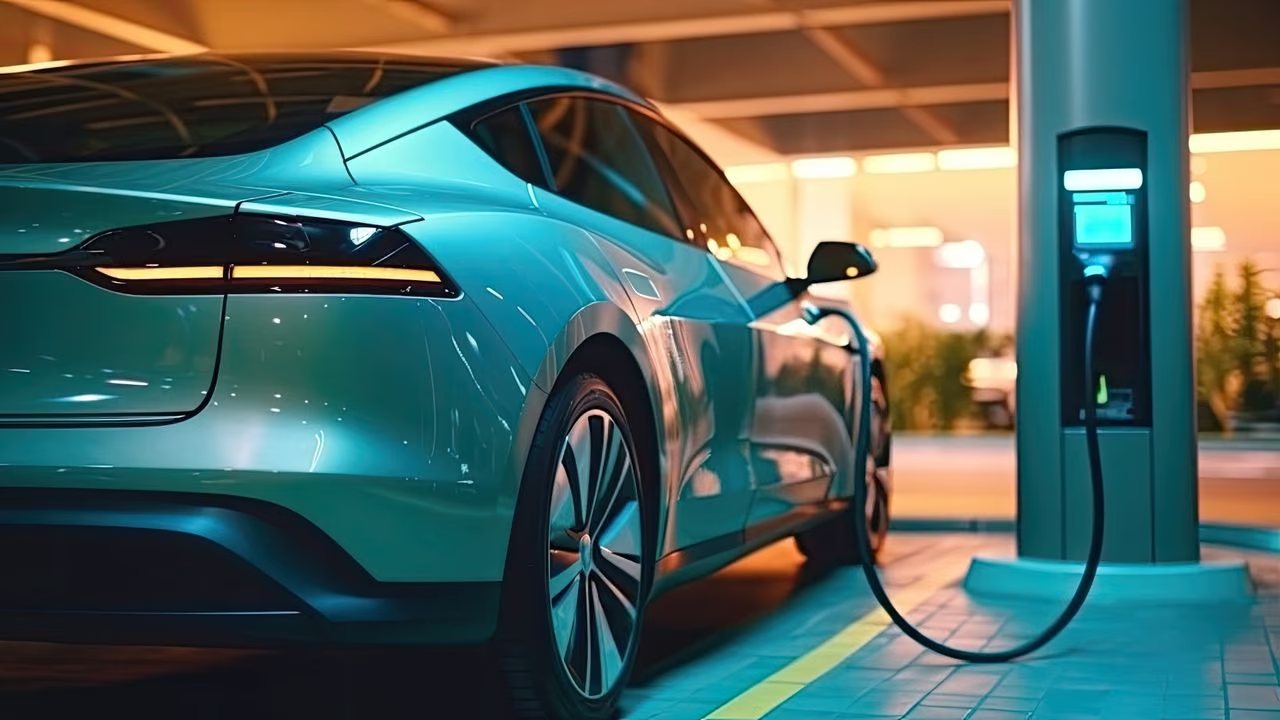
Electric Motors and Their Benefits
Electric motors have become increasingly popular in various industries due to their numerous benefits. Whether it’s in electric vehicles, industrial machinery, or household appliances, electric motors offer advantages that make them a preferred choice over traditional combustion engines. In this article, we will explore some of the key benefits of electric motors, including their power output, impact on electric vehicle performance, and maintenance-free operation.
1. Power Output
Electric motors are known for their impressive power output capabilities. Unlike combustion engines that rely on burning fuel to generate power, electric motors convert electrical energy into mechanical energy. This direct conversion allows electric motors to deliver high torque and instant acceleration, making them ideal for applications that require quick and efficient power delivery. Whether it’s accelerating an electric vehicle from 0 to 60 mph or powering heavy machinery, electric motors excel in delivering the necessary power.
2. Electric Vehicle Performance
One of the most significant advantages of electric motors is their positive impact on electric vehicle performance. Electric vehicles equipped with electric motors offer superior acceleration and smoother driving experiences compared to their gasoline-powered counterparts. The instant torque delivery of electric motors allows for quick acceleration, resulting in a thrilling driving experience. Additionally, electric motors provide precise control over power distribution, enabling better handling and maneuverability, especially in challenging road conditions.
3. Maintenance-Free Operation
Another notable benefit of electric motors is their maintenance-free operation. Unlike combustion engines that require regular oil changes, filter replacements, and other maintenance tasks, electric motors have significantly fewer moving parts and do not rely on complex internal combustion processes. This simplicity translates into reduced maintenance requirements and costs. Electric motors typically only require periodic inspections and minimal servicing, resulting in fewer downtimes and increased productivity in industrial applications.
Moreover, the absence of oil and other lubricants in electric motors eliminates the risk of leaks and spills, making them environmentally friendly and easier to handle. This aspect is particularly important in sensitive environments such as marine applications, where the risk of oil pollution can have severe consequences on marine life.
Conclusion
In conclusion, electric motors offer a range of benefits that make them a superior choice over traditional combustion engines. Their impressive power output, positive impact on electric vehicle performance, and maintenance-free operation make them ideal for various applications. As technology continues to advance, electric motors are expected to play an even more significant role in shaping a sustainable and efficient future.



