



The Nostalgic Comparison: Fast vs Slow Charging
Fast Charging vs. Slow Charging for Electric Vehicles: A Nostalgic Comparison As the world transitions towards a greener future, electric vehicles (EVs) have…
By Rooks Hill Editorial3 min read
Fast Charging vs. Slow Charging for Electric Vehicles: A Nostalgic Comparison
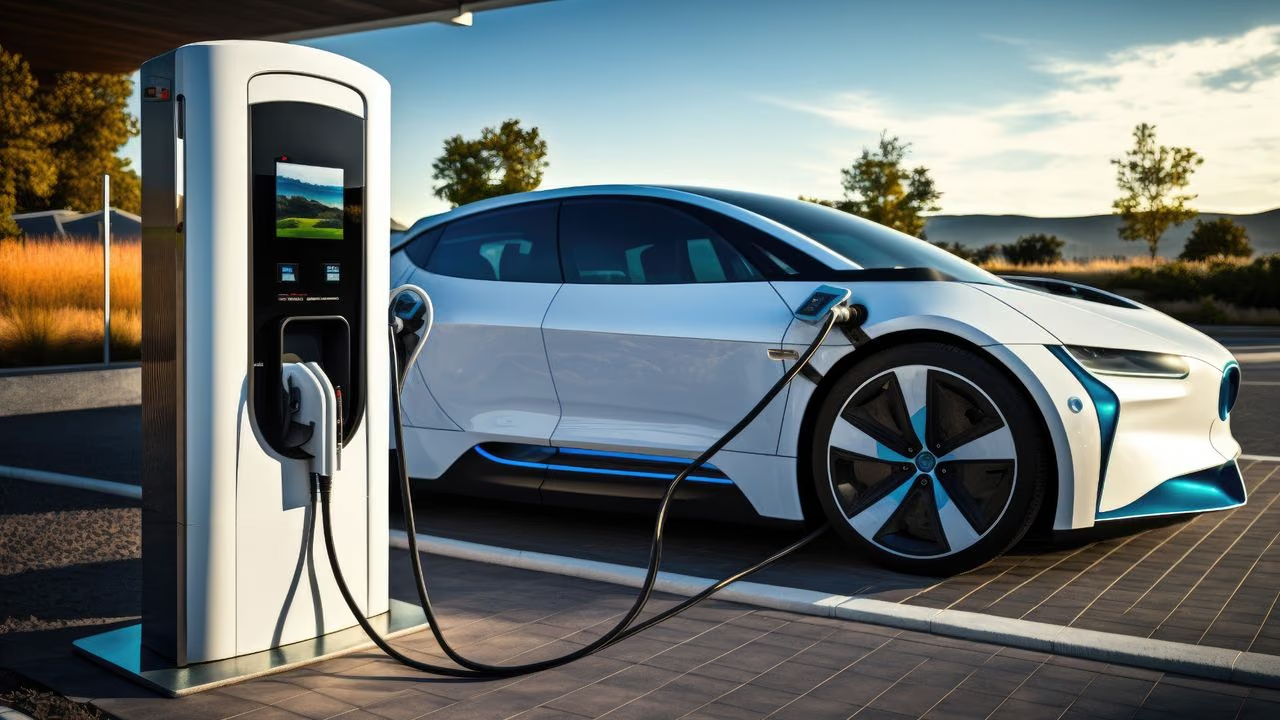
As the world transitions towards a greener future, electric vehicles (EVs) have become an increasingly popular choice for environmentally conscious individuals. With the rise of EVs, the debate between fast charging and slow charging has gained momentum. While fast charging offers convenience and shorter charging times, slow charging has its own merits, especially when it comes to long-distance travel. In this article, we will delve into the nostalgic comparison of fast charging and slow charging for electric vehicles.
The Rise of Fast Charging
Fast charging, also known as level 3 or DC (direct current) charging, has revolutionized the EV charging landscape. With fast charging stations becoming more prevalent, EV owners can now recharge their vehicles in a matter of minutes rather than hours. This convenience has significantly reduced the range anxiety that was once associated with electric vehicles.
One of the key advantages of fast charging is its ability to cater to long-distance travel. EV drivers can now embark on road trips with confidence, knowing that they can quickly recharge their vehicles at strategically placed fast charging stations along their route. This has opened up a world of possibilities for electric vehicle enthusiasts, reminiscent of the golden age of road trips.
The Nostalgia of Slow Charging
While fast charging may be the epitome of convenience, slow charging, also known as level 2 or AC (alternating current) charging, has its own charm. Slow charging typically takes several hours to fully recharge an electric vehicle, but it offers a sense of nostalgia and simplicity that resonates with many.
Imagine arriving home after a long day, plugging in your electric vehicle, and waking up the next morning to a fully charged car. This slow and steady approach to charging brings back memories of a time when patience was a virtue and instant gratification was not the norm. It harkens back to a simpler era, where taking the time to recharge was seen as an opportunity for relaxation and reflection.
The Emergence of Ultra-Fast Charging
As technology continues to advance, a new player has entered the charging arena: ultra-fast charging. This next-generation charging technology promises even shorter charging times, rivaling the refueling experience of traditional gasoline-powered vehicles. With ultra-fast charging, EV owners can recharge their vehicles in a matter of minutes, further blurring the line between electric and internal combustion engines.
While ultra-fast charging holds great promise, it also raises concerns about the strain it may put on the electrical grid and the longevity of the EV battery. These considerations add a layer of complexity to the nostalgic debate between fast and slow charging. As we embrace the future, it is important to strike a balance between convenience and sustainability.
In Conclusion
The debate between fast charging and slow charging for electric vehicles is a nostalgic one, evoking memories of road trips, simplicity, and patience. Fast charging offers unparalleled convenience and is ideal for long-distance travel, while slow charging brings back a sense of nostalgia and simplicity. As technology continues to evolve, ultra-fast charging emerges as a potential game-changer, but it also raises concerns about sustainability. Ultimately, the choice between fast charging and slow charging depends on individual preferences and requirements.
- Fast charging offers convenience and shorter charging times, perfect for long-distance travel.
- Slow charging brings back a sense of nostalgia and simplicity, reminiscent of a bygone era.
- Ultra-fast charging holds great promise but raises concerns about sustainability and battery longevity.
Whether you prefer the convenience of fast charging or the nostalgia of slow charging, the future of electric vehicles is undoubtedly exciting. As technology continues to advance, we can expect further innovations in charging infrastructure and battery technology, making EVs an even more viable and sustainable transportation option.



