



The Future of Transportation: Autonomous Electric Cars
Autonomous Driving and Electric Cars: Revolutionizing the Future of Transportation The world of transportation is undergoing a major transformation with the…
By Rooks Hill Editorial3 min read
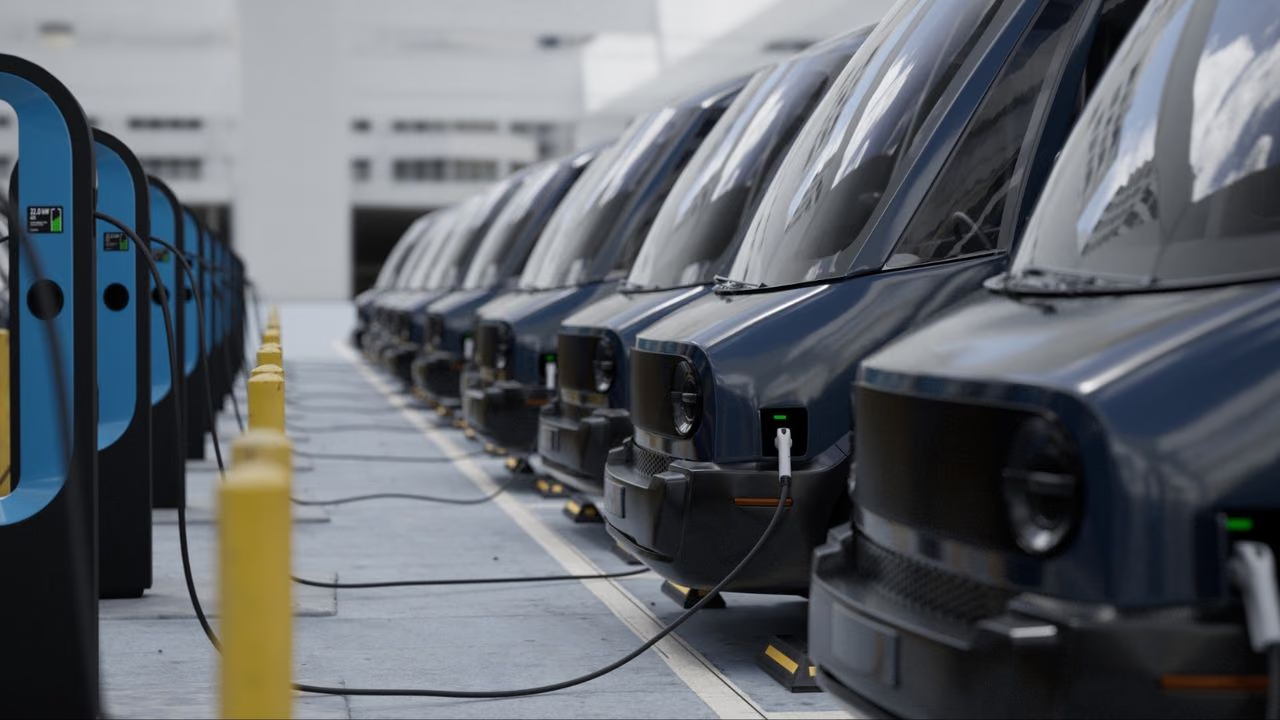
Autonomous Driving and Electric Cars: Revolutionizing the Future of Transportation
The world of transportation is undergoing a major transformation with the advent of autonomous driving and electric cars. These innovative technologies are set to revolutionize the way we commute, making transportation safer, more efficient, and environmentally friendly. In this article, we will delve into the fascinating world of autonomous vehicles, explore the regulations surrounding their implementation, and discuss the concept of level 5 autonomy and driverless technology.
Autonomous Vehicle Regulations
As autonomous vehicles become more prevalent on our roads, it is crucial to establish regulations to ensure their safe and responsible use. Governments and regulatory bodies around the world are actively working on developing frameworks to govern the operation of autonomous vehicles. These regulations cover aspects such as safety standards, liability issues, and data privacy.
One of the main challenges in regulating autonomous vehicles is striking a balance between encouraging innovation and ensuring public safety. Stricter regulations may slow down the development and deployment of autonomous vehicles, while lenient regulations may compromise safety. Finding the right balance is essential to harness the full potential of this technology.
Level 5 Autonomy: The Holy Grail of Autonomous Driving
Level 5 autonomy refers to the highest level of automation in autonomous driving, where a vehicle is capable of operating in any driving scenario without human intervention. Achieving level 5 autonomy is the ultimate goal for autonomous vehicle manufacturers and technology companies.
To achieve level 5 autonomy, vehicles must be equipped with advanced sensors, artificial intelligence algorithms, and robust computing power. These technologies enable the vehicle to perceive its surroundings, make real-time decisions, and navigate complex road conditions. While significant progress has been made, there are still technical and regulatory challenges to overcome before level 5 autonomy becomes a reality.
The Rise of Driverless Technology
Driverless technology is at the core of autonomous vehicles. It encompasses a wide range of technologies, including sensors, cameras, radar systems, and advanced algorithms. These technologies work together to enable vehicles to operate without human intervention.
One of the key advantages of driverless technology is its potential to significantly reduce accidents caused by human error. According to the World Health Organization, over 1.35 million people die each year in road traffic accidents. Autonomous vehicles have the potential to greatly reduce this number by eliminating human error from the equation.
Additionally, driverless technology has the potential to revolutionize transportation services. Companies like Uber and Lyft are already exploring the use of autonomous vehicles for ride-hailing services. This could lead to a future where car ownership becomes less prevalent, and transportation becomes more accessible and affordable for everyone.
The Future is Electric
Electric cars are an integral part of the autonomous driving revolution. The shift towards electric vehicles (EVs) is driven by the need to reduce greenhouse gas emissions and combat climate change. Electric cars produce zero tailpipe emissions, making them a cleaner and more sustainable alternative to traditional gasoline-powered vehicles.
Furthermore, the synergy between electric cars and autonomous driving is undeniable. Electric cars have fewer moving parts and require less maintenance compared to internal combustion engine vehicles. This makes them well-suited for autonomous driving, as the technology can be seamlessly integrated into the vehicle’s electric architecture.
In conclusion, autonomous driving and electric cars are set to transform the future of transportation. The development of regulations, the pursuit of level 5 autonomy, and the rise of driverless technology are all driving this revolution. As we move towards a future where autonomous vehicles are the norm, we can expect safer roads, reduced emissions, and a more efficient transportation system.



