



The Future of Mobility: Autonomous Electric Cars
Autonomous Driving and Electric Cars: A Nostalgic Journey into the Future Remember the days when driving a car meant being in full control of every turn…
By Rooks Hill Editorial3 min read
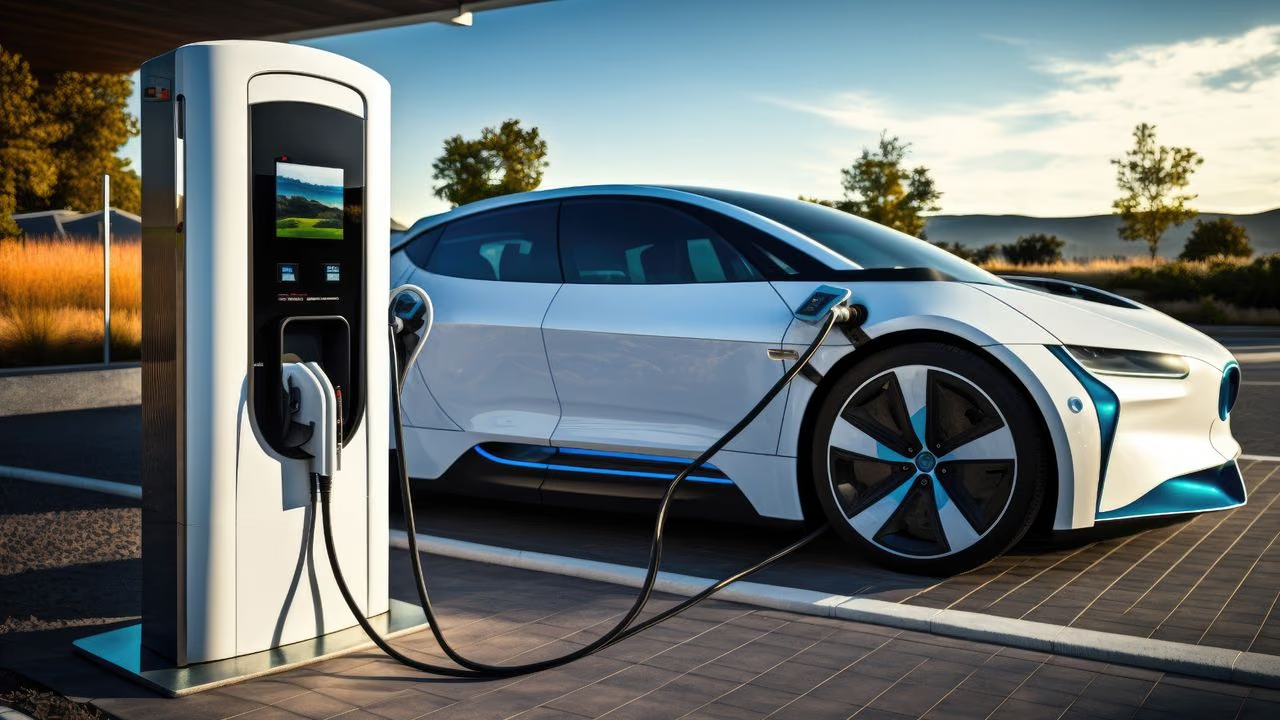
Autonomous Driving and Electric Cars: A Nostalgic Journey into the Future
Remember the days when driving a car meant being in full control of every turn, every acceleration, and every brake? The feeling of freedom and independence as we hit the open road, with the wind in our hair and the sound of the engine roaring beneath us, is something many of us hold dear. However, as we enter the era of autonomous driving and electric cars, these nostalgic moments are becoming a thing of the past.
Autonomous driving, also known as self-driving or driverless technology, is rapidly transforming the automotive industry. With the advancements in artificial intelligence and sensor technology, cars are now capable of navigating themselves without human intervention. Electric cars, on the other hand, are revolutionizing the way we power our vehicles, reducing our reliance on fossil fuels and minimizing our carbon footprint.
Ride-Sharing: A New Era of Mobility
One of the most significant impacts of autonomous driving and electric cars is the rise of ride-sharing services. Companies like Uber and Lyft have already disrupted the traditional taxi industry, but with autonomous vehicles, the game is taken to a whole new level. Imagine a future where you can summon a driverless car with a simple tap on your smartphone, and it arrives at your doorstep to whisk you away to your destination.
Ride-sharing not only offers convenience and efficiency but also has the potential to reduce traffic congestion and the number of cars on the road. With autonomous vehicles constantly in motion, picking up and dropping off passengers, the need for parking spaces is significantly reduced. This opens up opportunities for repurposing parking lots into green spaces or other community amenities, transforming our cities into smart cities.
Smart Cities: Where Technology Meets Sustainability
Smart cities are a concept that combines technology, sustainability, and urban planning to create more efficient and livable communities. Autonomous driving and electric cars play a crucial role in the development of smart cities. With driverless technology, traffic flow can be optimized, reducing congestion and improving overall transportation efficiency.
Electric cars, powered by clean energy sources, contribute to reducing air pollution and greenhouse gas emissions, making our cities healthier and more environmentally friendly. Additionally, the integration of renewable energy sources, such as solar panels, into the charging infrastructure for electric vehicles further enhances the sustainability of smart cities.
The Nostalgia of Driving
While the benefits of autonomous driving and electric cars are undeniable, there is a certain nostalgia associated with being behind the wheel. The feeling of control, the connection between man and machine, is something that many car enthusiasts cherish. However, as technology continues to advance, it is essential to embrace the opportunities it presents rather than resisting change.
The future of transportation lies in a harmonious blend of autonomous driving, electric cars, and sustainable urban planning. By embracing these advancements, we can create a future where mobility is efficient, environmentally friendly, and accessible to all.
Conclusion
In conclusion, the era of autonomous driving and electric cars is upon us, bringing with it a wave of change and innovation. Ride-sharing services powered by driverless technology are reshaping the way we move around our cities, while the concept of smart cities combines technology and sustainability for a better future. As we embark on this nostalgic journey into the future, let us embrace the possibilities and work towards creating a world where autonomous driving and electric cars coexist harmoniously.



