



The Future of Electric Cars: Sustainable Mobility
The Future of Electric Cars and E-Mobility In recent years, there has been a significant shift towards sustainable transportation, with electric cars and…
By Rooks Hill Editorial3 min read
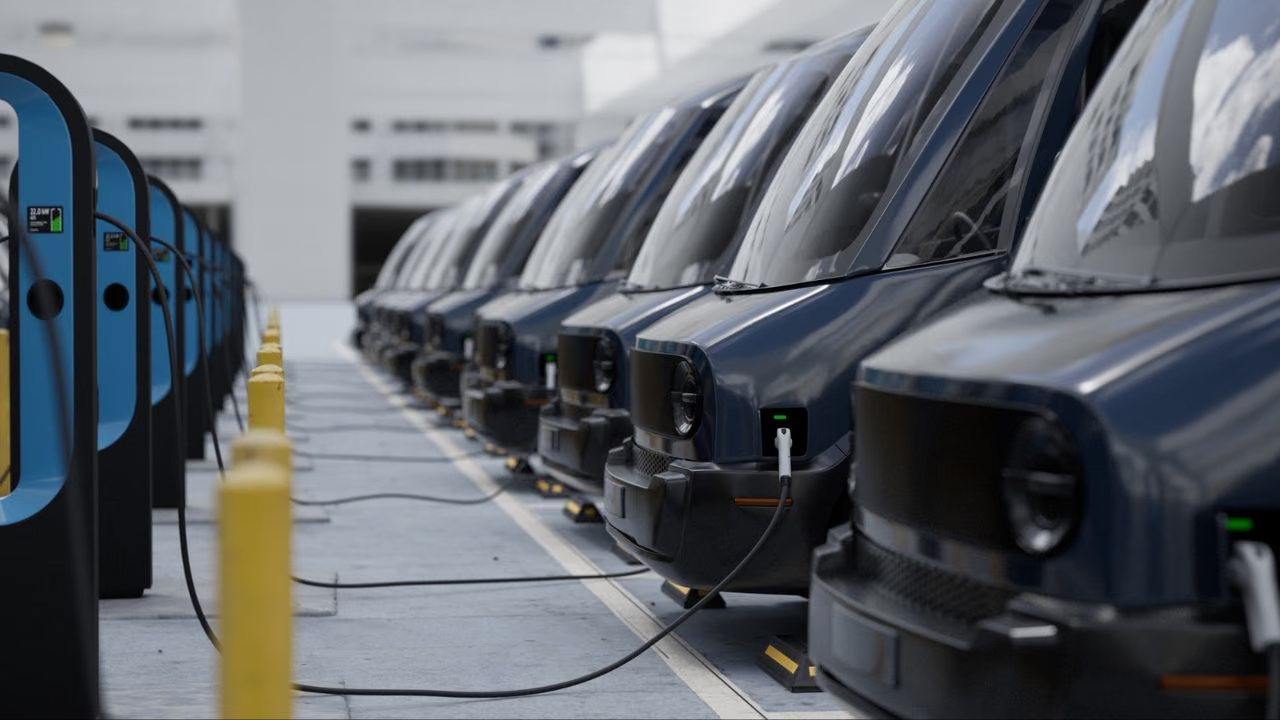
The Future of Electric Cars and E-Mobility
In recent years, there has been a significant shift towards sustainable transportation, with electric cars and e-mobility playing a crucial role. As the world embraces renewable energy integration and seeks to reduce its carbon footprint, the future of electric cars looks promising. This article explores the growth of the EV market and its impact on sustainable transportation.
Renewable Energy Integration
One of the key drivers behind the future of electric cars is the integration of renewable energy sources. As countries strive to reduce their dependence on fossil fuels, renewable energy, such as solar and wind power, is becoming increasingly popular. Electric cars can be charged using electricity generated from these renewable sources, making them a cleaner and more sustainable mode of transportation.
Renewable energy integration not only reduces greenhouse gas emissions but also helps to address the issue of air pollution in urban areas. Electric cars produce zero tailpipe emissions, improving air quality and promoting a healthier environment for both urban dwellers and the planet as a whole.
EV Market Growth
The electric vehicle market has experienced significant growth in recent years. Advancements in technology, coupled with government incentives and increased consumer awareness, have contributed to this growth. According to a report by BloombergNEF, global electric vehicle sales are expected to reach 8.5 million units by 2025, representing a compound annual growth rate of 28%.
Several factors are driving the growth of the EV market. Firstly, the declining cost of battery technology has made electric cars more affordable and accessible to a wider range of consumers. Additionally, the expansion of charging infrastructure, including public charging stations and home charging solutions, has alleviated range anxiety and increased the convenience of owning an electric car.
Furthermore, stricter emission regulations imposed by governments worldwide have incentivized automakers to invest in electric vehicle development. Many countries have set targets to phase out the production and sale of internal combustion engine vehicles, further driving the demand for electric cars.
Sustainable Transportation
Electric cars play a vital role in achieving sustainable transportation. They offer a cleaner alternative to traditional gasoline-powered vehicles, reducing greenhouse gas emissions and reliance on fossil fuels. By transitioning to electric cars, we can significantly contribute to mitigating climate change and creating a more sustainable future.
In addition to reducing emissions, electric cars also have the potential to integrate with other sustainable transportation solutions. For instance, electric vehicles can be used in conjunction with ride-sharing services, reducing the number of cars on the road and promoting more efficient use of resources.
Moreover, electric cars can be integrated into smart grid systems, allowing for vehicle-to-grid (V2G) technology. This technology enables electric vehicles to store excess energy and feed it back into the grid during peak demand periods. By utilizing the battery capacity of electric cars, we can better manage energy distribution and enhance grid stability.
Conclusion
The future of electric cars and e-mobility looks promising, thanks to renewable energy integration, the growth of the EV market, and the potential for sustainable transportation. As we continue to prioritize sustainability and reduce our carbon footprint, electric cars will play a crucial role in achieving a cleaner and greener future.



