



The Future of Electric Cars and E-Mobility: Sustainable Transformation
The Future of Electric Cars and E-Mobility In recent years, there has been a significant shift towards sustainable transportation, with electric cars and…
By Rooks Hill Editorial3 min read
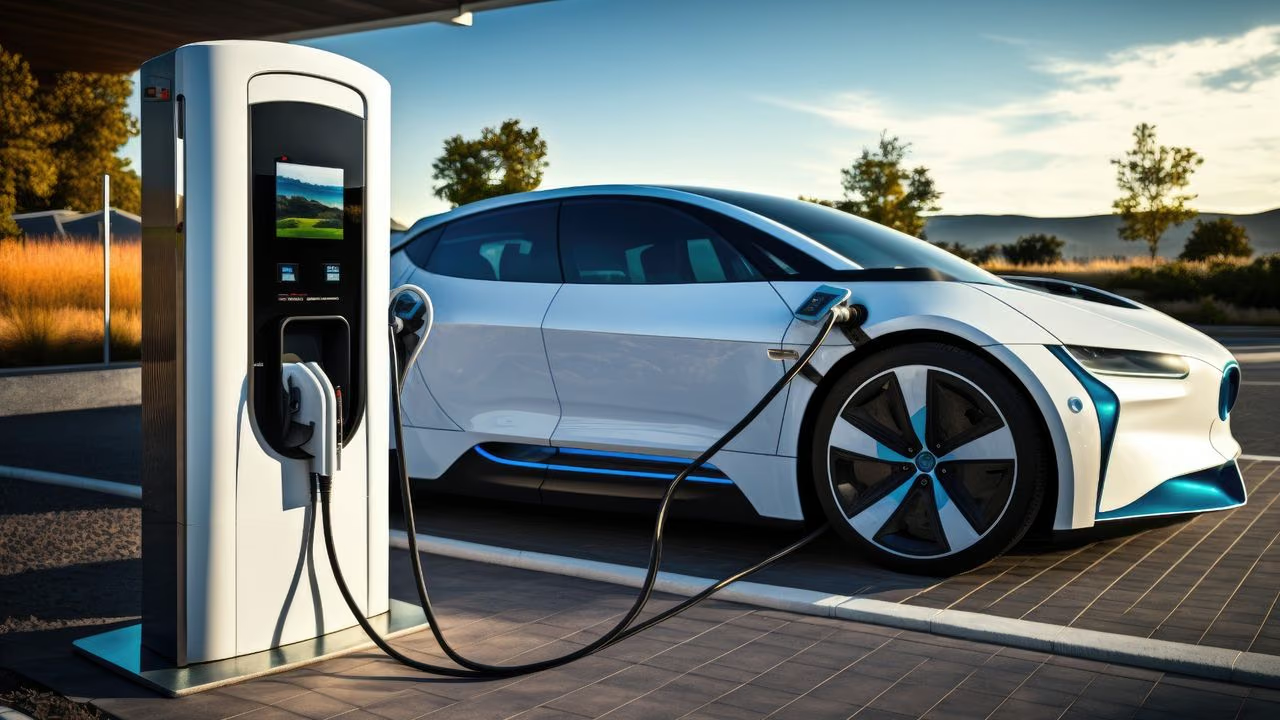
The Future of Electric Cars and E-Mobility
In recent years, there has been a significant shift towards sustainable transportation, with electric cars and e-mobility playing a crucial role. As the world becomes more conscious of the environmental impact of traditional vehicles, electrification initiatives have gained momentum, paving the way for a cleaner and greener future.
Mobility-as-a-Service (MaaS)
One of the key trends shaping the future of electric cars and e-mobility is the concept of Mobility-as-a-Service (MaaS). MaaS refers to the integration of various transportation services into a single platform, allowing users to access and pay for different modes of transportation seamlessly.
With the rise of electric cars, MaaS platforms are increasingly incorporating electric vehicle (EV) options. This integration not only provides users with more sustainable transportation choices but also promotes the adoption of electric cars on a larger scale. By making EVs easily accessible through MaaS, more people can experience the benefits of electric mobility without the need for car ownership.
Electrification Initiatives
Governments and organizations worldwide are actively promoting electrification initiatives to accelerate the transition to electric cars and e-mobility. These initiatives include financial incentives, infrastructure development, and policy changes aimed at making electric vehicles more affordable, convenient, and accessible.
Financial incentives, such as tax credits and rebates, help reduce the upfront cost of purchasing an electric car. This makes EVs more attractive to consumers and encourages them to choose electric over conventional vehicles. Additionally, governments are investing in the expansion of charging infrastructure, ensuring that EV owners have convenient access to charging stations, further alleviating range anxiety.
Moreover, policy changes are being implemented to support the electrification of public transportation and commercial fleets. By transitioning buses, taxis, and delivery vehicles to electric, cities can significantly reduce emissions and improve air quality. These initiatives not only benefit the environment but also contribute to the overall growth of e-mobility.
Renewable Energy Integration
As electric cars become more prevalent, the integration of renewable energy sources becomes crucial. Renewable energy integration ensures that the electricity used to charge electric vehicles comes from sustainable sources, further reducing carbon emissions and dependence on fossil fuels.
Many countries are investing in renewable energy infrastructure, such as solar and wind farms, to support the growing demand for clean electricity. By coupling the expansion of renewable energy with the adoption of electric cars, a synergistic relationship is formed, where sustainable transportation is powered by sustainable energy.
Furthermore, smart grid technologies are being developed to optimize the charging process of electric vehicles. These technologies allow for the efficient utilization of renewable energy by charging EVs during periods of high renewable energy generation. This not only reduces the strain on the grid but also maximizes the environmental benefits of electric cars.
Conclusion
The future of electric cars and e-mobility looks promising. With the integration of Mobility-as-a-Service platforms, electrification initiatives, and renewable energy integration, the transition to sustainable transportation is well underway. As more people embrace electric cars and governments continue to support the necessary infrastructure and policies, a cleaner and greener future is within reach.



