



The Future of Electric Cars and E-Mobility: Battery Breakthroughs and Urban Mobility
The Future of Electric Cars and E-Mobility: Battery Breakthroughs, Urban Mobility, and More Electric cars and e-mobility are the future of transportation…
By Rooks Hill Editorial3 min read
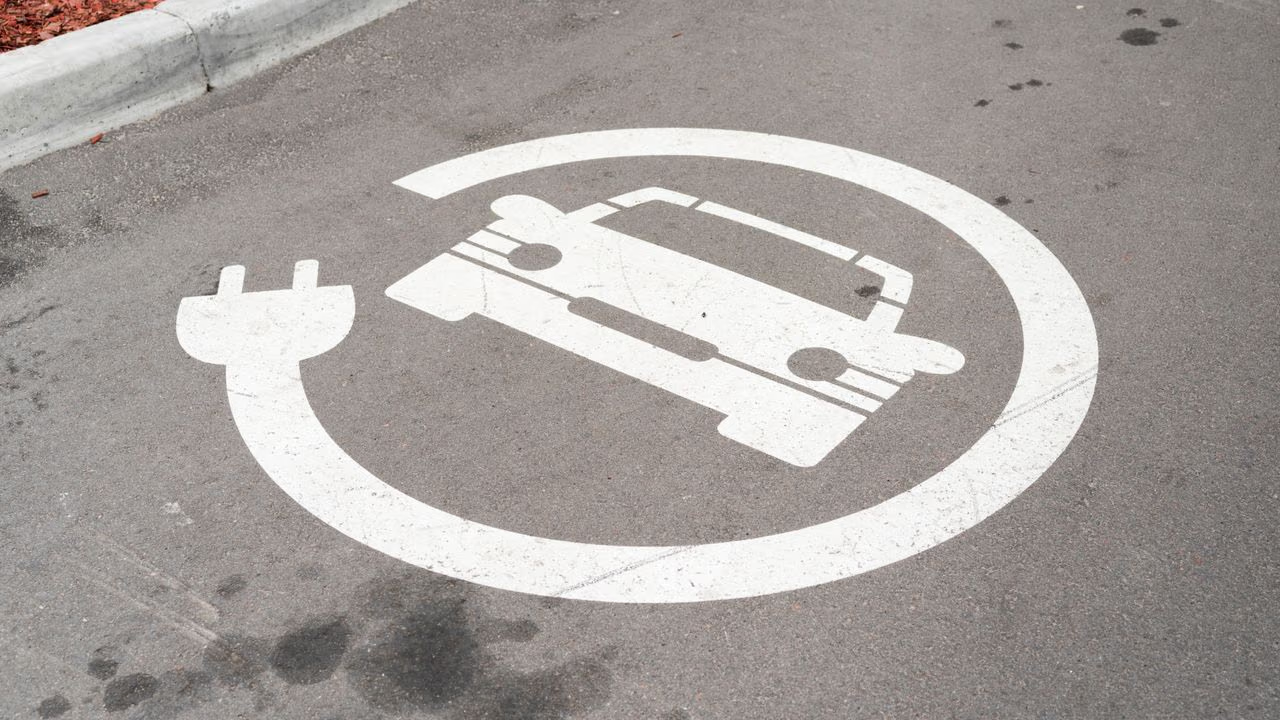
The Future of Electric Cars and E-Mobility: Battery Breakthroughs, Urban Mobility, and More
Electric cars and e-mobility are the future of transportation. With the rise of climate change and the need for sustainable transportation, electric cars and e-mobility are becoming more popular than ever before. In this article, we will discuss the future of electric cars and e-mobility, including battery breakthroughs, urban mobility, and more.
Battery Breakthroughs
One of the biggest challenges facing electric cars and e-mobility is the battery technology. Batteries are expensive, heavy, and take a long time to charge. However, there have been some recent breakthroughs in battery technology that could change the game. Scientists are working on developing batteries that are lighter, cheaper, and faster to charge. Some of the breakthroughs include:
- Solid-state batteries: These batteries use a solid electrolyte instead of a liquid one, making them safer and more efficient.
- Lithium-sulfur batteries: These batteries have a higher energy density than lithium-ion batteries, which means they can store more energy in the same amount of space.
- Flow batteries: These batteries use a liquid electrolyte that can be easily replaced, making them ideal for long-distance travel.
These breakthroughs in battery technology could make electric cars and e-mobility more accessible and affordable for everyone.
Urban Mobility
Another trend in e-mobility is the rise of urban mobility. As more people move to cities, there is a growing need for sustainable transportation options. Electric cars and e-bikes are becoming more popular in urban areas because they are quiet, emission-free, and easy to park. In addition, many cities are investing in public transportation systems that run on electricity, such as electric buses and trains.
One of the challenges facing urban mobility is the lack of charging infrastructure. However, many cities are investing in charging stations and other infrastructure to support electric cars and e-bikes. In addition, some companies are developing innovative solutions, such as wireless charging pads that can charge electric cars while they are parked.
The Role of Governments and Regulations
Finally, the future of electric cars and e-mobility will depend on the role of governments and regulations. Many governments around the world are investing in electric cars and e-mobility, offering tax incentives and subsidies to encourage people to switch to electric vehicles. In addition, many countries are setting ambitious targets for reducing greenhouse gas emissions, which will require a shift towards electric cars and e-mobility.
However, there are also challenges facing the adoption of electric cars and e-mobility. For example, some countries have limited charging infrastructure, and there are concerns about the environmental impact of producing batteries and other components for electric cars. Governments will need to work together to address these challenges and create a sustainable future for electric cars and e-mobility.
Conclusion
The future of electric cars and e-mobility is bright. With battery breakthroughs, urban mobility, and government support, electric cars and e-mobility are becoming more accessible and affordable for everyone. However, there are still challenges to overcome, and governments will need to work together to create a sustainable future for transportation. The future of electric cars and e-mobility is exciting, and we can’t wait to see what the future holds.



