



The Future of Electric Cars and E-Mobility: A Green Revolution
The Future of Electric Cars and E-Mobility Electric cars have become increasingly popular in recent years, and the future of e-mobility looks promising. With…
By Rooks Hill Editorial3 min read
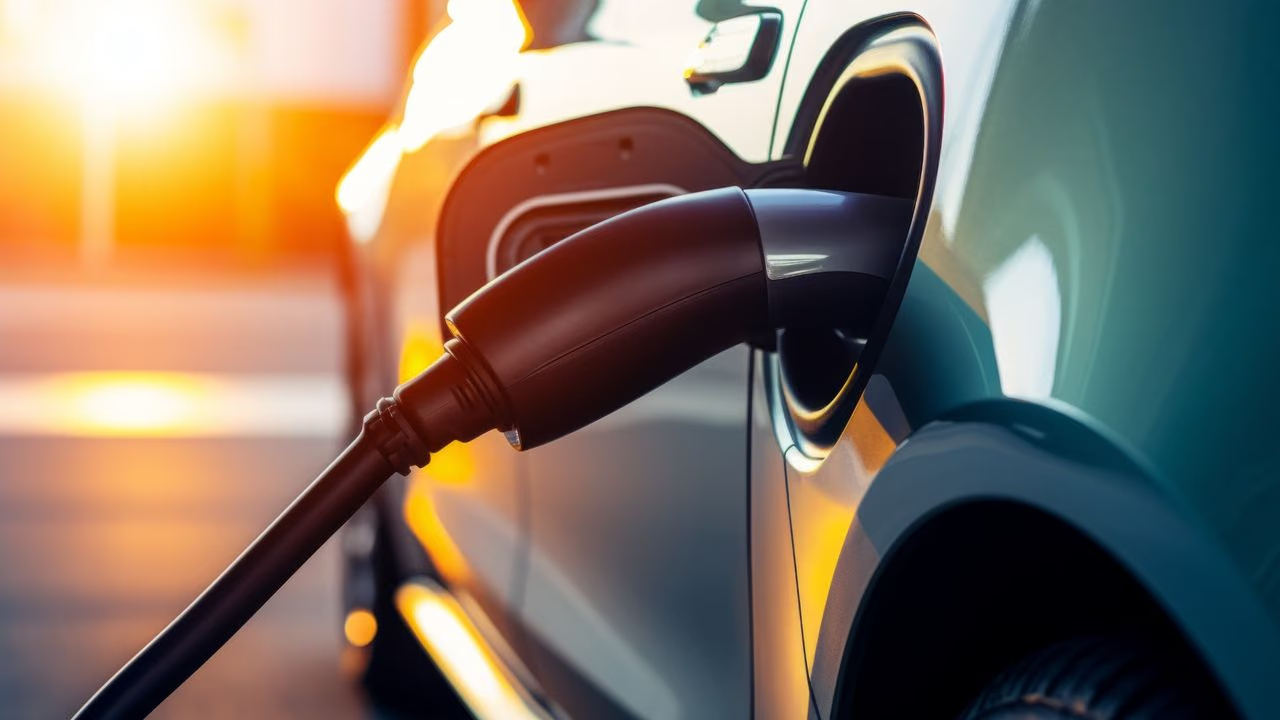
The Future of Electric Cars and E-Mobility
Electric cars have become increasingly popular in recent years, and the future of e-mobility looks promising. With advancements in technology and policy support from governments around the world, electric cars are set to revolutionize the way we commute and contribute to a greener future.
Policy Support
One of the key factors driving the growth of electric cars is the policy support from governments. Many countries have implemented various incentives to encourage the adoption of electric vehicles (EVs). These incentives include tax credits, subsidies, and reduced registration fees. By making electric cars more affordable, governments are making it easier for consumers to switch to cleaner transportation options.
Furthermore, some countries have set ambitious targets to phase out internal combustion engine vehicles altogether. For example, Norway aims to ban the sale of new petrol and diesel cars by 2025. This strong commitment to e-mobility is a clear indication of the direction in which the automotive industry is heading.
Charging Infrastructure Expansion
One of the main concerns for potential electric car owners is the availability of charging infrastructure. However, significant progress has been made in expanding the charging network globally. Governments and private companies are investing in the installation of charging stations in public places, residential areas, and workplaces.
In addition, advancements in technology have led to the development of faster charging solutions. Fast-charging stations can now charge an electric car to 80% capacity in just 30 minutes, making long-distance travel more convenient and feasible. As the charging infrastructure continues to expand, range anxiety will become a thing of the past, further boosting the adoption of electric cars.
Smart Cities
Another exciting development in the future of e-mobility is the integration of electric cars into smart cities. Smart cities use technology and data to improve the quality of life for their residents. Electric cars play a crucial role in this transformation as they can be connected to the city’s infrastructure and contribute to a more efficient transportation system.
For instance, smart charging systems can optimize the charging process based on electricity demand and grid capacity. This ensures that electric cars are charged at the most cost-effective and environmentally friendly times. Additionally, electric cars can be integrated into a larger network of transportation options, such as ride-sharing and public transit, to provide seamless and sustainable mobility solutions.
The Environmental Impact
One of the main reasons why electric cars are gaining popularity is their positive environmental impact. Electric cars produce zero tailpipe emissions, reducing air pollution and greenhouse gas emissions. As the electricity grid becomes cleaner with the integration of renewable energy sources, the overall carbon footprint of electric cars will continue to decrease.
Moreover, the production of electric cars is becoming more sustainable. Manufacturers are increasingly using recycled materials and implementing energy-efficient production processes. This focus on sustainability extends to the end-of-life stage of electric cars, with efforts being made to recycle and repurpose their components.
Conclusion
The future of electric cars and e-mobility is bright. With policy support, the expansion of charging infrastructure, and the integration of electric cars into smart cities, the transition to a sustainable transportation system is well underway. Electric cars not only offer a cleaner and greener alternative to traditional vehicles but also contribute to the development of a more efficient and interconnected urban environment.



