



The Future of Electric Cars: Advancements and Policy Support
The Future of Electric Cars and E-Mobility Electric vehicle technology has come a long way in recent years, and it is now poised to revolutionize the way we…
By Rooks Hill Editorial3 min read
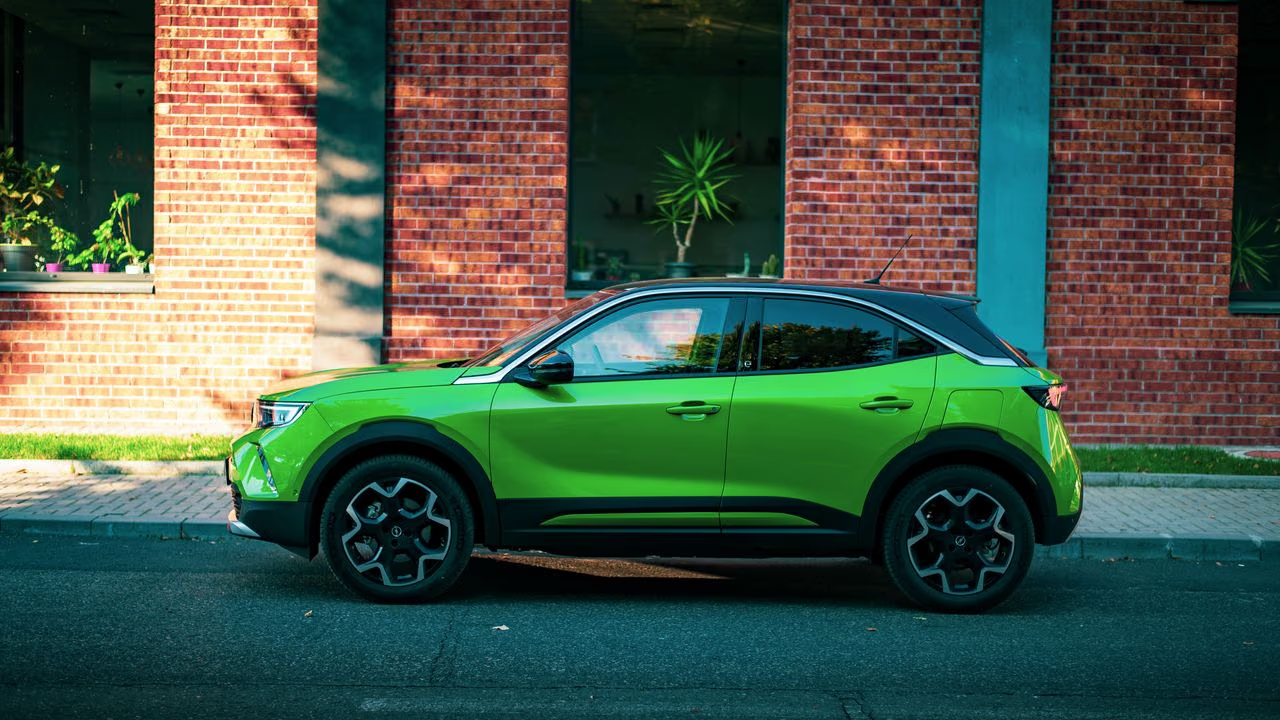
The Future of Electric Cars and E-Mobility
Electric vehicle technology has come a long way in recent years, and it is now poised to revolutionize the way we think about urban mobility. As concerns about climate change and air pollution continue to grow, governments around the world are increasingly turning to electric cars and e-mobility as a solution. With the right policy support, the future of electric cars looks bright.
Advancements in Electric Vehicle Technology
One of the key factors driving the growth of electric cars is the rapid advancements in technology. Batteries are becoming more efficient and affordable, allowing electric vehicles to travel longer distances on a single charge. Charging infrastructure is also improving, with more charging stations being installed in cities and along highways.
Furthermore, electric cars are becoming more accessible to the average consumer. Many automakers are now offering a range of electric models at different price points, making it easier for people to make the switch from traditional gasoline-powered vehicles.
Benefits for Urban Mobility
Electric cars have the potential to greatly improve urban mobility. With their zero-emission technology, they can help reduce air pollution and improve air quality in cities. This is especially important considering that transportation is one of the largest sources of greenhouse gas emissions.
In addition, electric cars are quieter than traditional vehicles, which can help reduce noise pollution in urban areas. This is particularly beneficial for densely populated cities where noise pollution can be a major problem.
Moreover, electric cars can also contribute to reducing traffic congestion. Many cities are implementing policies that prioritize electric vehicles, such as dedicated charging stations and preferential parking spots. By incentivizing the use of electric cars, cities can encourage more people to switch, leading to fewer cars on the road and less congestion.
Policy Support for Electric Cars
Policy support is crucial for the widespread adoption of electric cars and e-mobility. Governments around the world are recognizing the importance of electric vehicles and are implementing various measures to encourage their use.
One such measure is financial incentives. Many countries offer subsidies and tax breaks for electric vehicle purchases, making them more affordable for consumers. Some cities even provide additional incentives, such as free parking or access to bus lanes, for electric car owners.
Another important policy is the development of charging infrastructure. Governments are investing in the installation of charging stations in public areas, parking lots, and along highways. This infrastructure is essential for the convenience and practicality of electric cars, as it ensures that drivers have access to charging facilities wherever they go.
Furthermore, governments are also implementing stricter emissions standards for traditional vehicles, which will push automakers to produce more electric models. This will not only help reduce emissions but also increase consumer choice and drive down the cost of electric vehicles.
Conclusion
The future of electric cars and e-mobility looks promising. With advancements in technology, the benefits they offer for urban mobility, and the policy support they are receiving, electric cars are set to become the norm on our roads. As more people make the switch, we can expect cleaner and quieter cities, reduced traffic congestion, and a significant reduction in greenhouse gas emissions.



