



The Evolution of EV Charging Integration
Nostalgia and Innovation: The Evolution of EV Charging Platform Integration As technology continues to advance at an unprecedented pace, it’s easy to forget…
By Rooks Hill Editorial3 min read
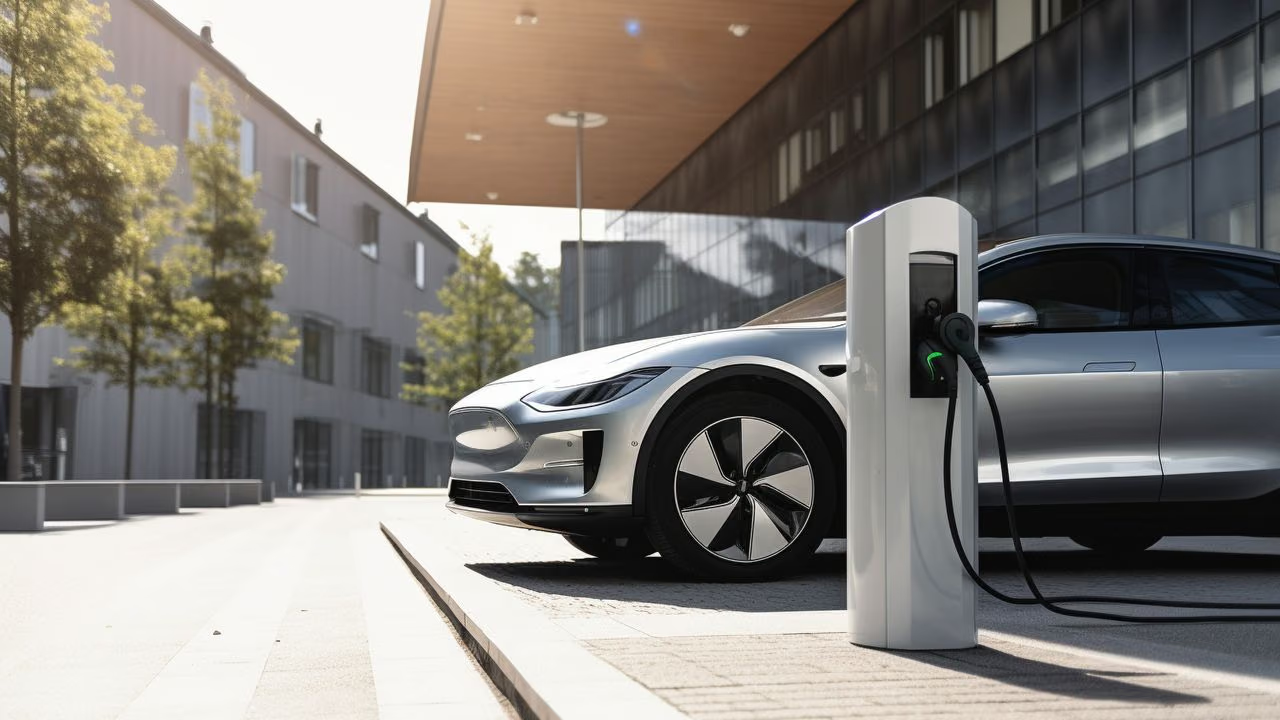
Nostalgia and Innovation: The Evolution of EV Charging Platform Integration
As technology continues to advance at an unprecedented pace, it’s easy to forget the humble beginnings of electric vehicles (EVs) and the challenges they faced in their early days. One such challenge was the integration of EV charging platforms, which required seamless data exchange, payment gateway integration, and billing system integration. In this article, we will take a nostalgic trip down memory lane and explore the evolution of EV charging platform integration.
The Birth of EV Charging Platforms
When EVs first hit the market, charging infrastructure was virtually non-existent. Early adopters had to rely on basic charging stations with limited functionality. However, as the demand for EVs grew, so did the need for more advanced charging solutions.
The introduction of EV charging platforms revolutionized the way EV owners charged their vehicles. These platforms acted as a central hub, connecting charging stations, vehicle data, and payment systems. Suddenly, EV owners had access to real-time charging information, such as availability and charging speeds, right at their fingertips.
Charging Platform Data Exchange
One of the key components of EV charging platform integration is data exchange. Charging platforms collect and analyze data from charging stations to provide valuable insights to both operators and EV owners. This data includes charging session duration, energy consumption, and even environmental impact.
Early integration of charging platform data exchange was rudimentary, with limited compatibility between different charging stations and platforms. However, as the industry matured, standardized protocols were developed, allowing for seamless data exchange between various charging platforms and stations. This interoperability paved the way for a more efficient and user-friendly charging experience.
Charging Platform Payment Gateway Integration
Another crucial aspect of EV charging platform integration is payment gateway integration. EV owners need a convenient and secure way to pay for their charging sessions, and charging platforms play a vital role in facilitating these transactions.
In the early days, payment options were limited, often requiring manual input of credit card information or the use of RFID cards. However, as technology progressed, charging platforms started integrating with popular payment gateways, such as PayPal and Apple Pay. This allowed for seamless and secure payment processing, making the charging experience more convenient for EV owners.
Charging Platform Billing System Integration
Efficient billing is essential for both charging station operators and EV owners. Charging platforms enable accurate and transparent billing by integrating with billing systems. This integration ensures that charging sessions are properly tracked, and users are billed accordingly.
In the early stages, billing system integration was a complex and time-consuming process. However, advancements in technology and the development of standardized protocols simplified the integration process. Charging platforms now seamlessly communicate with billing systems, automating the billing process and reducing the administrative burden for operators.
The Future of EV Charging Platform Integration
As EV adoption continues to rise, the integration of charging platforms will only become more crucial. The future holds exciting possibilities, such as smart grid integration, vehicle-to-grid communication, and advanced analytics.
With the advent of smart grid integration, charging platforms will be able to optimize charging sessions based on grid demand and renewable energy availability. Vehicle-to-grid communication will enable EVs to not only consume energy but also feed it back into the grid during peak demand periods. Advanced analytics will provide valuable insights into charging patterns, allowing for better infrastructure planning and optimization.
In conclusion, the evolution of EV charging platform integration has come a long way since the early days of basic charging stations. Data exchange, payment gateway integration, and billing system integration have transformed the charging experience for EV owners. As technology continues to advance, we can only imagine the exciting innovations that lie ahead for EV charging platforms.



