



The Electric Car Revolution
The Future of Electric Cars and E-Mobility: A Revolution in Transportation Electric cars and e-mobility are rapidly transforming the way we think about…
By Rooks Hill Editorial3 min read
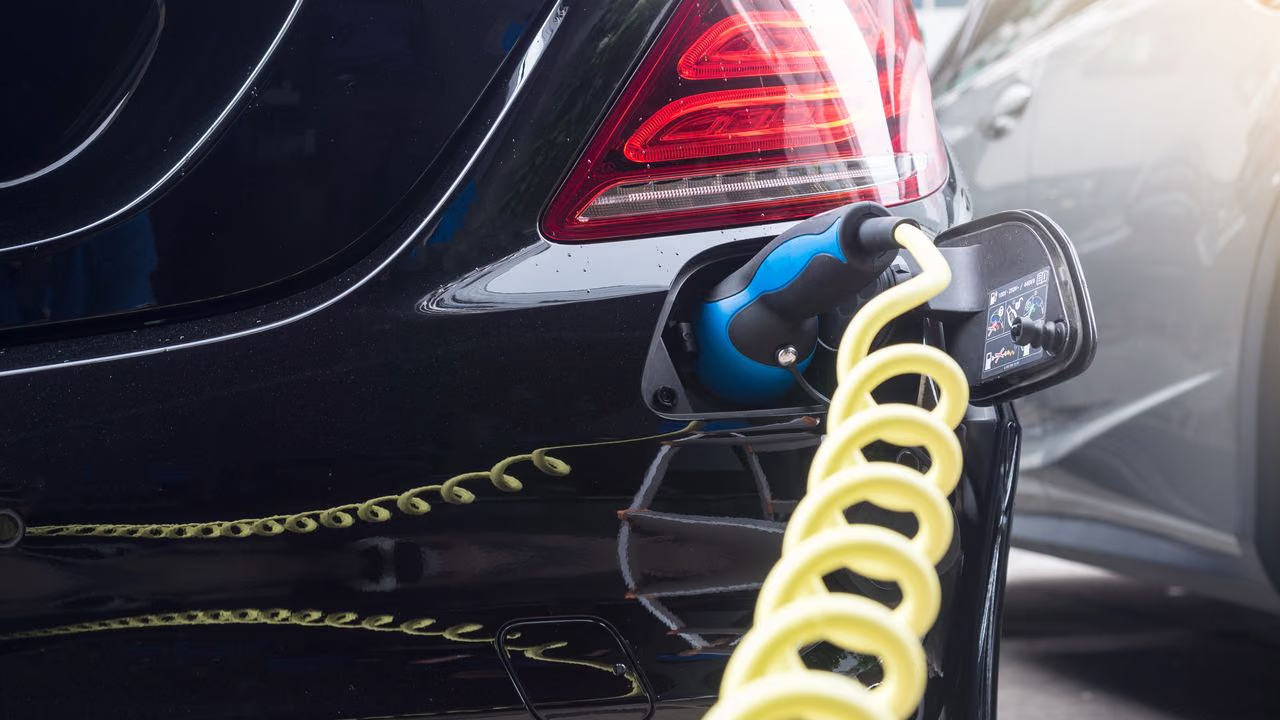
The Future of Electric Cars and E-Mobility: A Revolution in Transportation
Electric cars and e-mobility are rapidly transforming the way we think about transportation. With the rise of mobility-as-a-service, policy support, and electrification initiatives, the future of electric cars looks promising. In this article, we will explore how these factors are shaping the future of transportation and what it means for our planet and daily lives.
Mobility-as-a-Service: The Rise of Shared Transportation
Mobility-as-a-service (MaaS) is a concept that is revolutionizing the way we move from one place to another. Instead of owning a car, people are increasingly relying on shared transportation options such as ride-hailing services, car-sharing platforms, and electric scooters. This shift towards shared mobility not only reduces the number of cars on the road but also promotes a more sustainable and efficient transportation system.
With the advent of electric cars, MaaS is becoming even more attractive. Electric vehicles (EVs) are not only environmentally friendly but also offer lower operating costs compared to traditional combustion engine cars. As more electric cars are integrated into shared mobility services, it becomes easier for people to access clean and affordable transportation options.
Policy Support: Driving the Transition to Electric Cars
Government policies play a crucial role in accelerating the adoption of electric cars and e-mobility. Many countries around the world are implementing policies to incentivize the purchase of electric vehicles and promote the development of charging infrastructure.
One of the most effective policies is financial incentives, such as tax credits and rebates, which make electric cars more affordable for consumers. Additionally, governments are investing in the expansion of charging networks, ensuring that EV owners have convenient access to charging stations.
Furthermore, some cities are implementing policies to restrict or ban the use of internal combustion engine vehicles in certain areas. This not only reduces air pollution but also encourages the adoption of electric cars as the primary mode of transportation.
Electrification Initiatives: Paving the Way for a Sustainable Future
Electrification initiatives are driving the transition towards a sustainable transportation system. Automakers are investing heavily in research and development to improve the performance and affordability of electric cars. As a result, we are witnessing a rapid increase in the range of electric vehicles, making them more practical for everyday use.
Besides passenger cars, electrification initiatives are also expanding into other sectors of transportation. Electric buses are becoming increasingly common in urban areas, reducing noise and air pollution. Delivery companies are also embracing electric vans and trucks, contributing to cleaner and quieter streets.
Furthermore, the electrification of public transportation is playing a significant role in reducing greenhouse gas emissions. Trains and trams powered by electricity are becoming the norm in many cities, offering a sustainable alternative to fossil fuel-powered transportation.
The Road Ahead: A Sustainable and Connected Future
The future of electric cars and e-mobility is promising. With the rise of mobility-as-a-service, policy support, and electrification initiatives, we are moving towards a more sustainable and connected transportation system. The adoption of electric vehicles not only reduces greenhouse gas emissions but also improves air quality and promotes energy independence.
As technology continues to advance, we can expect further improvements in battery technology, charging infrastructure, and autonomous driving capabilities. These advancements will make electric cars even more convenient and accessible, further accelerating the transition to e-mobility.
So, let’s embrace the future of electric cars and e-mobility. Together, we can create a cleaner, greener, and more efficient transportation system for generations to come.



