



Public Charging Stations: The Key to EV Accessibility
Public Charging Stations: The Key to Electric Vehicle Accessibility As electric vehicles (EVs) become increasingly popular, one of the main concerns for…
By Rooks Hill Editorial3 min read
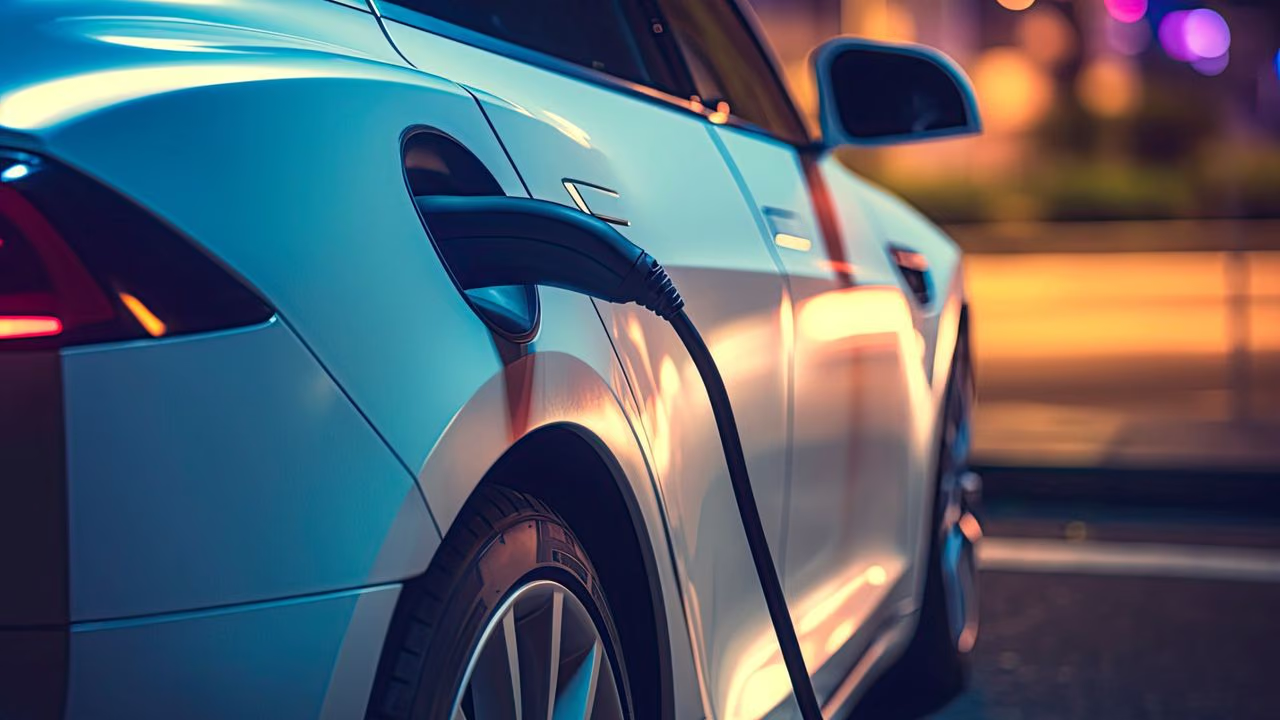
Public Charging Stations: The Key to Electric Vehicle Accessibility
As electric vehicles (EVs) become increasingly popular, one of the main concerns for potential buyers is the availability of public charging stations. After all, what good is an electric vehicle if you can’t find a place to charge it? In this article, we will explore the importance of charging station accessibility and the current state of public charging infrastructure.
The Growing Need for Public Charging Stations
With the rise in EV ownership, the demand for public charging stations has skyrocketed. While most EV owners charge their vehicles at home, public charging stations play a crucial role in enabling long-distance travel and providing a convenient charging option for those who don’t have access to private charging facilities.
Public charging stations are especially vital for urban dwellers or individuals living in apartments or condos where installing a personal charging station may not be feasible. Additionally, they serve as a safety net for EV owners who may need a quick top-up during their daily commutes or while running errands.
The Current State of Charging Infrastructure
Although the number of public charging stations has been steadily increasing, there is still work to be done to ensure widespread accessibility. The availability of charging infrastructure varies greatly from region to region, with some areas having a surplus of stations while others have a significant shortage.
One of the main challenges in expanding charging infrastructure is the cost involved. Installing charging stations requires significant investment, and many businesses and municipalities are hesitant to take on the financial burden. However, as the demand for EVs continues to rise, it is crucial that governments and private entities work together to develop a robust and accessible charging network.
Efforts to Improve Accessibility
Recognizing the importance of charging station accessibility, various initiatives have been launched to expand the charging infrastructure. Governments around the world are offering incentives and grants to encourage the installation of public charging stations. Additionally, collaborations between automakers, utility companies, and charging station manufacturers are helping to accelerate the growth of charging infrastructure.
Another promising development is the integration of charging stations into existing infrastructure. For example, some cities are installing charging points in parking lots, shopping centers, and even streetlights, making it more convenient for EV owners to find a charging station.
Planning for the Future
As the popularity of electric vehicles continues to soar, it is crucial that we plan for the future and ensure the availability of public charging stations keeps pace with the growing demand. This includes not only increasing the number of charging stations but also improving their accessibility and reliability.
Furthermore, advancements in technology are also playing a significant role in enhancing the charging experience. Fast-charging stations are becoming more prevalent, allowing EV owners to charge their vehicles in a matter of minutes rather than hours. Additionally, the development of wireless charging technology may eliminate the need for physical charging stations altogether, further improving accessibility.
In Conclusion
Public charging stations are a vital component of the electric vehicle ecosystem. They provide a lifeline for EV owners who rely on public infrastructure for their charging needs. While progress has been made in expanding charging infrastructure, there is still work to be done to ensure widespread accessibility. By investing in charging infrastructure, collaborating with various stakeholders, and embracing technological advancements, we can pave the way for a future where electric vehicles are truly accessible to all.



