



Overview of Electric Cars: Battery Technology and Environmentally Friendly Transportation
Overview of Electric Cars: Revolutionizing the Automotive Industry Electric cars have gained significant attention in recent years due to their potential to…
By Rooks Hill Editorial3 min read
Overview of Electric Cars: Revolutionizing the Automotive Industry
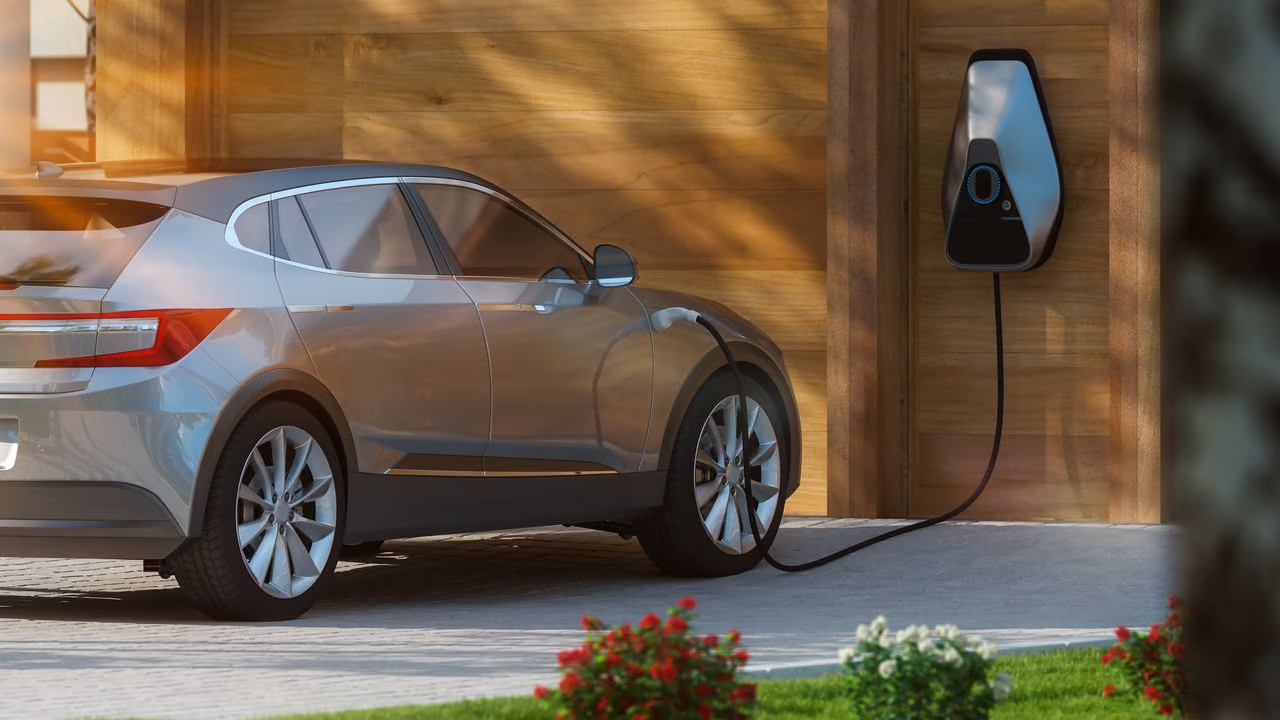
Electric cars have gained significant attention in recent years due to their potential to revolutionize the automotive industry. With advancements in battery technology and a growing focus on clean and environmentally friendly transportation, electric cars are becoming increasingly popular among consumers. In this article, we will provide an overview of electric cars, highlighting their benefits, battery technology, and their contribution to a cleaner future.
The Rise of Electric Cars
Electric cars, also known as electric vehicles (EVs), are automobiles powered by one or more electric motors using energy stored in rechargeable batteries. The concept of electric cars is not new; they have been around since the 19th century. However, it is only in recent years that they have gained significant traction in the market.
One of the main reasons for the rise of electric cars is the increasing concern for the environment. Traditional gasoline-powered vehicles emit greenhouse gases and contribute to air pollution. Electric cars, on the other hand, produce zero tailpipe emissions, making them a cleaner alternative. This aligns with the growing global focus on reducing carbon emissions and combating climate change.
Battery Technology: Powering Electric Cars
Battery technology plays a crucial role in the development and performance of electric cars. Advances in battery technology have significantly improved the range and charging capabilities of electric vehicles, addressing one of the main concerns for potential buyers.
Lithium-ion batteries are the most common type of battery used in electric cars. These batteries offer high energy density, longer lifespan, and faster charging times compared to other battery technologies. As technology continues to evolve, we can expect further improvements in battery performance, making electric cars even more practical and convenient for everyday use.
The Benefits of Electric Cars
Electric cars offer numerous benefits, some of which include:
- Environmental Friendliness: Electric cars produce zero tailpipe emissions, reducing air pollution and greenhouse gas emissions.
- Energy Efficiency: Electric cars convert a higher percentage of energy from the grid to power at the wheels, making them more energy-efficient than internal combustion engine vehicles.
- Cost Savings: Electric cars have lower operating costs compared to gasoline-powered vehicles, as electricity is generally cheaper than gasoline. Additionally, electric cars require less maintenance due to fewer moving parts.
- Quiet and Smooth Ride: Electric cars are known for their quiet operation and smooth acceleration, providing a pleasant driving experience.
Contributing to a Cleaner Future
By choosing electric cars, consumers can actively contribute to a cleaner and more sustainable future. The adoption of electric vehicles can help reduce our dependence on fossil fuels and lower carbon emissions. Additionally, the use of renewable energy sources to charge electric cars further enhances their environmental benefits.
In conclusion, electric cars are revolutionizing the automotive industry with their clean technology and environmentally friendly features. With advancements in battery technology and a growing focus on sustainability, electric cars offer numerous benefits to both consumers and the planet. By embracing electric vehicles, we can pave the way for a greener and more sustainable future.



