



Optimizing EV Charging Stations: Software, Diagnostics, Updates
EV Charging Station Management: Optimizing Efficiency and Performance As electric vehicles (EVs) continue to gain popularity, the demand for efficient and…
By Rooks Hill Editorial3 min read
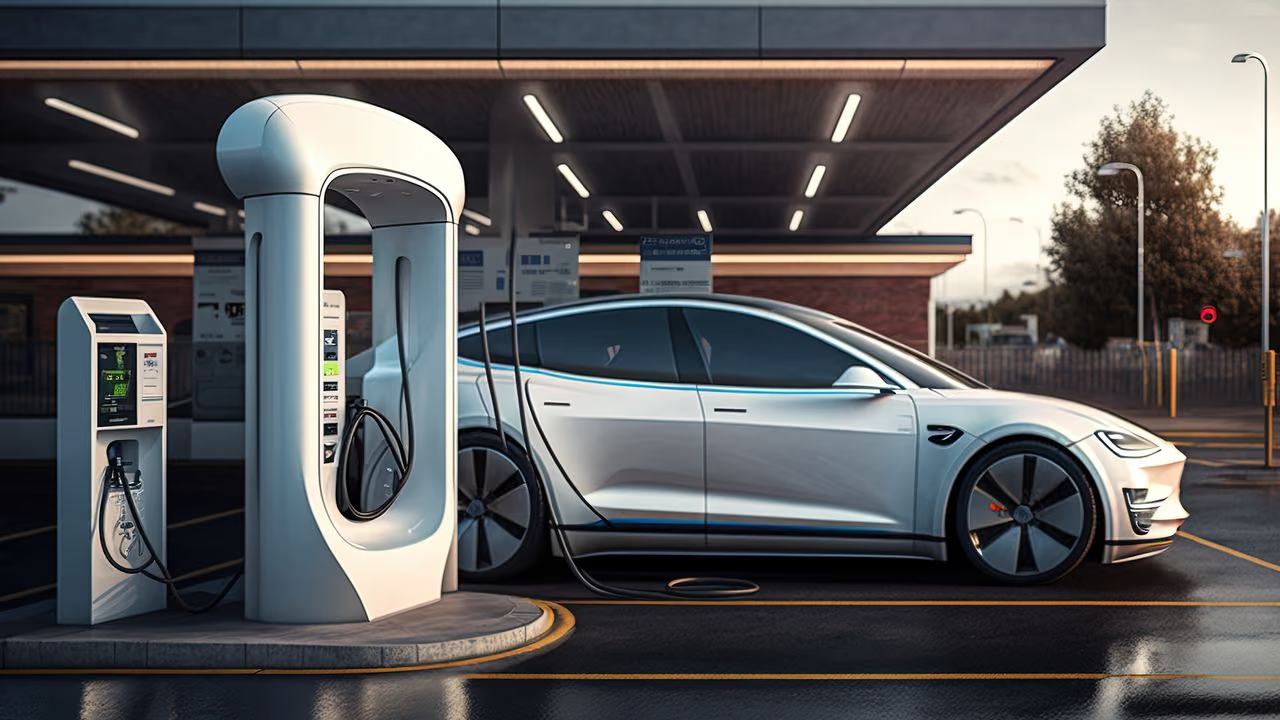
EV Charging Station Management: Optimizing Efficiency and Performance
As electric vehicles (EVs) continue to gain popularity, the demand for efficient and reliable charging infrastructure is on the rise. EV charging station management plays a crucial role in ensuring the smooth operation of these stations, providing convenience to EV owners and promoting the widespread adoption of electric mobility. In this article, we will explore the importance of charging station software, diagnostics, and firmware updates in optimizing the performance of EV charging stations.
Charging Station Software
Charging station software serves as the backbone of efficient EV charging station management. It enables station operators to monitor and control various aspects of the charging process, ensuring a seamless experience for EV owners. With the help of charging station software, operators can remotely manage charging sessions, monitor energy consumption, and collect valuable data for analysis.
One of the key features of charging station software is the ability to authenticate users and handle payment transactions securely. This ensures that only authorized individuals can access the charging stations and enables operators to monetize their services effectively. Additionally, software integration with mobile applications allows EV owners to locate and reserve available charging stations, further enhancing the user experience.
Charging Station Diagnostics
Charging station diagnostics play a vital role in identifying and resolving issues that may arise during the charging process. By continuously monitoring the performance of charging stations, operators can proactively detect faults, malfunctions, or connectivity problems and take immediate action to rectify them. This minimizes downtime and ensures that EV owners have access to reliable charging infrastructure.
Through advanced diagnostics, operators can remotely troubleshoot charging stations, reducing the need for physical inspections and on-site maintenance. Real-time monitoring of critical parameters such as voltage, current, and temperature allows operators to detect anomalies and address them promptly. This proactive approach not only improves the reliability of charging stations but also reduces operational costs and enhances customer satisfaction.
Charging Station Firmware Updates
Regular firmware updates are essential for maintaining the optimal performance and security of EV charging stations. Firmware refers to the software embedded in the charging station’s hardware components, controlling their operation. By keeping the firmware up to date, operators can ensure compatibility with the latest EV models, address software bugs, and implement security patches.
Updating the charging station firmware also enables operators to introduce new features and functionalities that enhance the user experience. For example, improved communication protocols can enable faster charging speeds or support smart grid integration, contributing to the overall efficiency of the charging infrastructure.
Furthermore, firmware updates can be remotely deployed to charging stations, eliminating the need for manual intervention. This saves time and resources while ensuring that all charging stations within a network are consistently updated.
Conclusion
In conclusion, effective EV charging station management relies on the utilization of charging station software, diagnostics, and firmware updates. These components work together to optimize efficiency, enhance user experience, and ensure the reliability of charging infrastructure. By investing in robust management systems and staying up to date with the latest technological advancements, operators can contribute to the growth of electric mobility and meet the evolving needs of EV owners.



