



Optimizing EV Charging Station Scheduling
Optimizing EV Charging Station Scheduling for User Convenience As the popularity of electric vehicles (EVs) continues to rise, the need for efficient and…
By Rooks Hill Editorial3 min read
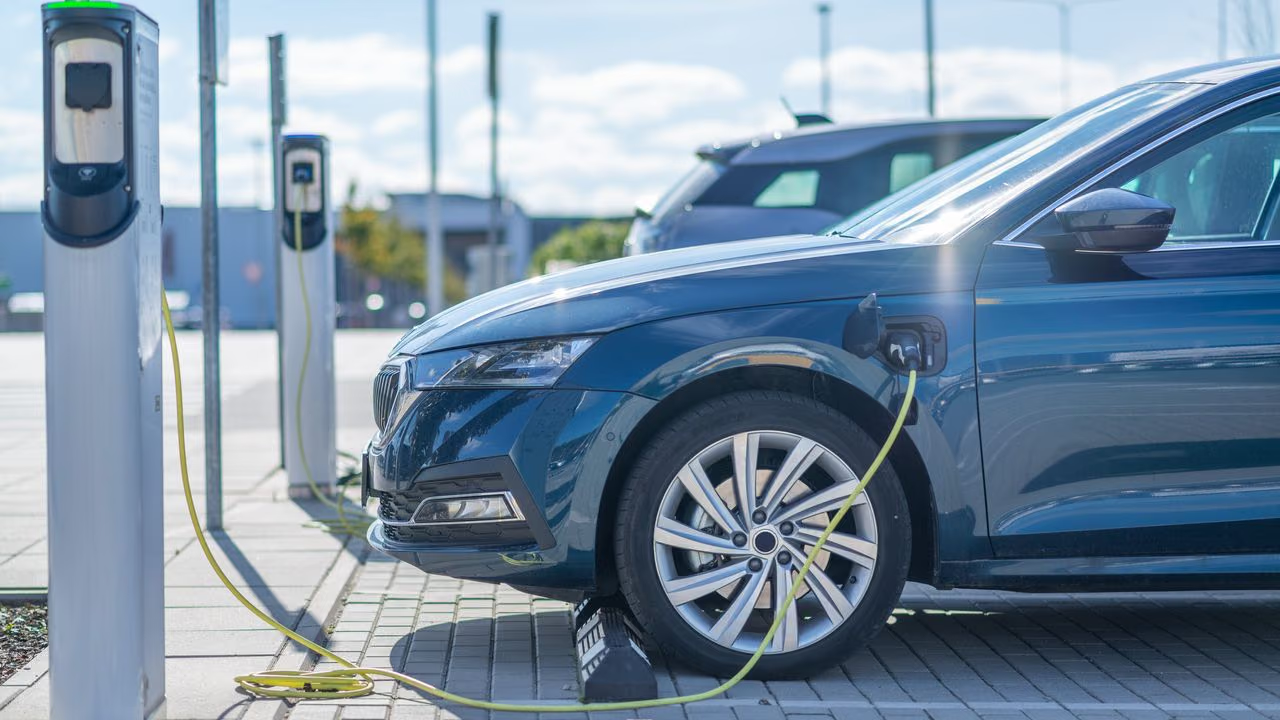
Optimizing EV Charging Station Scheduling for User Convenience
As the popularity of electric vehicles (EVs) continues to rise, the need for efficient and accessible charging infrastructure becomes increasingly important. EV charging station scheduling plays a crucial role in ensuring that drivers can conveniently charge their vehicles when needed. In this article, we will explore the significance of charging station flexibility, availability, and the importance of a user-friendly scheduling interface.
Charging Station Flexibility
One of the key factors in optimizing EV charging station scheduling is flexibility. EV owners have diverse charging needs, and a one-size-fits-all approach may not be practical. Offering different charging speeds and power levels can accommodate various vehicle models and charging requirements. By providing options such as fast charging or slower overnight charging, EV owners can choose the most suitable option for their needs.
Furthermore, incorporating features like adjustable charging durations can enhance flexibility. This allows EV owners to customize their charging sessions based on their immediate requirements. For example, if a driver only needs a quick top-up before a short trip, they can select a shorter charging duration, freeing up the charging station for other users.
Charging Station Availability
Ensuring the availability of charging stations is crucial to avoid long wait times and frustration among EV owners. Real-time monitoring and reporting of charging station occupancy can help drivers plan their charging sessions effectively. By providing up-to-date information on available charging stations, drivers can avoid unnecessary trips to fully occupied stations and select an alternative location with available charging spots.
Implementing a reservation system can also contribute to charging station availability. This allows users to reserve a charging slot in advance, ensuring that they have a guaranteed spot when they arrive. Reservation systems can be particularly beneficial for EV owners who rely on charging stations for their daily commuting needs or those planning longer trips.
Charging Station Scheduling User Interface
A user-friendly scheduling interface is essential for a seamless charging experience. The interface should be intuitive, easy to navigate, and accessible across different devices. EV owners should be able to view the availability of charging stations, make reservations if necessary, and monitor their charging session progress.
Visual indicators, such as color-coded maps or icons, can quickly convey the availability status of charging stations. This allows users to identify open spots at a glance and make informed decisions. Additionally, providing estimated charging times and notifications when a charging session is nearing completion can help users plan their activities accordingly.
Integration with mobile applications can further enhance the user experience. EV owners can receive real-time updates and notifications on their smartphones, allowing them to remotely monitor their charging session and receive alerts when their vehicle is fully charged or if any issues occur.
Conclusion
Efficient EV charging station scheduling is crucial to meet the growing demand for electric vehicle charging infrastructure. By prioritizing flexibility, availability, and a user-friendly scheduling interface, EV owners can conveniently charge their vehicles and minimize wait times. As the EV industry continues to evolve, optimizing charging station scheduling will play a vital role in supporting the widespread adoption of electric vehicles.



