



Optimizing EV Charging Station Scheduling for Grid Load Balancing
Optimizing EV Charging Station Scheduling for Grid Load Balancing Electric vehicles (EVs) are becoming increasingly popular as a clean and sustainable mode of…
By Rooks Hill Editorial2 min read
Optimizing EV Charging Station Scheduling for Grid Load Balancing
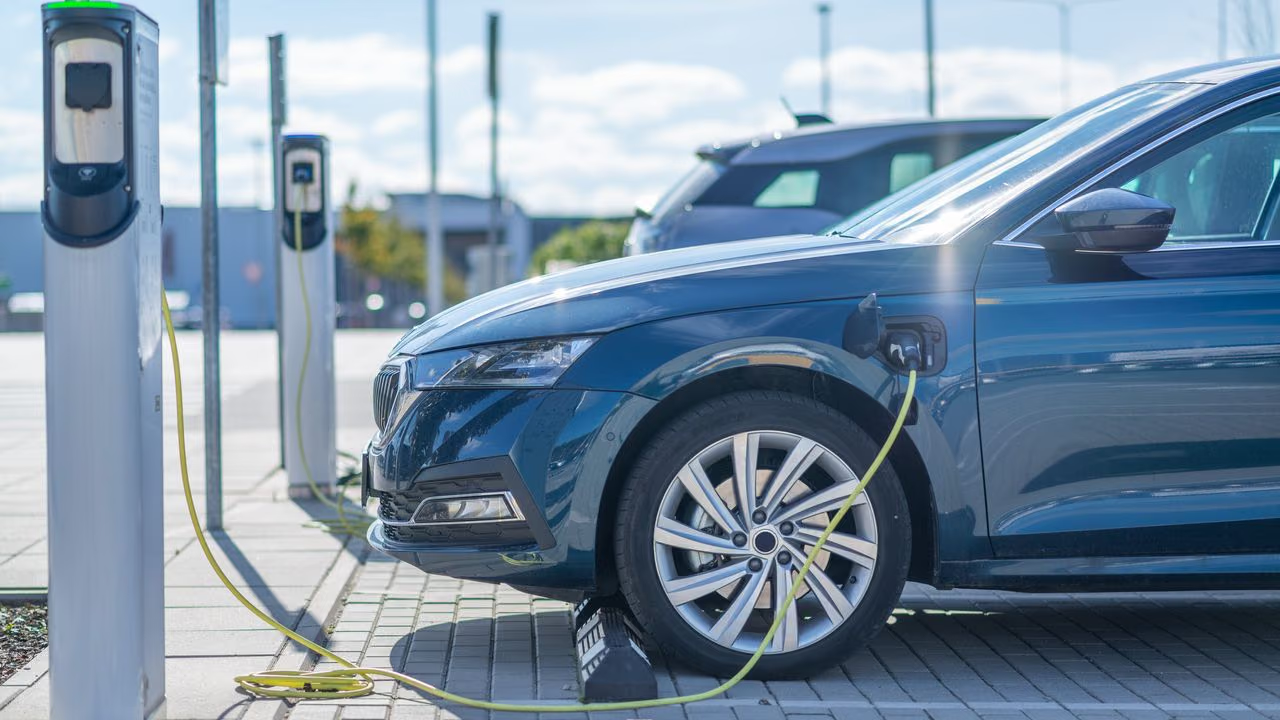
Electric vehicles (EVs) are becoming increasingly popular as a clean and sustainable mode of transportation. As the number of EVs on the road continues to grow, it is crucial to develop efficient charging infrastructure to meet the increasing demand. One of the key challenges in managing EV charging stations is scheduling, which plays a vital role in grid load balancing and ensuring charging station flexibility.
The Importance of Charging Station Scheduling
Charging station scheduling involves managing the allocation of charging slots to EV owners, ensuring fair access and efficient utilization of resources. Effective scheduling helps avoid congestion and overloading of the grid, ensuring a smooth charging experience for EV owners.
Grid load balancing is a critical aspect of charging station scheduling. By distributing the charging load evenly across the grid, it minimizes the strain on the electrical infrastructure and prevents power outages. This is especially important during peak hours when the demand for electricity is high.
Benefits of Charging Station Flexibility
Charging station flexibility allows EV owners to have more control over their charging sessions. By offering options such as fast charging, slow charging, and timed charging, EV owners can adapt their charging needs to their daily routines and optimize their charging experience.
Flexibility also enables EV owners to take advantage of off-peak hours when electricity rates are lower. By scheduling their charging sessions during these times, they can save money while also contributing to grid load balancing.
The Role of Charging Station Reservation
Charging station reservation systems are an effective tool for managing charging station scheduling. These systems allow EV owners to reserve a charging slot in advance, ensuring their access to a charging station when needed.
Reservation systems can be integrated with mobile applications or online platforms, making it convenient for EV owners to check the availability of charging stations and book a slot accordingly. This not only enhances user experience but also reduces the chances of overcrowding at charging stations.
Optimizing Charging Station Scheduling for Grid Load Balancing
To optimize charging station scheduling for grid load balancing, several factors need to be considered:
- Real-time data: Utilizing real-time data on electricity demand, grid capacity, and charging station availability is crucial for effective scheduling.
- Smart algorithms: Implementing intelligent algorithms that consider factors like charging speed, battery capacity, and user preferences can help optimize the scheduling process.
- Dynamic pricing: Implementing dynamic pricing models that incentivize EV owners to charge during off-peak hours can help distribute the load more evenly throughout the day.
- Collaboration with utilities: Working closely with utility companies to share data and coordinate charging schedules can ensure efficient grid load balancing.
Conclusion
Efficient scheduling of EV charging stations is crucial for grid load balancing and ensuring a smooth charging experience for EV owners. By implementing charging station flexibility, reservation systems, and optimizing scheduling algorithms, we can achieve a more sustainable and reliable charging infrastructure for the growing number of electric vehicles on our roads.



