



Optimizing EV Charging Station Scheduling for Flexibility and Efficiency
Optimizing EV Charging Station Scheduling for Flexibility and Efficiency As the demand for electric vehicles (EVs) continues to grow, the need for efficient…
By Rooks Hill Editorial3 min read
Optimizing EV Charging Station Scheduling for Flexibility and Efficiency
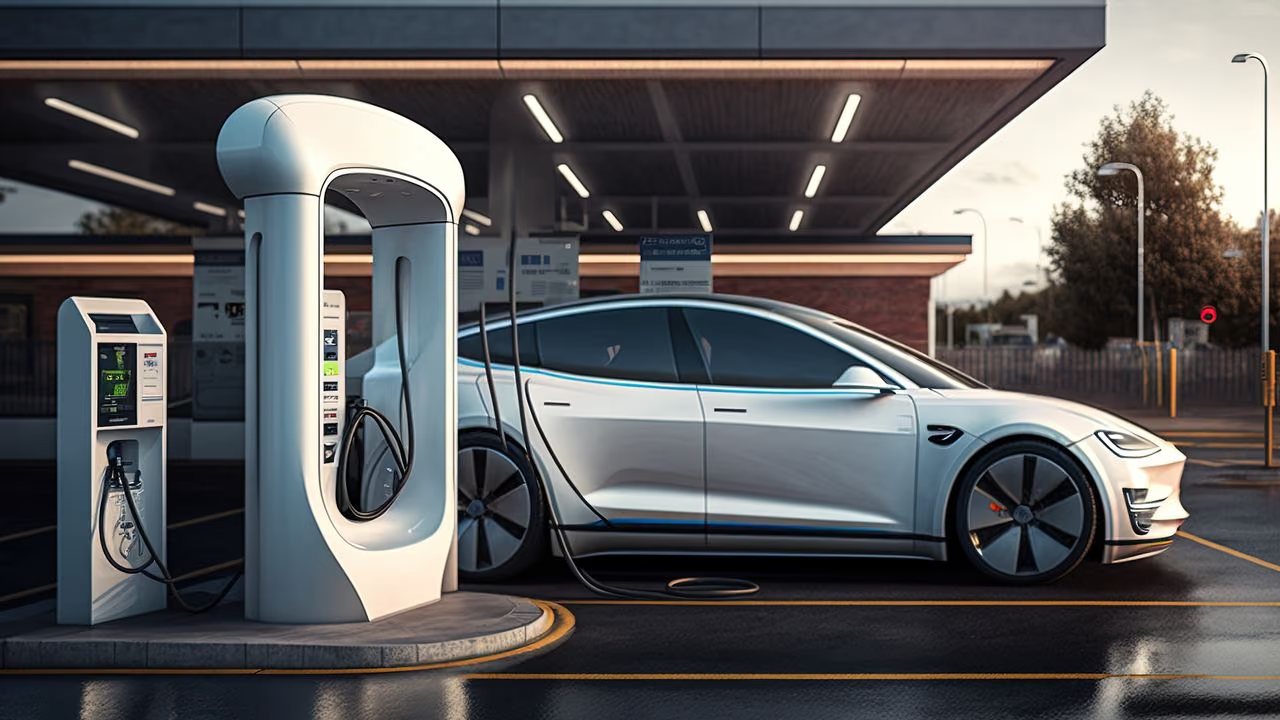
As the demand for electric vehicles (EVs) continues to grow, the need for efficient and flexible EV charging station scheduling becomes increasingly important. EV charging station operators are faced with the challenge of managing limited resources while ensuring that EV owners have access to charging stations when they need them. This article explores the concept of charging station scheduling, the benefits of reservation systems, and the importance of prioritizing charging station usage.
The Importance of Charging Station Flexibility
Charging station flexibility is crucial for accommodating the varying needs of EV owners. Different drivers have different charging requirements, depending on factors such as their daily commute, battery capacity, and charging speed. By offering flexible scheduling options, charging station operators can cater to these diverse needs and ensure that EV owners can charge their vehicles conveniently.
One way to enhance charging station flexibility is by implementing a reservation system. This allows EV owners to book a specific time slot for charging their vehicles, ensuring that a charging station is available when they need it. Reservation systems can be integrated into mobile apps or websites, making it easy for EV owners to plan their charging sessions in advance.
The Benefits of Charging Station Reservation
Charging station reservation systems offer several advantages for both EV owners and charging station operators. Firstly, reservations help eliminate the uncertainty of finding an available charging station. EV owners can have peace of mind knowing that a charging spot will be reserved for them at their desired time.
Secondly, reservation systems enable charging station operators to optimize resource allocation. By having a clear overview of the scheduled charging sessions, operators can manage the available charging stations more efficiently. This can lead to a reduction in idle time and better utilization of resources.
Furthermore, reservation systems can also provide valuable data for charging station operators. By analyzing reservation patterns, operators can identify peak usage hours and plan for additional resources or infrastructure upgrades accordingly. This data-driven approach ensures that charging stations are strategically located and adequately equipped to meet the growing demand.
Prioritizing Charging Station Usage
In addition to flexibility and reservation systems, it is essential to prioritize charging station usage to ensure fair and efficient access for all EV owners. Prioritization can be based on various factors, such as battery level, charging speed, or membership status.
For instance, EV owners with low battery levels can be given priority access to charging stations to prevent any potential emergencies or inconveniences. Similarly, fast-charging stations can be prioritized for EV owners who need a quick charge, while standard charging stations can be allocated to those who require longer charging times.
Membership programs can also play a role in prioritizing charging station usage. Members can enjoy exclusive benefits, such as priority access or discounted rates, incentivizing EV owners to join the program and ensuring a loyal customer base for charging station operators.
In Conclusion
EV charging station scheduling plays a vital role in providing convenient and reliable charging options for EV owners. By implementing flexible scheduling options, reservation systems, and prioritization strategies, charging station operators can optimize resource allocation, enhance user experience, and contribute to the overall growth of the EV industry.
Remember, the key to successful charging station scheduling lies in understanding the diverse needs of EV owners and leveraging technology to provide efficient and user-friendly solutions. By staying ahead of the curve and adapting to the evolving demands of the market, charging station operators can ensure a sustainable and future-proof charging infrastructure for electric vehicles.



