



Optimizing EV Charging Station Management for Performance & Uptime
Optimizing EV Charging Station Management for Improved Performance and Uptime Electric vehicles (EVs) are becoming increasingly popular as a sustainable mode…
By Rooks Hill Editorial3 min read
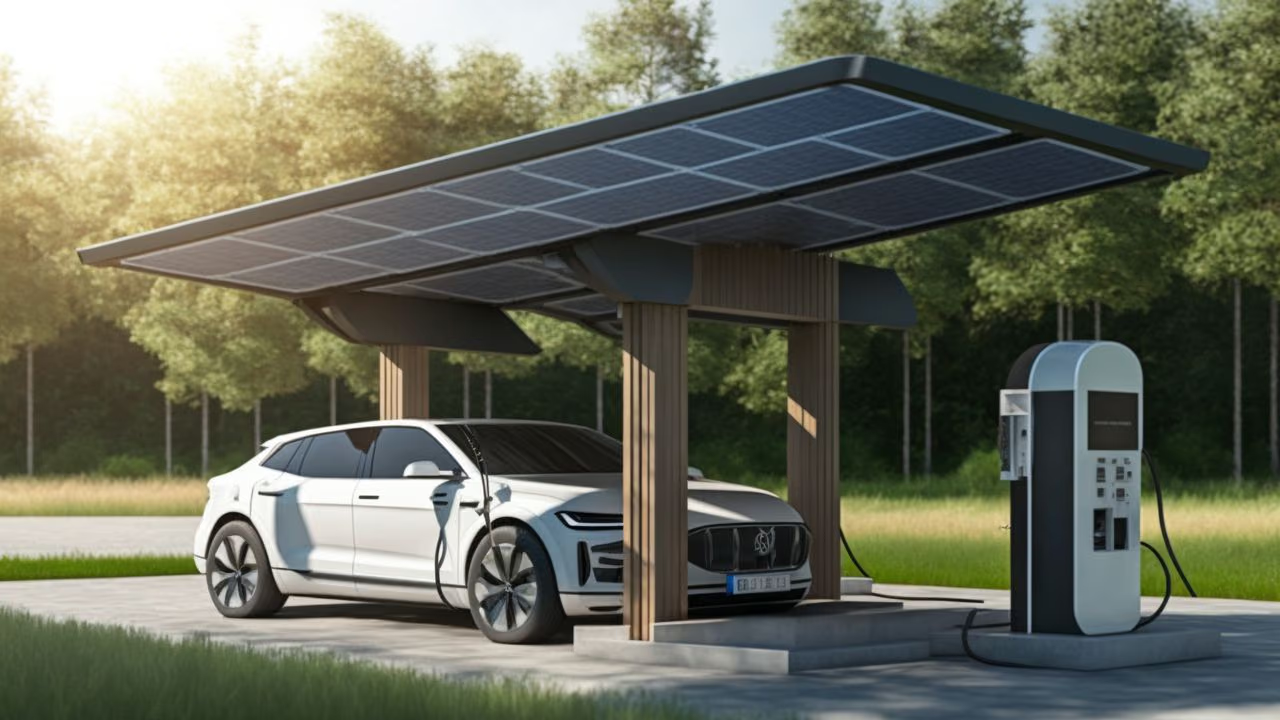
Optimizing EV Charging Station Management for Improved Performance and Uptime
Electric vehicles (EVs) are becoming increasingly popular as a sustainable mode of transportation. With the rise in EV adoption, the demand for charging stations has also grown significantly. As a result, efficient management of EV charging stations has become crucial to ensure optimal performance, uptime, and user satisfaction. In this article, we will explore the key aspects of EV charging station management and discuss strategies for optimizing charging station uptime, performance, and overall efficiency.
Charging Station Uptime
Charging station uptime refers to the amount of time a charging station is operational and available for use. Maximizing uptime is essential to meet the increasing demand for charging infrastructure and to avoid inconvenience to EV owners. Here are some strategies to improve charging station uptime:
- Regular Maintenance: Implement a proactive maintenance schedule to identify and address potential issues before they cause downtime. This includes regular inspections, software updates, and equipment servicing.
- Remote Monitoring: Utilize advanced monitoring systems to remotely track the status of charging stations in real-time. This enables immediate detection of any faults or malfunctions, allowing for prompt resolution.
- 24/7 Support: Establish a dedicated support team to handle user queries and technical issues round the clock. This ensures that any problems reported by users are addressed promptly, minimizing downtime.
Charging Station Performance
Optimizing charging station performance is crucial for providing a seamless charging experience to EV owners. Here are some strategies to enhance charging station performance:
- Power Capacity Planning: Analyze the power requirements of charging stations based on usage patterns and future projections. This helps in determining the optimal power capacity for each charging station, ensuring efficient charging without overloading the electrical infrastructure.
- Smart Charging Algorithms: Implement intelligent charging algorithms that prioritize charging based on factors such as battery level, charging speed, and user preferences. This helps in optimizing the utilization of charging stations and reducing waiting times.
- Dynamic Load Management: Utilize load management techniques to distribute the power load among multiple charging stations. This prevents overloading of the electrical grid during peak demand periods and ensures consistent performance.
Charging Station Optimization
Efficient management of charging stations involves optimizing various aspects of their operation. Here are some strategies for charging station optimization:
- Location Planning: Conduct a thorough analysis of potential charging station locations based on factors such as proximity to major roads, parking availability, and accessibility. This helps in maximizing the utilization of charging stations and minimizing user inconvenience.
- Payment and Authentication Systems: Implement user-friendly payment and authentication systems that are compatible with various payment methods and EV charging network platforms. This simplifies the user experience and encourages more people to use the charging stations.
- Data Analytics: Utilize data analytics to gather insights on charging station usage patterns, user behavior, and performance metrics. This information can be used to identify areas for improvement and make data-driven decisions for optimizing charging station operations.
In conclusion, effective management of EV charging stations is essential to ensure optimal performance, uptime, and user satisfaction. By implementing strategies such as regular maintenance, remote monitoring, power capacity planning, smart charging algorithms, and location optimization, charging station operators can enhance the overall efficiency of their charging infrastructure. This not only benefits EV owners but also contributes to the growth of sustainable transportation.



