



Optimizing EV Charging Platforms: Analytics and Security
EV Charging Platform Analytics: Enhancing Efficiency and Security The rapid growth of electric vehicles (EVs) has led to an increased demand for efficient and…
By Rooks Hill Editorial2 min read
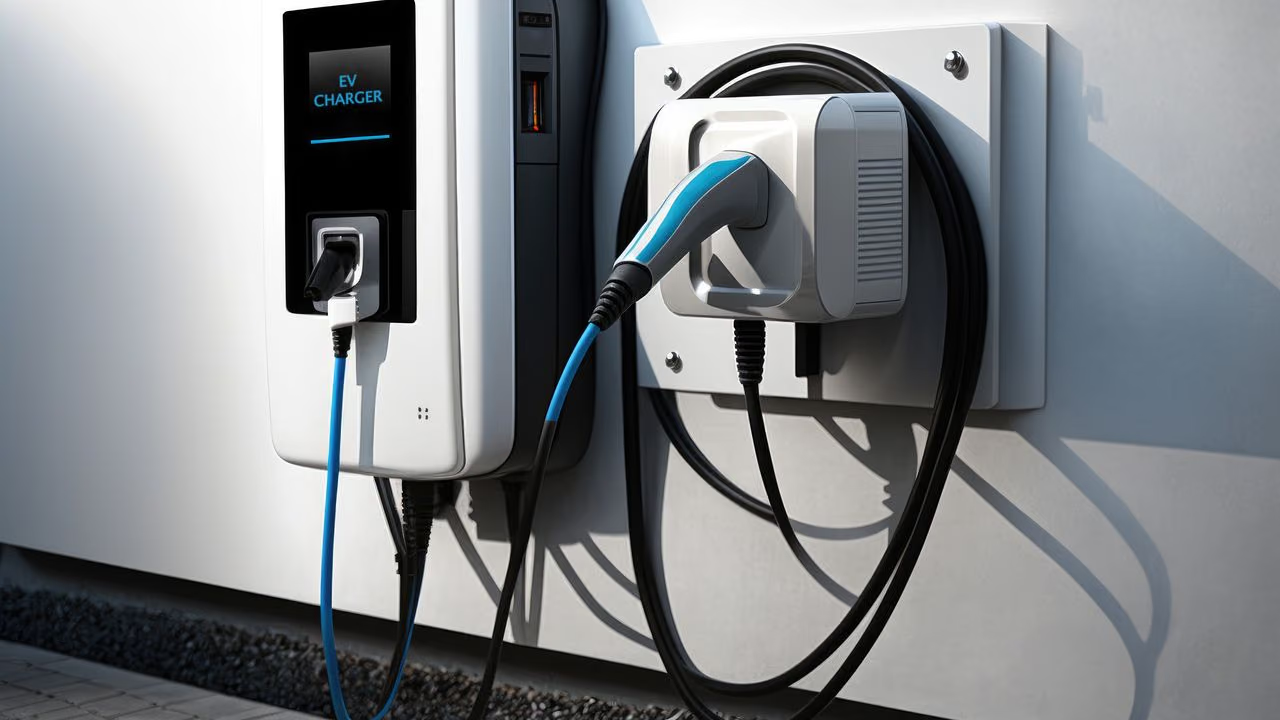
EV Charging Platform Analytics: Enhancing Efficiency and Security
The rapid growth of electric vehicles (EVs) has led to an increased demand for efficient and reliable charging infrastructure. As a result, EV charging platform analytics has emerged as a crucial tool for optimizing charging networks, benchmarking performance, sharing data, and ensuring data security.
Charging Platform Benchmarking
Charging platform benchmarking involves evaluating the performance of different charging platforms to identify strengths, weaknesses, and areas for improvement. By analyzing key metrics such as charging speed, availability, and user satisfaction, stakeholders can make informed decisions to enhance the overall charging experience.
Through benchmarking, charging platform operators can compare their performance against industry standards and identify best practices. This allows them to optimize their operations, reduce downtime, and improve customer satisfaction. Additionally, benchmarking enables stakeholders to identify trends and patterns in charging behavior, helping them anticipate future demand and plan for expansion.
Charging Platform Data Sharing
Sharing charging platform data is crucial for fostering collaboration and innovation within the EV ecosystem. By sharing anonymized data, charging platform operators can contribute to the development of smart charging algorithms, grid management strategies, and demand forecasting models.
Data sharing also enables stakeholders to gain insights into charging patterns, user behavior, and infrastructure utilization. This information can be used to identify areas where additional charging stations are needed, optimize charging schedules, and improve the overall efficiency of the charging network.
Furthermore, data sharing can facilitate interoperability between different charging platforms, allowing EV drivers to access charging stations seamlessly, regardless of the operator. This promotes convenience and encourages the adoption of electric vehicles by eliminating the need for multiple charging accounts or memberships.
Charging Platform Data Security
As the volume of data collected by charging platforms continues to grow, ensuring data security becomes paramount. Charging platform operators must implement robust security measures to protect user information, prevent unauthorized access, and maintain the integrity of the charging network.
Encryption techniques, secure data storage, and access controls are essential components of a comprehensive data security strategy. Regular vulnerability assessments and penetration testing can help identify potential weaknesses and address them proactively.
Moreover, compliance with data protection regulations, such as the General Data Protection Regulation (GDPR), is crucial to safeguarding user privacy and maintaining trust in the charging platform. Operators must obtain explicit consent from users before collecting and processing their personal data and provide transparent information about how the data will be used.
In Conclusion
EV charging platform analytics plays a vital role in optimizing charging networks, improving user experience, and driving the adoption of electric vehicles. Through benchmarking, data sharing, and data security measures, stakeholders can enhance the efficiency, interoperability, and sustainability of the charging infrastructure.
By leveraging the power of analytics, the EV industry can continue to evolve and meet the growing demands of a cleaner and more sustainable future.



