



Optimizing EV Charging Networks for Efficiency
EV Charging Network Management: Optimizing Efficiency and User Experience In recent years, the adoption of electric vehicles (EVs) has been on the rise…
By Rooks Hill Editorial2 min read
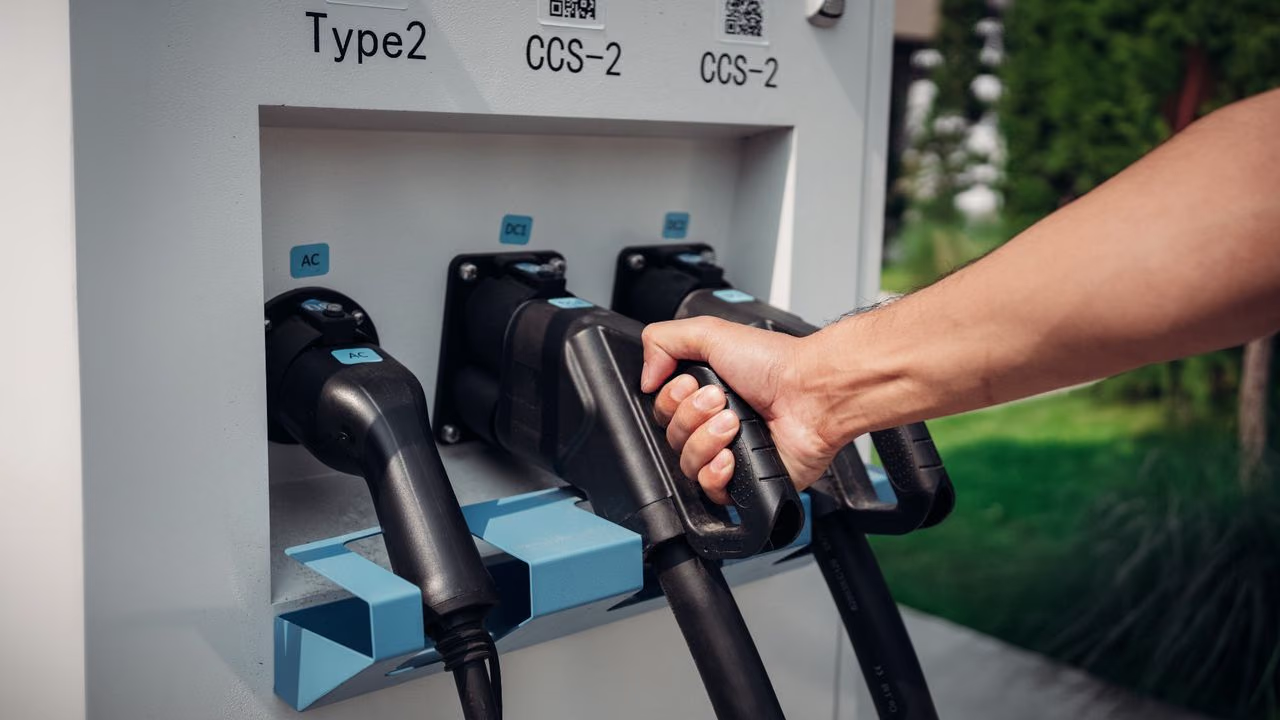
EV Charging Network Management: Optimizing Efficiency and User Experience
In recent years, the adoption of electric vehicles (EVs) has been on the rise, leading to an increased demand for efficient and reliable charging infrastructure. To meet this growing need, EV charging network management has become crucial for ensuring a seamless charging experience for EV owners. This article explores the importance of charging network alerts, billing, and data analytics in optimizing the performance of EV charging networks.
Charging Network Alerts: Keeping EV Owners Informed
One of the key challenges in managing an EV charging network is to keep EV owners informed about the availability of charging stations. Charging network alerts play a vital role in addressing this challenge by notifying users about the status of charging stations in real-time. These alerts can be sent through mobile applications or email notifications, allowing EV owners to plan their charging sessions effectively.
By providing timely information on charging station availability, charging network alerts help reduce the frustration of EV owners who may otherwise face long waiting times or find themselves without a charging option. This proactive approach to communication enhances the overall user experience and encourages the continued use of EVs.
Charging Network Billing: Ensuring Fairness and Transparency
Efficient billing systems are essential for the sustainability of EV charging networks. Charging network billing involves accurately measuring the energy consumed by each EV and calculating the corresponding cost. This process ensures fairness and transparency for both the EV owners and charging network operators.
With the help of advanced metering and payment technologies, charging network billing can be automated, making it convenient for EV owners. By providing detailed billing information, including energy consumption and charging session duration, EV owners can have a clear understanding of their charging expenses. This transparency fosters trust and encourages more individuals to switch to electric vehicles.
Charging Network Data Analytics: Optimizing Performance
Data analytics plays a crucial role in optimizing the performance of EV charging networks. By collecting and analyzing charging network data, operators can gain valuable insights into usage patterns, peak demand periods, and station performance. This information enables operators to make data-driven decisions to improve network efficiency.
For example, data analytics can help identify underutilized charging stations, allowing operators to strategically deploy resources to areas with higher demand. Additionally, analyzing charging patterns can help predict future demand and optimize the placement of charging stations to meet the needs of EV owners.
Furthermore, data analytics can assist in identifying faulty charging stations or components, enabling prompt maintenance and minimizing downtime. This proactive approach ensures that EV owners have access to reliable charging infrastructure, enhancing their overall experience.
Conclusion
In conclusion, effective EV charging network management is crucial for providing a reliable and user-friendly charging experience. Charging network alerts, billing systems, and data analytics are essential components of this management process. By keeping EV owners informed, ensuring fair billing practices, and leveraging data analytics, operators can optimize the performance of charging networks, encouraging the widespread adoption of electric vehicles.



