



Optimizing EV Charging Network Management
EV Charging Network Management: Optimizing Utilization, Expanding Infrastructure, and Integrating Payment Systems As the demand for electric vehicles (EVs)…
By Rooks Hill Editorial2 min read
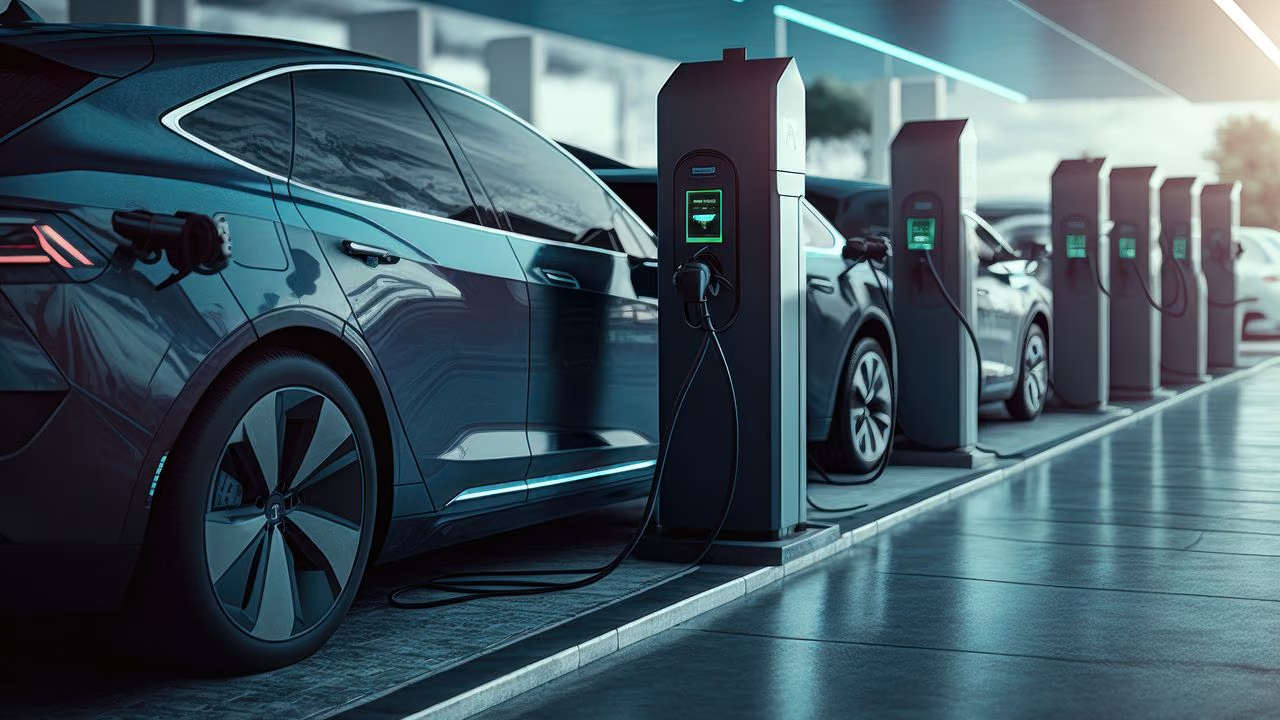
EV Charging Network Management: Optimizing Utilization, Expanding Infrastructure, and Integrating Payment Systems
As the demand for electric vehicles (EVs) continues to grow, the need for a reliable and efficient EV charging network becomes increasingly important. EV charging network management plays a crucial role in ensuring that EV owners have access to convenient charging options, while also maximizing the utilization of charging stations, expanding the infrastructure, and integrating seamless payment systems. In this article, we will explore these key aspects of EV charging network management.
Charging Network Utilization
Efficient utilization of the charging network is essential to meet the increasing demand for EV charging. By analyzing data on charging patterns, peak usage times, and geographical distribution of EVs, charging network operators can optimize the placement and capacity of charging stations. This data-driven approach allows for the identification of high-demand areas and the allocation of resources accordingly.
Moreover, advanced charging network management systems can implement dynamic pricing strategies to incentivize off-peak charging and discourage long-term parking at charging stations. By encouraging EV owners to charge their vehicles during non-peak hours, the charging network can operate more efficiently, reducing waiting times and ensuring a smooth charging experience for all users.
Charging Network Expansion
As the EV market continues to grow, it is crucial to expand the charging network to meet the increasing demand. Charging network operators must constantly assess the need for additional charging stations and strategically plan their deployment. Collaborating with local governments, businesses, and other stakeholders can help identify suitable locations for charging stations, such as shopping centers, office complexes, and residential areas.
Furthermore, charging network expansion should also consider the development of fast-charging infrastructure along highways and major travel routes. This enables long-distance travel for EV owners, eliminating range anxiety and promoting the widespread adoption of electric vehicles.
Charging Network Payment Integration
Seamless payment systems are crucial for a user-friendly charging experience. EV charging network management should focus on integrating various payment options, including RFID cards, mobile apps, and contactless payment methods. By offering multiple payment options, charging network operators can cater to the preferences of different users and ensure a hassle-free payment process.
Furthermore, integrating payment systems with EV charging network management software allows for real-time monitoring of charging sessions, accurate billing, and the ability to offer customized pricing plans. This level of integration enhances transparency, simplifies financial transactions, and enables the implementation of loyalty programs or incentives for frequent users.
Conclusion
In conclusion, effective EV charging network management is essential for optimizing utilization, expanding infrastructure, and integrating payment systems. By leveraging data-driven insights, charging network operators can strategically deploy charging stations, manage peak demand, and ensure a seamless charging experience for EV owners. Additionally, expanding the charging network and integrating various payment options contribute to the widespread adoption of electric vehicles and the transition towards a sustainable future.



