



Optimizing EV Charging Network: Load, Uptime & Connectivity
EV Charging Network Management: Optimizing Load, Uptime, and Connectivity Electric vehicles (EVs) are becoming increasingly popular as a sustainable mode of…
By Rooks Hill Editorial3 min read
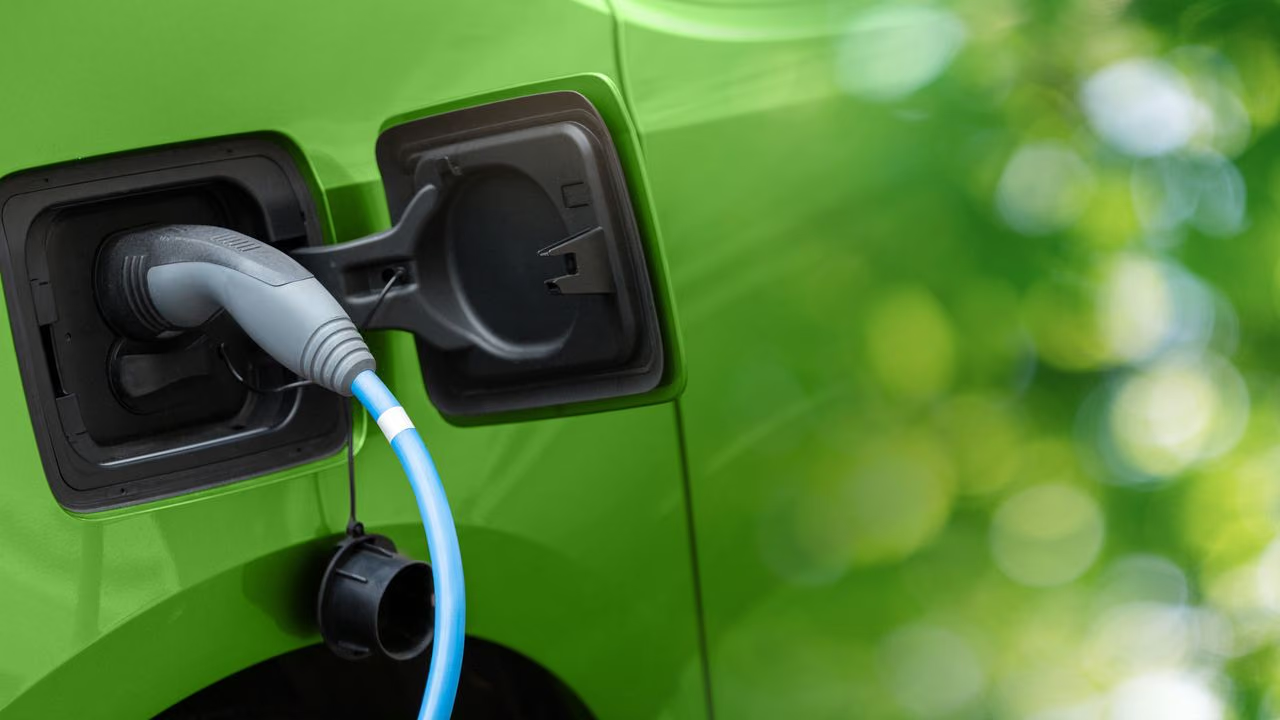
EV Charging Network Management: Optimizing Load, Uptime, and Connectivity
Electric vehicles (EVs) are becoming increasingly popular as a sustainable mode of transportation. With the rise in EV adoption, the need for an efficient and reliable EV charging network has become crucial. EV charging network management plays a vital role in ensuring the smooth operation of charging stations, optimizing load management, maintaining uptime, and ensuring seamless connectivity for EV owners.
Charging Network Load Management
One of the key challenges in managing an EV charging network is load management. As the number of EVs on the road continues to grow, the demand for charging stations increases. Load management involves distributing the available power among the charging stations to avoid overloading the electrical grid.
Smart charging solutions enable charging network operators to implement load management strategies effectively. By leveraging real-time data and advanced algorithms, charging stations can be intelligently controlled to balance the load. This ensures that the available power is efficiently allocated, preventing grid congestion and minimizing the impact on the electricity supply.
Charging Network Uptime
Uptime is a critical factor in EV charging network management. Charging stations need to be operational and available to EV owners whenever they need to charge their vehicles. Downtime can lead to frustrated customers and hinder the growth of the EV market.
To ensure high uptime, charging network operators must implement proactive maintenance and monitoring systems. Regular inspections and preventive maintenance help identify potential issues before they cause any disruption. Additionally, real-time monitoring systems can detect faults or malfunctions in charging stations, allowing for immediate troubleshooting and minimizing downtime.
Furthermore, charging network operators can implement redundancy measures by installing backup power systems or multiple charging stations at a single location. This redundancy ensures that even if one charging station fails, there are alternative options available for EV owners to charge their vehicles.
Charging Network Connectivity
Seamless connectivity is essential for an efficient EV charging network. EV owners rely on mobile apps or RFID cards to locate and access charging stations. Therefore, a robust and reliable communication network is necessary to facilitate the connection between EVs, charging stations, and the central management system.
Charging network operators need to ensure that their charging stations are equipped with reliable communication modules that support various connectivity options such as Wi-Fi, cellular networks, or Ethernet. This allows EV owners to easily locate and access charging stations, while also enabling charging network operators to remotely monitor and manage the stations.
Moreover, charging network operators can leverage data analytics to gain insights into charging patterns, usage trends, and station performance. This data can be used to optimize the charging network, identify areas of improvement, and plan for future expansion.
Conclusion
In conclusion, effective EV charging network management is crucial for optimizing load management, ensuring high uptime, and providing seamless connectivity. By implementing smart load management strategies, proactive maintenance measures, and robust connectivity solutions, charging network operators can meet the growing demand for EV charging infrastructure and provide a seamless charging experience for EV owners.



