



Optimizing EV Charging Infrastructure Monitoring
EV Charging Infrastructure Monitoring: Enhancing Efficiency and Reliability The rise in popularity of electric vehicles (EVs) has led to an increased demand…
By Rooks Hill Editorial2 min read
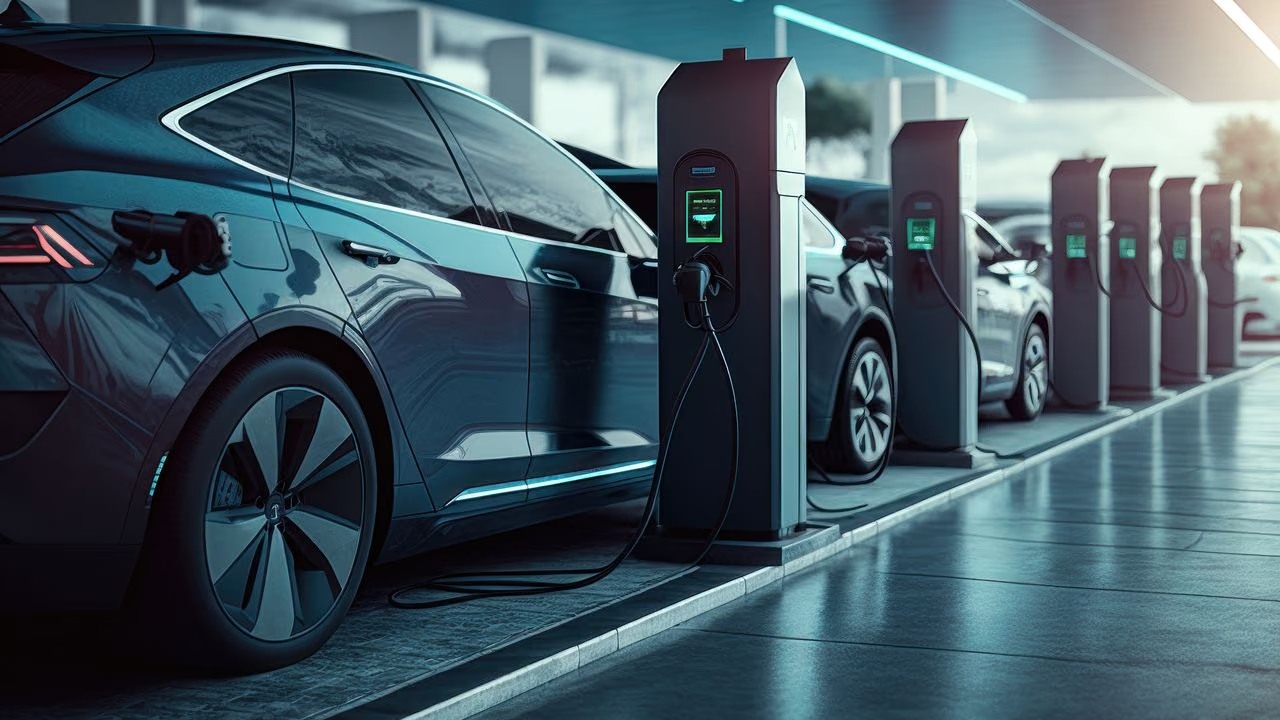
EV Charging Infrastructure Monitoring: Enhancing Efficiency and Reliability
The rise in popularity of electric vehicles (EVs) has led to an increased demand for a robust and efficient EV charging infrastructure. To ensure the smooth operation of this infrastructure, monitoring and management systems play a crucial role. This article explores the concept of EV charging infrastructure monitoring and highlights the importance of remote monitoring, fault detection, and load management in optimizing the charging process.
Remote Monitoring: Real-time Insights for Efficient Operations
Remote monitoring of EV charging infrastructure involves the use of advanced technologies and software systems to collect and analyze data from charging stations. This enables operators to have real-time insights into the performance and status of each charging point, regardless of their physical location.
By implementing remote monitoring systems, operators can proactively identify any issues or faults in the charging infrastructure. This allows for immediate action to be taken, minimizing downtime and ensuring a smooth charging experience for EV owners. Additionally, remote monitoring enables operators to optimize the utilization of charging stations by identifying usage patterns and adjusting resources accordingly.
Fault Detection: Ensuring Reliable Charging Services
Fault detection is a critical aspect of EV charging infrastructure monitoring. By continuously monitoring the charging stations, operators can quickly identify and diagnose any faults or malfunctions. This includes issues such as faulty connectors, power supply problems, or communication errors.
Timely fault detection helps prevent potential safety hazards and ensures the reliability of the charging services. It allows operators to promptly dispatch maintenance teams to resolve the issues, minimizing the impact on EV owners and reducing the overall maintenance costs.
Load Management: Balancing Demand and Supply
As the number of EVs on the road continues to grow, load management becomes increasingly important. EV charging infrastructure monitoring systems can help operators balance the demand and supply of electricity by intelligently managing the charging process.
By analyzing the charging patterns and available power capacity, operators can implement load management strategies such as load shedding or load shifting. Load shedding involves temporarily reducing the charging power to avoid overloading the grid during peak demand periods. Load shifting, on the other hand, involves scheduling charging sessions to off-peak hours, when the electricity demand is lower.
These load management techniques not only ensure the stability of the grid but also optimize the utilization of available resources. They help prevent power outages and reduce the strain on the electricity infrastructure, ultimately leading to a more sustainable and efficient charging ecosystem.
Conclusion
EV charging infrastructure monitoring, including remote monitoring, fault detection, and load management, plays a vital role in enhancing the efficiency and reliability of the charging process. By leveraging advanced technologies and real-time data analysis, operators can ensure the smooth operation of charging stations, minimize downtime, and optimize resource utilization. As the adoption of EVs continues to rise, investing in robust monitoring systems becomes crucial to meet the growing demand and provide a seamless charging experience for EV owners.



