



Optimizing EV Charging Infrastructure Monitoring
EV Charging Infrastructure Monitoring: Ensuring Scalability, Power Usage, and Status The adoption of electric vehicles (EVs) is on the rise, and with it comes…
By Rooks Hill Editorial3 min read
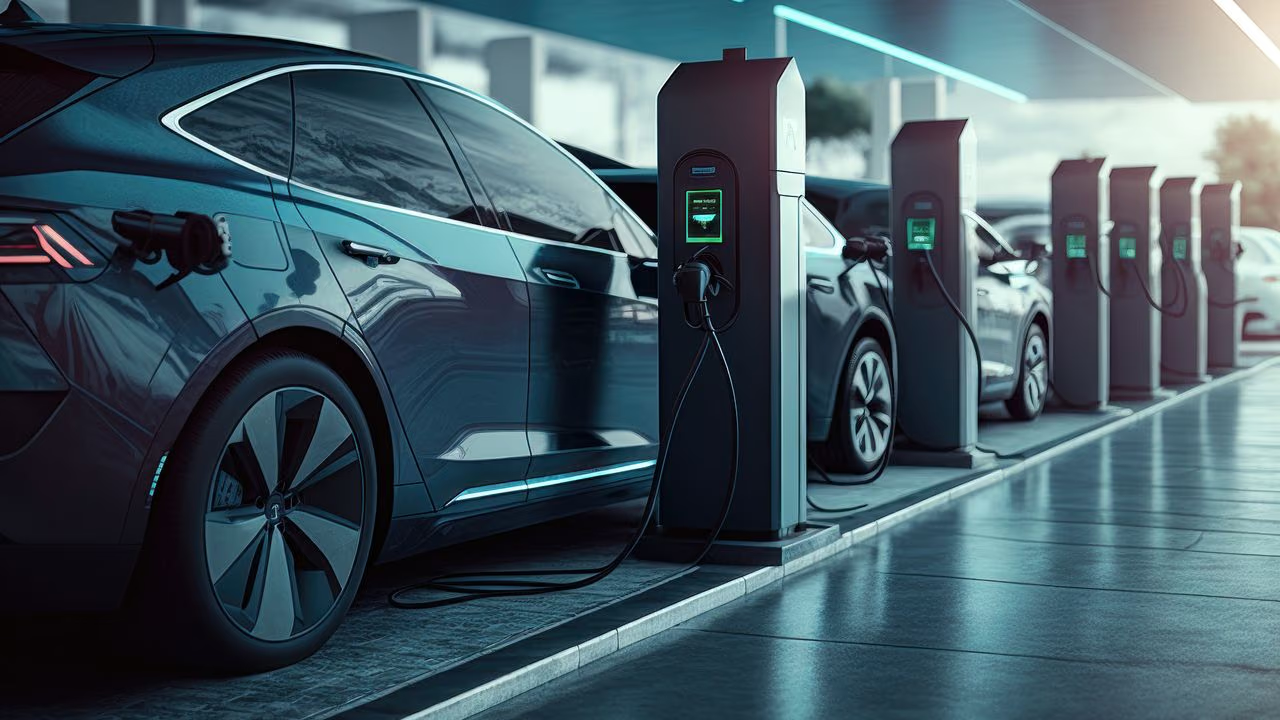
EV Charging Infrastructure Monitoring: Ensuring Scalability, Power Usage, and Status
The adoption of electric vehicles (EVs) is on the rise, and with it comes the need for a robust and efficient EV charging infrastructure. As more EVs hit the roads, it becomes crucial to monitor the charging infrastructure to ensure its scalability, power usage, and status. In this article, we will explore the importance of monitoring EV charging infrastructure and how it can be achieved.
Scalability of Charging Infrastructure
One of the key challenges in the widespread adoption of EVs is the scalability of the charging infrastructure. As the number of EVs on the road increases, it becomes essential to have a charging infrastructure that can accommodate the growing demand. Monitoring the charging infrastructure allows operators to identify areas of high demand and plan for expansion accordingly.
By monitoring the usage patterns and charging sessions, operators can analyze the peak charging hours and identify the need for additional charging stations in specific locations. This data-driven approach ensures that the charging infrastructure keeps up with the increasing number of EVs, providing a seamless charging experience for EV owners.
Power Usage Optimization
Monitoring the power usage of the charging infrastructure is crucial for optimizing energy consumption and reducing costs. By analyzing the power usage data, operators can identify inefficiencies in the charging process and take corrective measures.
For example, if certain charging stations consistently consume more power than others, it may indicate a malfunction or a need for maintenance. By promptly addressing such issues, operators can ensure that the charging infrastructure operates at its full potential, minimizing energy wastage and maximizing efficiency.
Furthermore, monitoring power usage allows operators to implement dynamic pricing strategies. By offering lower rates during off-peak hours, operators can incentivize EV owners to charge their vehicles when the demand is low, balancing the load on the grid and reducing the strain during peak hours.
Status Monitoring for Enhanced Reliability
Monitoring the status of the charging infrastructure is essential for ensuring its reliability and availability. By continuously monitoring the charging stations, operators can detect any faults or malfunctions in real-time and take immediate action to rectify them.
For instance, if a charging station goes offline or experiences a technical glitch, operators can receive instant alerts and dispatch maintenance personnel to resolve the issue promptly. This proactive approach minimizes downtime and ensures that EV owners have access to reliable charging facilities when needed.
Additionally, status monitoring enables operators to gather valuable data on the usage patterns and user preferences. This information can be used to optimize the placement of charging stations, improve user experience, and plan for future infrastructure expansion.
Conclusion
Monitoring EV charging infrastructure is crucial for ensuring its scalability, optimizing power usage, and enhancing reliability. By analyzing data on charging sessions, power usage, and status, operators can make informed decisions to meet the growing demand for EV charging. As the world transitions towards a sustainable future, monitoring and optimizing the charging infrastructure will play a pivotal role in facilitating the widespread adoption of electric vehicles.



