



Maximizing Revenue and Efficiency in EV Charging Network Management
EV Charging Network Management: Maximizing Revenue and Efficiency The growing popularity of electric vehicles (EVs) has led to an increase in demand for EV…
By Rooks Hill Editorial2 min read
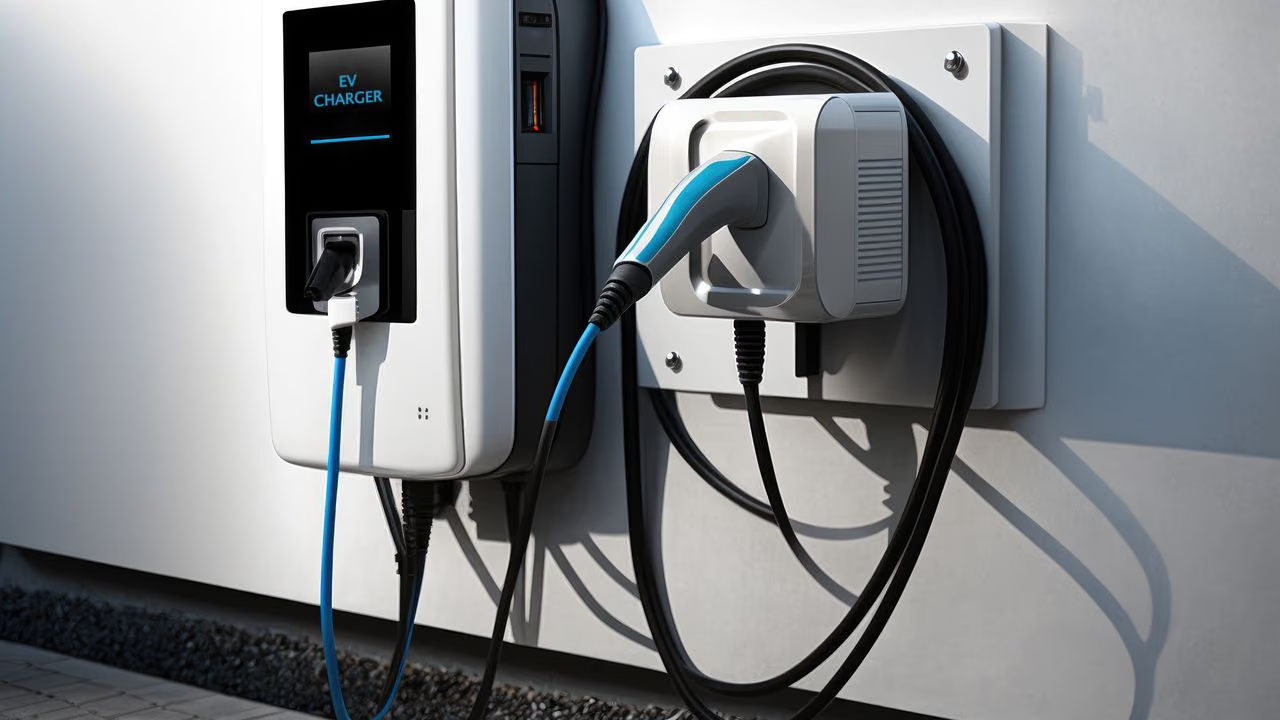
EV Charging Network Management: Maximizing Revenue and Efficiency
The growing popularity of electric vehicles (EVs) has led to an increase in demand for EV charging stations. As a result, businesses and municipalities are investing in charging network infrastructure to accommodate this demand. However, managing an EV charging network can be complex and requires a strategic approach to maximize revenue and efficiency.
Charging Network Revenue Management
One of the key challenges in managing an EV charging network is revenue management. Charging station operators need to balance the need to generate revenue with the need to provide affordable charging options for EV owners. One effective strategy is to implement dynamic pricing, which adjusts the price of charging based on factors such as time of day, location, and demand. This allows operators to maximize revenue during peak demand periods while still offering affordable charging options during off-peak hours.
Another revenue management strategy is to offer subscription plans for frequent users. This not only provides a predictable revenue stream but also encourages customer loyalty and repeat business. Additionally, offering special promotions and discounts can attract new customers and increase overall revenue.
Charging Network Maintenance
Maintaining an EV charging network is essential to ensure that stations are operating efficiently and effectively. Regular maintenance can prevent downtime and reduce repair costs. Operators should establish a maintenance schedule that includes routine inspections, cleaning, and repairs as needed.
To streamline maintenance, charging station operators can use remote monitoring and management tools. These tools provide real-time data on station performance, allowing operators to quickly identify and address any issues. Additionally, charging network alerts can notify operators of any issues or malfunctions, allowing for prompt action to be taken.
Charging Network Alerts
Charging network alerts are notifications that inform operators of any issues or malfunctions within the network. These alerts can be sent via email, text message, or through a remote monitoring system. By receiving alerts in real-time, operators can quickly identify and address any issues, reducing downtime and minimizing the impact on customers.
To ensure that charging network alerts are effective, operators should establish clear communication channels and protocols for responding to alerts. This includes designating a point person or team responsible for monitoring alerts and responding to issues promptly.
In conclusion, managing an EV charging network requires a strategic approach to maximize revenue and efficiency. Revenue management strategies such as dynamic pricing and subscription plans can help operators generate revenue while providing affordable charging options for customers. Regular maintenance and the use of remote monitoring and management tools can prevent downtime and reduce repair costs. Finally, charging network alerts can notify operators of any issues or malfunctions, allowing for prompt action to be taken. By implementing these strategies, charging station operators can effectively manage their networks and meet the growing demand for EV charging.



