



Government Incentives for Electric Vehicles: Powering the Future
Government Incentives and Subsidies for Electric Vehicles: Powering the Future Electric vehicles (EVs) have gained significant traction in recent years as a…
By Rooks Hill Editorial2 min read
Government Incentives and Subsidies for Electric Vehicles: Powering the Future
Electric vehicles (EVs) have gained significant traction in recent years as a sustainable and eco-friendly mode of transportation. As the world grapples with the challenges of climate change and pollution, governments around the globe are stepping up to support the adoption of EVs through various incentives and subsidies. These measures aim to not only encourage individuals to switch to electric vehicles but also to address critical concerns such as charging infrastructure support, financial incentives, and rebates.
Charging Infrastructure Support: Fuelling the EV Revolution
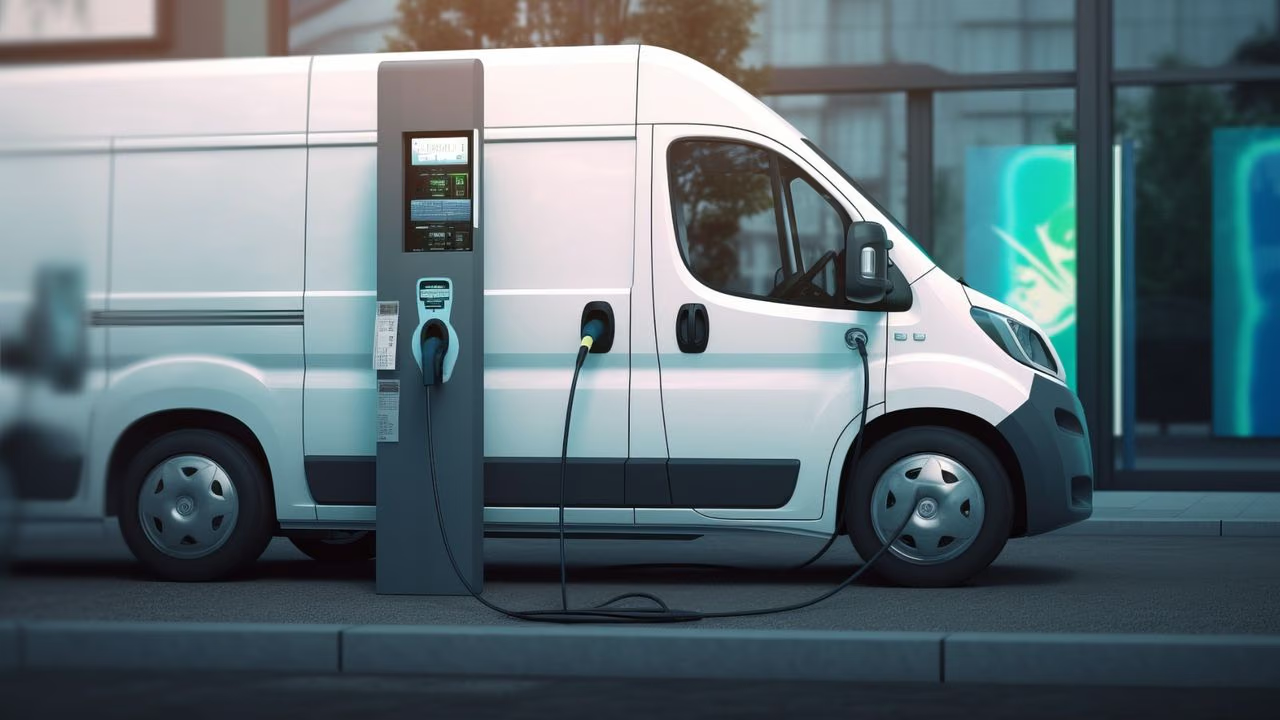
A robust charging infrastructure is vital for the widespread adoption of electric vehicles. Governments recognize this need and are actively investing in the development of charging networks. By providing support for charging infrastructure, governments aim to alleviate range anxiety and make EVs a viable option for all.
Through public-private partnerships, governments are working to establish charging stations in strategic locations such as highways, parking lots, and residential areas. This ensures that EV owners have convenient access to charging facilities, making long-distance travel and daily commutes hassle-free.
Financial Incentives: Driving EV Adoption
One of the most effective ways to encourage individuals to switch to electric vehicles is by offering financial incentives. Governments worldwide are implementing a range of measures to make EVs more affordable and attractive to consumers.
One common incentive is the provision of tax credits or rebates for purchasing an electric vehicle. These incentives can significantly reduce the upfront cost of an EV, making it more accessible to a broader range of consumers. Additionally, some governments offer lower registration fees or exemptions for EV owners, further reducing the overall cost of owning an electric vehicle.
Furthermore, governments are also exploring innovative financing options such as low-interest loans or lease programs specifically tailored for electric vehicles. These initiatives make it easier for individuals to transition to EVs without straining their finances.
Rebates: Rewarding Sustainable Choices
Rebates are another powerful tool in the government’s arsenal to promote electric vehicle adoption. These incentives provide a direct financial benefit to consumers who choose to go electric. Governments offer rebates on the purchase or lease of an electric vehicle, effectively lowering the cost of ownership.
Some regions even provide additional rebates for low-income households, ensuring that the benefits of EV adoption are accessible to all segments of society. These rebates not only incentivize the purchase of electric vehicles but also contribute to reducing greenhouse gas emissions and improving air quality.
In Conclusion
Government incentives and subsidies play a crucial role in accelerating the transition to electric vehicles. By providing charging infrastructure support, financial incentives, and rebates, governments are making electric vehicles more accessible, affordable, and attractive to consumers.
As the world strives to combat climate change and reduce dependence on fossil fuels, the adoption of electric vehicles is a significant step in the right direction. With the continued support of governments, we can power the future with sustainable transportation and pave the way for a cleaner, greener world.



