



Government Incentives for Electric Vehicles: Driving Sustainable Transportation
Government incentives and subsidies for electric vehicles In recent years, there has been a growing global concern about the environmental impact of…
By Rooks Hill Editorial3 min read
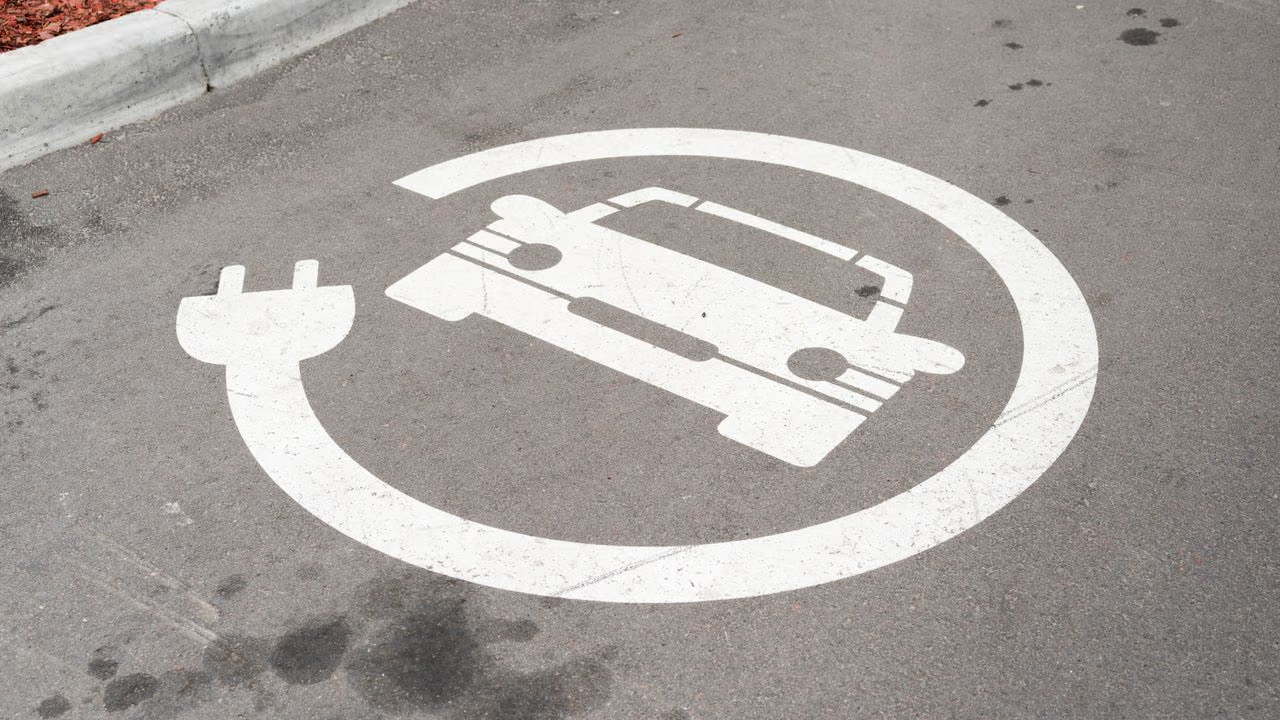
Government incentives and subsidies for electric vehicles
In recent years, there has been a growing global concern about the environmental impact of traditional gasoline-powered vehicles. As a result, many governments around the world have implemented incentive programs and subsidies to promote the adoption of electric vehicles (EVs). These initiatives aim to accelerate the transition towards a cleaner and more sustainable transportation system.
Incentive programs
One of the most common types of government support for EVs is the implementation of incentive programs. These programs provide financial benefits to individuals or businesses that purchase or lease electric vehicles. The incentives can take various forms, such as tax credits, rebates, grants, or low-interest loans.
For example, in the United States, the federal government offers a tax credit of up to $7,500 for the purchase of a new electric vehicle. Some states also provide additional incentives on top of the federal credit, such as rebates or exemptions from sales tax and vehicle registration fees.
In Europe, several countries have implemented similar incentive programs. Norway, for instance, has one of the most generous schemes, offering tax exemptions, reduced tolls, and free parking for electric vehicles. Other European countries, including France, Germany, and the Netherlands, also provide financial incentives to encourage EV adoption.
Zero-emission vehicle mandates
Another approach taken by some governments is the implementation of zero-emission vehicle (ZEV) mandates. These mandates require automakers to produce and sell a certain percentage of zero-emission vehicles, such as electric or hydrogen-powered cars, in their fleet.
California, for example, has set a ZEV mandate that requires automakers to make a certain percentage of their vehicle sales in the state zero-emission vehicles. This policy has been instrumental in driving the adoption of electric vehicles in California, making it one of the leading markets for EVs in the United States.
Other countries, such as China and the United Kingdom, have also implemented ZEV mandates to encourage automakers to invest in electric vehicle technology and increase the availability of zero-emission vehicles in their respective markets.
Environmental policies
Government incentives and subsidies for electric vehicles are often part of broader environmental policies aimed at reducing greenhouse gas emissions and improving air quality. By promoting the adoption of electric vehicles, governments can contribute to the reduction of carbon dioxide emissions and other pollutants associated with transportation.
In addition to financial incentives, governments may also implement policies to support the development of charging infrastructure for electric vehicles. This includes the installation of public charging stations and the integration of charging infrastructure into building codes and regulations.
Furthermore, some governments offer incentives to businesses and municipalities to electrify their fleets. This can include grants or subsidies for the purchase of electric vehicles or the installation of charging infrastructure.
Conclusion
Government incentives and subsidies play a crucial role in accelerating the adoption of electric vehicles. By providing financial benefits and implementing supportive policies, governments can encourage individuals, businesses, and automakers to embrace electric vehicle technology. These initiatives not only contribute to reducing greenhouse gas emissions but also promote the development of a more sustainable transportation system for the future.



