



Government Incentives for Electric Vehicles: Controversial Approach
Government incentives and subsidies for electric vehicles: A controversial approach The global push towards sustainability and reducing carbon emissions has…
By Rooks Hill Editorial3 min read
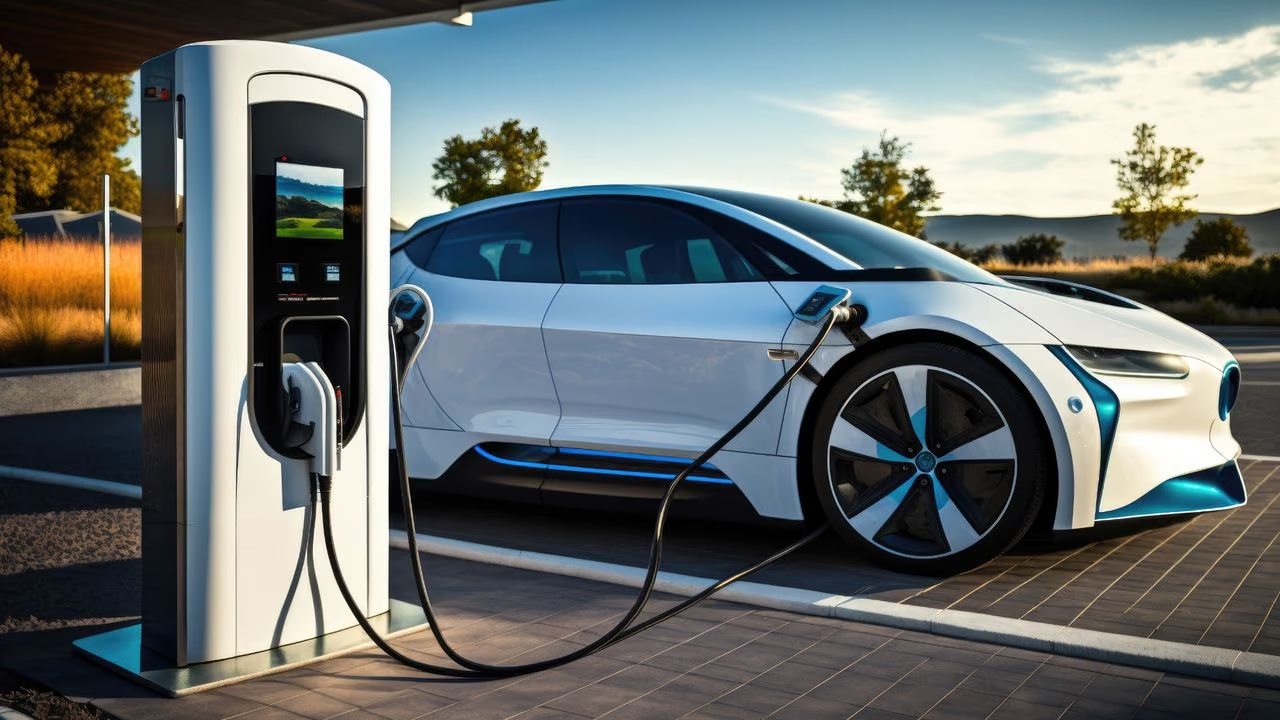
Government incentives and subsidies for electric vehicles: A controversial approach
The global push towards sustainability and reducing carbon emissions has led governments around the world to implement various measures to promote the adoption of electric vehicles (EVs). One of the most common strategies employed is the provision of incentives and subsidies for EV purchases, as well as the establishment of subsidized charging stations. While these initiatives aim to accelerate the transition to cleaner transportation, they have sparked a heated debate regarding their effectiveness and fairness.
Incentive eligibility: A matter of debate
One of the main points of contention surrounding government incentives for EVs is the question of eligibility. Critics argue that these incentives primarily benefit affluent individuals who can afford to purchase electric vehicles in the first place. They claim that the subsidies effectively subsidize the wealthy, rather than targeting those who need financial assistance to switch to cleaner transportation options.
Proponents of the incentives, on the other hand, argue that they are necessary to kickstart the market for EVs. By providing financial support to early adopters, governments can create a demand for electric vehicles, which in turn leads to economies of scale and ultimately reduces the cost of EVs for everyone. They believe that while the initial beneficiaries may be wealthier individuals, the long-term goal is to make EVs more accessible to all segments of society.
Zero-emission vehicle mandates: Driving change or burdening manufacturers?
Some governments have gone beyond providing incentives and have implemented zero-emission vehicle (ZEV) mandates, requiring automakers to produce a certain percentage of electric or zero-emission vehicles. While these mandates aim to accelerate the transition to cleaner transportation, they have faced criticism from automobile manufacturers.
Opponents argue that ZEV mandates place an unfair burden on manufacturers, especially smaller companies with limited resources. They claim that these mandates force manufacturers to divert significant investments towards electric vehicle production, potentially compromising the development of other technologies or models that may better suit consumer preferences.
Proponents of ZEV mandates counter that they provide a necessary push for automakers to invest in electric vehicle technology. They argue that without such mandates, manufacturers may be less inclined to prioritize the development and production of electric vehicles, hindering progress towards a sustainable future.
Subsidized charging stations: Addressing range anxiety or misplaced investment?
Another aspect of government support for EVs is the establishment of subsidized charging stations. These stations aim to address the issue of range anxiety, the fear of running out of battery power while driving an electric vehicle.
Critics argue that the investment in charging infrastructure is premature and wasteful. They claim that the current adoption rate of electric vehicles does not justify the significant investment required to build and maintain a widespread charging network. Instead, they suggest that governments should focus on other sustainable transportation options, such as public transit or cycling infrastructure.
Supporters of subsidized charging stations contend that they are essential for the widespread adoption of electric vehicles. They argue that a robust charging infrastructure is necessary to alleviate range anxiety and provide consumers with the confidence to switch to electric vehicles. They believe that the investment in charging stations will pay off in the long run as the demand for electric vehicles continues to grow.
Conclusion
In conclusion, government incentives and subsidies for electric vehicles, along with the establishment of subsidized charging stations, are controversial approaches to promote the adoption of cleaner transportation. While critics raise concerns about eligibility, burden on manufacturers, and misplaced investment, proponents argue that these measures are necessary to drive the transition towards a sustainable future. The ongoing debate surrounding these initiatives highlights the complexities and challenges associated with promoting electric vehicles on a global scale.



