Five Innovations Changing City EV Stations
The rise of electric vehicles (EVs) is reshaping cities worldwide. Urban infrastructure must evolve quickly to keep up with the growing need for efficient…
By Rooks Hill Editorial4 min read
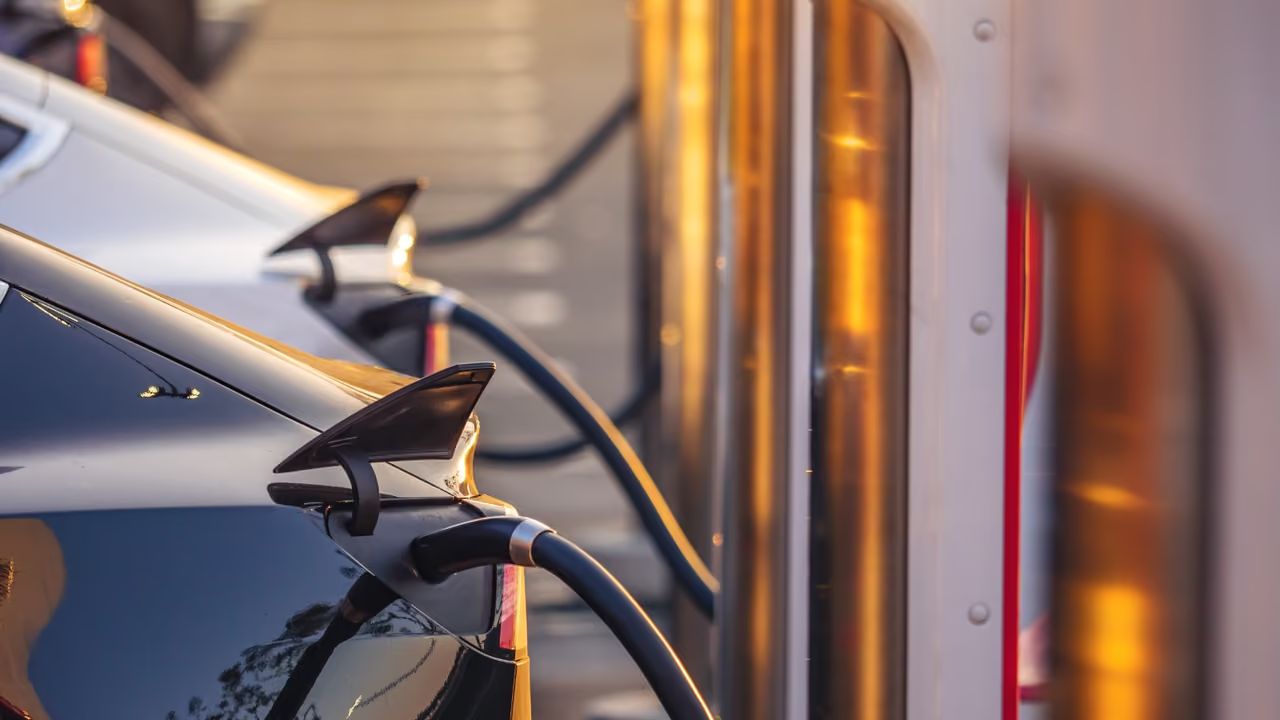
The rise of electric vehicles (EVs) is reshaping cities worldwide. Urban infrastructure must evolve quickly to keep up with the growing need for efficient charging solutions. As more drivers switch to EVs, city planners and utility providers face mounting pressure to build charging networks that are accessible, fast, reliable, and sustainable.
Current Challenges in Urban EV Charging Infrastructure
Urban areas have unique problems when it comes to EV charging. Space is tight, and traditional gas station models don’t fit EV needs well. Many city residents park on the street, making it hard to install private home chargers. This leaves public charging stations as the main option, but they are often few and far between.
Charging speed is another hurdle. Many EVs can fast charge, but the infrastructure to deliver high power is costly and requires major upgrades to electrical grids. Without these upgrades, stations can become bottlenecks, causing long wait times and frustrating users.
Interoperability also causes headaches. Different EV brands and charging networks often need separate apps or memberships. This confuses drivers and slows down adoption.
For example, a driver might have to download three different apps to use chargers in their city. This patchwork system discourages people from relying on public chargers, especially visitors or those new to EVs.
Innovations Transforming City EV Charging Stations
To tackle these issues, cities are trying new ideas about where and how charging happens. One popular approach is adding charging points to existing urban fixtures like streetlights, parking meters, and bus stops. This uses current infrastructure, cuts down on new construction, and saves space.
For instance, a city might retrofit streetlights with small chargers. This lets residents charge their cars right where they park without needing a dedicated station. It’s a clever way to spread chargers across neighborhoods without eating up valuable land.
Pop-up and mobile charging stations are also on the rise. These temporary setups can be quickly deployed during events or in neighborhoods with sudden demand spikes. They offer flexibility that fixed stations lack and can be moved as needs change.
Another innovation is multifunctional charging hubs. These combine fast chargers with cafes, shops, or co-working spaces. Drivers can grab a coffee or get some work done while their car charges, turning wait time into productive or enjoyable downtime.
The Role of Smart Technology in Optimizing Charging Networks
Smart technology is changing the game for urban EV charging. Connected chargers talk to vehicles and the grid in real time. This allows dynamic load management, which prevents overloads and balances demand across the network.
Mobile apps and cloud platforms give drivers live updates on charger availability, let them book spots, and handle payments. This makes charging simpler and less stressful. It also helps operators gather data to improve where stations go and when they need maintenance.
Vehicle-to-grid (V2G) technology pushes things further. It lets EVs send energy back to the grid during peak demand. This two-way flow can stabilize city power systems and create extra income for EV owners.
For example, during a hot summer afternoon when air conditioners strain the grid, EVs plugged in at home could feed stored energy back to the system. This eases the load and helps prevent blackouts.
Future Trends in Urban EV Charging and Sustainability
- Wireless Charging – Inductive charging pads built into roads and parking spots promise cable-free charging. This is especially useful in dense cities where plugging in can be a hassle.
- Renewable Integration – Pairing charging stations with solar panels or wind turbines cuts fossil fuel use and lowers running costs. Some stations already use rooftop solar to power chargers during the day.
- Energy Storage – Adding batteries at charging sites can store extra renewable energy and release it during busy hours. This smooths out demand and reduces stress on the grid.
- Equitable Access – Future plans focus on spreading charging points fairly to serve underserved communities. This helps reduce disparities and makes EV ownership possible for more people.
- Autonomous Vehicle Charging – As self-driving EVs become common, infrastructure will adapt for automated parking and charging without human help. Cars could find chargers and plug in themselves.
Some cities are already testing wireless charging in public parking lots. Drivers just park over a pad, and charging starts automatically. This could remove one of the biggest hassles of EV ownership—dealing with cables.
Meanwhile, renewable energy integration is gaining ground. In San Diego, for example, several public chargers run partly on solar power, reducing their carbon footprint and electricity costs. Combining this with local battery storage means chargers can keep running even when the sun isn’t shining.
Equity is becoming a bigger concern too. In many places, wealthier neighborhoods have more chargers, while low-income areas lag behind. Cities like Chicago and London are launching programs to install more chargers in underserved zones, aiming to make EVs accessible to all.
The rise of autonomous EVs will also reshape charging. Imagine fleets of self-driving taxis that park themselves at charging hubs overnight, ready for the next day. This could reduce the need for on-street chargers and optimize energy use.