



Fast Charging vs Slow Charging for Electric Vehicles: Pros and Cons
Fast Charging vs. Slow Charging for Electric Vehicles As more and more people make the switch to electric vehicles (EVs), one of the key considerations is how…
By Rooks Hill Editorial3 min read
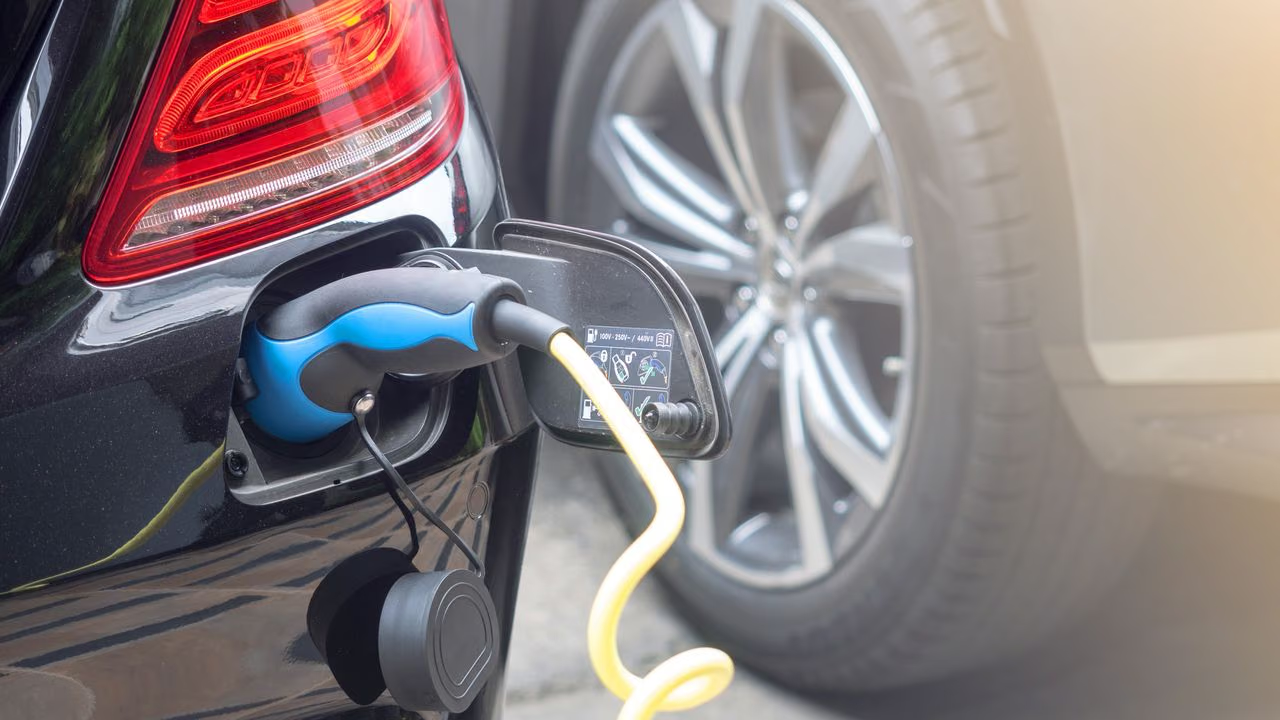
Fast Charging vs. Slow Charging for Electric Vehicles
As more and more people make the switch to electric vehicles (EVs), one of the key considerations is how to charge them. Two common options are fast charging and slow charging. In this article, we will explore the differences between these two methods and discuss their advantages and disadvantages.
Home Charging: Slow and Convenient
One of the main benefits of owning an electric vehicle is the ability to charge it at home. Slow charging, also known as Level 1 charging, involves using a standard household outlet to charge your EV. This method typically provides a charging speed of around 3-5 miles of range per hour.
Slow charging is convenient because you can simply plug in your vehicle overnight and wake up to a fully charged battery in the morning. It requires no additional installation or expensive equipment, making it accessible to most EV owners. This method is especially suitable for those who have a predictable daily driving routine and don’t need to charge their vehicle quickly.
Range Anxiety: A Concern for Some
One of the main concerns for EV owners is range anxiety, the fear of running out of battery power before reaching their destination. Slow charging can exacerbate this anxiety, as it takes longer to charge the vehicle compared to fast charging. However, for those who primarily use their EV for daily commuting or short trips, slow charging at home may be sufficient to meet their needs.
Fast Charging: Quick and Convenient
Fast charging, also known as Level 2 or DC fast charging, is a faster method of charging an electric vehicle. It requires the installation of a dedicated charging station, which can provide a charging speed of around 25-30 miles of range per hour.
Fast charging is ideal for those who frequently take long trips or have a busy lifestyle that requires quick charging. Public charging stations, such as those found at shopping centers or along highways, often offer fast charging options. With fast charging, EV owners can quickly top up their battery while on the go, reducing range anxiety and allowing for more flexibility in travel plans.
Charging Speed: A Trade-Off
While fast charging offers the convenience of quick charging, it comes with a trade-off. Fast charging stations are not as widely available as slow charging options, and they often come with a cost. Some charging stations may require a membership or have a per-use fee, which can add up over time.
Additionally, fast charging puts more strain on the battery and may reduce its overall lifespan. This is why many EV manufacturers recommend using fast charging sparingly and primarily relying on slow charging for daily charging needs.
Conclusion
When it comes to charging an electric vehicle, both fast charging and slow charging have their pros and cons. Slow charging at home is convenient and accessible, making it suitable for daily charging needs. On the other hand, fast charging offers quick charging on the go, reducing range anxiety and providing more flexibility for long trips.
Ultimately, the choice between fast charging and slow charging depends on your individual needs and driving habits. Some EV owners may opt for a combination of both methods to ensure they have the best of both worlds. Regardless of the chosen method, the growing availability of charging infrastructure is making electric vehicles a more viable and convenient option for many drivers.



